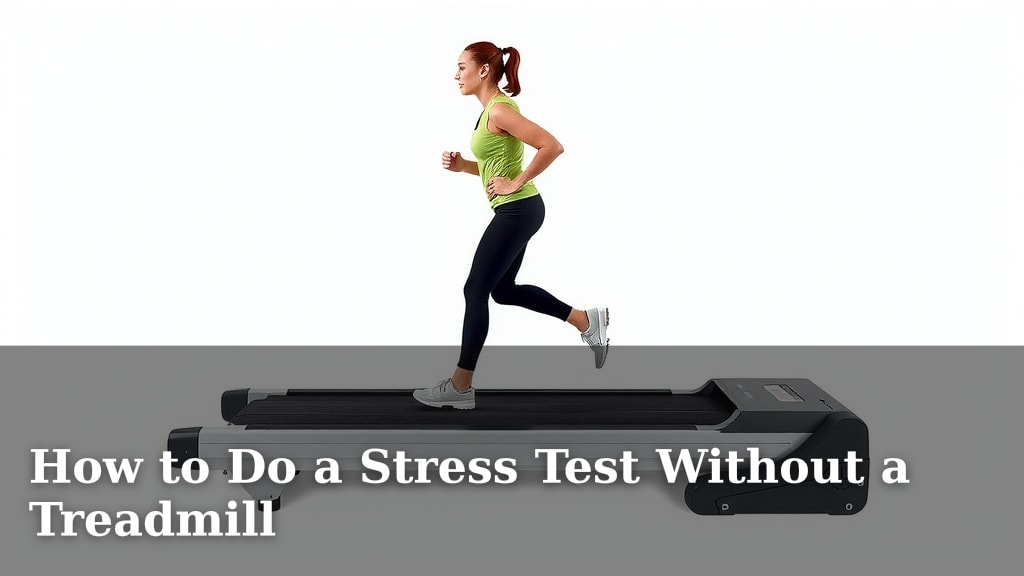
How to Do a Stress Test Without a Treadmill
Yes, you can absolutely do a stress test without a treadmill! Many exercises mimic the effects of treadmill stress tests. You can use activities like marching in place, climbing stairs, or cycling. These help your doctor monitor your heart’s response to exertion.
Understanding your heart health is important. A treadmill stress test measures how well your heart pumps blood when you’re active. But don’t worry if a treadmill isn’t available. There are smart, accessible ways to get this vital information. We’ll show you how.
TL;DR:
- Treadmill-free stress tests are possible.
- Marching in place and stair climbing work well.
- Cycling is another effective option.
- These help monitor your heart’s performance.
- Consult your doctor for the best approach.
Ready to learn how to perform a stress test at home or in a clinic without a treadmill? Let’s walk through some simple yet effective alternatives step by step.
“`htmlYour Heart Health Without a Treadmill: Smart Alternatives
You’re looking for ways to understand your heart’s performance under stress, but a treadmill isn’t an option. That’s perfectly understandable! Many exercises can effectively simulate a stress test. Your doctor can use these methods to monitor your heart. They help see how your heart responds to increased demand. We’ll guide you through some simple, accessible options.
The goal is to get your heart rate up. This allows healthcare professionals to observe your heart’s electrical activity and blood flow. They look for any signs of strain or irregular patterns. Doing this safely is key. And thankfully, you have choices beyond the treadmill.
Understanding the Purpose of a Stress Test
Before we dive into alternatives, let’s quickly recap why a stress test is done. It’s essentially a **diagnostic tool**. It helps doctors evaluate your heart’s health when it’s working harder. This is often when problems are most apparent. During the test, your heart is monitored using an electrocardiogram (ECG or EKG).
The ECG tracks your heart’s electrical signals. It can reveal issues like reduced blood flow to the heart muscle. It also helps assess your fitness level. Your doctor will also keep an eye on your blood pressure and heart rate. They’ll ask about any symptoms you feel, like chest pain or shortness of breath.
What Doctors Look For During the Test
Your healthcare provider is looking for specific indicators. They want to see how your heart rhythm changes with exertion. They also check for **changes in your ECG tracing**. These can signal that your heart muscle isn’t getting enough oxygen-rich blood.
Additionally, they note your heart rate recovery. This is how quickly your heart rate returns to normal after exercise. A slower recovery can sometimes point to heart issues. Your doctor will also discuss any symptoms you report. These could include dizziness, palpitations, or fatigue.
Alternative Stress Test Methods You Can Use
Now, let’s get to the good stuff! What exercises can you do instead of walking on a treadmill? The most common and effective alternatives involve controlled, repetitive movements. These help increase your heart rate safely and steadily.
1. The Stair-Climbing Test
Climbing stairs is a fantastic way to get your heart pumping. It’s a **weight-bearing exercise** that engages large muscle groups. This naturally elevates your heart rate and oxygen consumption.
How it Works
Your doctor might ask you to climb a set of stairs. They will likely time you. You might be asked to ascend and descend the stairs for a specific duration. This can be repeated with variations, like climbing faster or going up more stairs. The aim is to gradually increase the intensity.
What to Expect
You’ll have electrodes attached to your chest. These connect to the ECG machine. A blood pressure cuff will monitor your pressure. You might feel your heart beating faster. You may also feel a bit breathless, which is normal. Your doctor will tell you when to stop. They’ll continue monitoring you as you recover.
2. The Stationary Bicycle Test
Using a stationary bicycle, also known as an ergometer, is another excellent option. It provides a **controlled cardiovascular workout**. This makes it ideal for stress testing.
How it Works
You’ll pedal the stationary bike. The resistance on the bike can be gradually increased. This mimics the feeling of cycling uphill. Your doctor will tell you how fast to pedal. They will also adjust the resistance. This is done in stages to progressively challenge your heart.
What to Expect
Similar to other tests, you’ll have ECG leads and a blood pressure cuff. The cycling motion is generally low-impact. This can be beneficial for people with joint issues. You’ll continue pedaling until your target heart rate is reached or you experience symptoms. Recovery monitoring follows the same pattern.
3. Marching in Place or Custom Exercises
For some individuals, even simpler movements can suffice. Marching in place is a common and effective method. Your doctor might also design a **custom exercise routine** based on your abilities.
How it Works
Marching in place involves lifting your knees and swinging your arms. It can be done vigorously to increase heart rate. Your doctor may instruct you to march for a set time. They might also increase the pace or duration. They are always observing your response.
What to Expect
The setup is the same: ECG electrodes and a blood pressure monitor. Marching in place is very accessible. It requires no special equipment. It’s a great option if you have limited mobility or space. Your doctor will guide you on the intensity and duration.
Preparing for Your Treadmill-Free Stress Test
Getting ready for your test is important. It ensures accurate results. Your doctor will give you specific instructions. Following these carefully will help the test go smoothly.
What to Do Before the Test
- Follow dietary guidelines: You might be asked to avoid caffeine or heavy meals.
- Take your medications: Unless told otherwise, take your usual heart medications.
- Wear comfortable clothing: Choose loose-fitting clothes and supportive shoes.
- Arrange transportation: You might feel a little lightheaded afterward.
What to Avoid Before the Test
Your doctor will likely advise you to avoid certain things. This helps ensure your heart is ready for the challenge. Common restrictions include:
- Caffeine: This can affect your heart rate and rhythm.
- Smoking: Smoking can significantly impact your heart’s performance.
- Strenuous activity: Avoid heavy exercise on the day of your test.
Key Takeaways for Your Heart Health Monitoring
You have effective options for monitoring your heart health without a treadmill. Stair climbing, stationary biking, and even marching in place can provide the necessary stress on your heart. Your doctor can use these methods to get vital information.
Always remember to **discuss your specific situation** with your healthcare provider. They will recommend the best test for you. Your heart health is a journey, and these tests are important milestones. You’re taking a great step by understanding your options.
Here’s a quick checklist to help you remember the essentials:
- Confirm your alternative exercise choice with your doctor.
- Follow all pre-test instructions carefully.
- Wear comfortable, athletic clothing and shoes.
- Arrange for a ride home if needed.
- Ask any questions you have before the test begins.
Conclusion
You’ve learned that a treadmill isn’t the only way to assess your heart’s performance. Exercises like stair climbing, stationary cycling, and even marching in place can provide your doctor with the necessary data. These methods offer accessible and effective alternatives for monitoring your cardiovascular health. Remember to always follow your doctor’s specific instructions. Scheduling your test is your next important step toward understanding and managing your heart health. Take charge of your well-being today!
Frequently Asked Questions
Can I really get accurate results from a stress test without a treadmill?
Yes, you can. When performed under medical supervision, treadmill-free stress tests like stair climbing or stationary cycling can yield accurate results. Your doctor will ensure the chosen exercise sufficiently challenges your heart to reveal its response to exertion.
What if I have joint pain and can’t do stairs or cycling?
If you have limitations like joint pain, your doctor can often use marching in place or even modified upper-body exercises. The key is to find an activity that safely raises your heart rate. They will tailor the test to your physical condition.
How long does a stress test without a treadmill usually take?
The exercise portion typically lasts between 10 to 20 minutes, depending on the protocol. The entire appointment, including setup, the test itself, and the recovery monitoring period, can take about an hour. Your doctor will provide a more precise estimate.
Will I feel any different during these alternative stress tests?
You should expect to feel your heart beating faster and perhaps become a little breathless, which is normal. Your doctor monitors for any concerning symptoms like dizziness or chest discomfort. They are there to ensure your safety throughout the test.
Can I do a stress test at home without medical staff present?
No, a stress test should always be conducted under the direct supervision of a healthcare professional. They need to monitor your ECG, blood pressure, and any symptoms you experience. Attempting to self-monitor heart health this way is not recommended and can be dangerous.