How Do Treadmill Speeds Work?
Treadmill speeds work by a simple yet effective mechanism: a motor drives a belt at a controlled pace. You adjust this pace using the console buttons, telling the motor how fast to spin the belt. This allows you to easily change your speed for different workouts, whether you want a brisk walk or an intense sprint.
Understanding how treadmill speeds are set up can make your workouts more effective. It’s not just about pushing buttons; it’s about how the machine translates your input into actual movement. Many treadmills use a standardized system to measure speed, often in miles per hour (MPH) or kilometers per hour (KPH).
- Treadmill speed is controlled by a motor driving a belt.
- You adjust the speed using the console buttons.
- Speeds are usually measured in MPH or KPH.
- The motor’s rotation speed dictates the belt’s speed.
- Consistency is key for effective training on a treadmill.
Let’s walk through exactly how treadmill speeds work, so you can get the most out of your runs and walks!
Understanding Your Treadmill’s Speed Settings
Ever wonder what’s really happening when you tap those speed buttons on your treadmill? It’s more than just a number on a screen. Your treadmill’s motor is working hard to match your desired pace. We’ve found that understanding this mechanism helps you train smarter.
The Motor: The Heart of Treadmill Speed
At its core, your treadmill is powered by a electric motor. This motor’s job is to rotate a roller, which in turn moves the treadmill’s belt. Think of it like a conveyor belt, but one you’re walking or running on.
How the Motor Controls the Belt
The speed you select on the console tells the treadmill’s control board how fast the motor should spin. A higher speed setting means the motor spins faster. This quicker rotation translates directly to the belt moving at a faster rate. Conversely, a lower speed setting tells the motor to slow down.
Motor Power and Belt Speed
The power of the motor (measured in horsepower or CHP) plays a role. A more powerful motor can maintain speed more consistently, especially under load. This means it’s less likely to slow down if you’re a heavier user or if you’re running at higher speeds. Most home treadmills have motors ranging from 2.0 to 4.0 CHP.
The Console: Your Speed Command Center
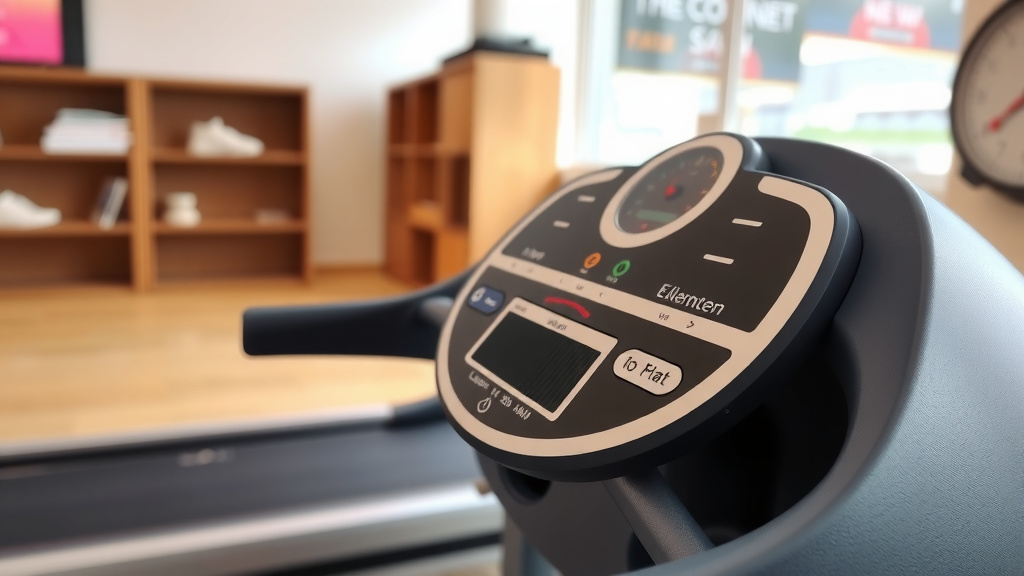
The buttons and display you interact with are your command center. They allow you to communicate your workout goals to the treadmill’s internal computer.
Direct Speed Controls
Most treadmills have simple up and down arrow buttons to increase or decrease speed incrementally. You’ll see the speed change in real-time on the display. Many also have quick-set speed buttons, like 3.0, 5.0, or 7.0 MPH, for rapid adjustments.
Pre-Set Programs and Speed
Treadmills often come with built-in workout programs. These programs automatically adjust the speed throughout your exercise session. One moment you might be at a brisk walking pace, and the next, it could ramp up to a jogging speed without you touching a button. This is pre-programmed into the console’s software.
Incline and Speed Interaction
It’s important to note that incline also affects your workout. While the belt speed remains constant, increasing the incline makes it feel harder, simulating hill training. Some advanced programs might even adjust speed and incline together.
Speed Measurement: MPH and KPH Explained
Treadmill speeds are universally measured in miles per hour (MPH) or kilometers per hour (KPH). This standardization makes it easy to track your progress and compare your treadmill workouts to outdoor runs.
Miles Per Hour (MPH)
MPH is the standard unit in the United States. A speed of 3.0 MPH typically equates to a brisk walking pace. Running speeds commonly range from 5.0 MPH up to 12.0 MPH or even higher for elite athletes.
Kilometers Per Hour (KPH)
KPH is used in most other parts of the world. To convert MPH to KPH, you multiply by approximately 1.609. For instance, 5.0 MPH is roughly 8.0 KPH. You can usually switch between these units on your treadmill’s console settings.
Accuracy of Treadmill Speeds
We found that while treadmills aim for accuracy, there can be slight variations. Factors like belt tension and calibration can influence the exact speed. However, for most users, the displayed speed is close enough for effective training. Many experts recommend that if you need highly precise speeds for training, you might consider using a separate GPS watch as a secondary measure (NCBI).
| Activity | Typical Speed (MPH) | Approximate Speed (KPH) |
|---|---|---|
| Leisurely Walk | 1.5 – 2.5 | 2.4 – 4.0 |
| Brisk Walk | 3.0 – 4.0 | 4.8 – 6.4 |
| Light Jog | 4.5 – 6.0 | 7.2 – 9.7 |
| Running | 6.0 – 10.0 | 9.7 – 16.1 |
| Sprinting | 10.0+ | 16.1+ |
Tips for Using Treadmill Speeds Effectively
Knowing how speeds work is just the first step. Here’s how to use that knowledge to your advantage.
- Start Slow: Always begin with a slower speed for your warm-up. This prepares your body for exercise.
- Listen to Your Body: Don’t force yourself to run at a speed that feels unsustainable or painful.
- Vary Your Pace: Mix up speeds for different workouts. Interval training, alternating high and low speeds, is very effective.
- Use Incline Wisely: Combine speed with incline for a more challenging workout without needing to go too fast.
- Consistency is Key: Aim to hit your target speeds consistently throughout your workout for the best results.
Setting Up Your Treadmill for Success
Getting your treadmill set up correctly can also impact speed accuracy and your overall experience.
Checking Belt Alignment
A belt that is too loose or misaligned can affect how the speed feels. Most treadmills have adjustment bolts at the rear. If the belt drifts to one side, you might need to tighten the rollers slightly on that side. Many user manuals provide detailed instructions on this.
Regular Maintenance
Keeping your treadmill in good condition is important. Lubricating the belt as recommended by the manufacturer helps it run smoothly. This reduces friction and ensures the motor isn’t working harder than it needs to. A well-maintained treadmill will offer a more consistent speed experience.
Here’s a quick checklist for keeping your treadmill running smoothly:
- Warm up before increasing speed.
- Cool down at a slower pace.
- Check belt alignment periodically.
- Lubricate the belt as per the manual.
- Clean the treadmill deck and console.
- Listen for any unusual motor sounds.
Conclusion
You now understand that your treadmill’s speed is a direct result of its motor, controlled by the console you interact with. This system translates your button presses into precise belt movement, measured in MPH or KPH. By grasping these mechanics, you can optimize your workouts and track your progress more effectively. Remember to perform basic maintenance and check belt alignment for consistent performance. The next step is to apply this knowledge by setting targeted speed goals for your next training session and enjoying a more informed and effective treadmill experience!
Frequently Asked Questions
How do I know if my treadmill’s speed is accurate?
While treadmills are designed for accuracy, slight variations can occur due to belt tension or calibration. Many experts suggest that for general training, the displayed speed is usually close enough. If you need extremely precise speeds, consider using a GPS watch as a secondary measure for comparison.
Can I run faster on a treadmill than outside?
For most people, the answer is yes. Treadmills offer a controlled environment where the belt moves at a set speed, allowing you to maintain a consistent pace. Outdoor running involves overcoming air resistance and uneven terrain, which can make it feel more challenging at the same speed.
What is the difference between MPH and KPH on my treadmill?
MPH stands for miles per hour and is the standard unit in the United States. KPH stands for kilometers per hour and is used in most other countries. Your treadmill likely allows you to switch between these units in the console settings to match your preference or training requirements.
Does the treadmill’s incline affect the speed?
The incline setting on your treadmill changes the angle of the belt, making your workout more challenging, but it does not directly alter the belt’s speed. While the speed remains constant, the increased incline simulates hill climbing, making it feel harder and engaging different muscles.
What does CHP mean on a treadmill motor?
CHP stands for Continuous Horsepower and refers to the motor’s power output under sustained use. A higher CHP rating, typically between 2.0 and 4.0 for home treadmills, indicates a more robust motor that can maintain consistent speed, especially under heavier loads or at higher speeds.