Treadmill Weight: How Much Does a Treadmill Weigh
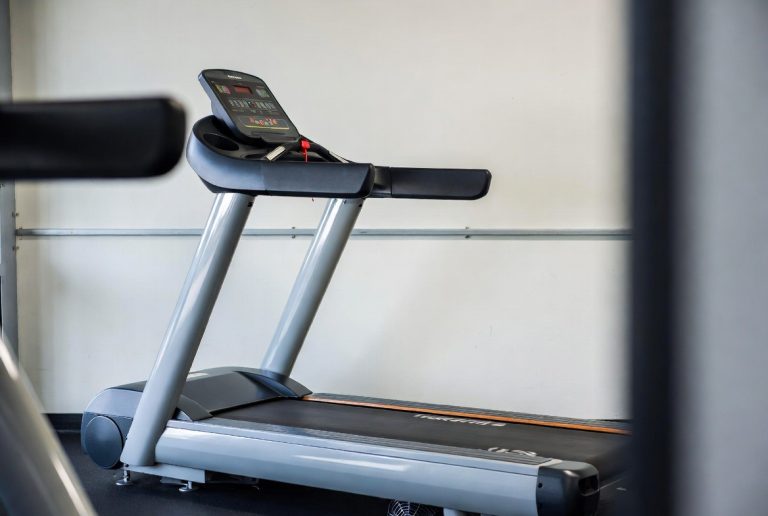
So, you’re wondering, “how heavy is a treadmill?” Generally, treadmills weigh anywhere from 100 to over 300 pounds. The exact weight depends on the model, its features, and the materials used, like its sturdy steel frame.
This weight is important for a few reasons. A heavier treadmill usually means it’s more durable and stable. This stability is key for a safe and effective workout, especially when you’re really moving. Plus, the weight can hint at the motor power and build quality you’re getting.
- Treadmills typically weigh between 100 and 300+ pounds.
- Heavier machines often mean more durability and stability.
- Weight can indicate motor strength and overall build quality.
- Consider weight for delivery and setup challenges.
Let’s get into the specifics of treadmill weights and what that means for you and your home gym.
How Much Does a Treadmill Actually Weigh?
You’re curious about treadmill weight, and for good reason! Understanding this can make a big difference in your home gym setup. We’ve found that most treadmills fall into a weight range of 100 to over 300 pounds.
This weight isn’t just a number. It often reflects the durability and stability of the machine. Think of it like a sturdy piece of furniture versus a flimsy one. The heavier it is, the more likely it is to stay put and feel solid during your workouts.
Factors Influencing Treadmill Weight
So, what makes one treadmill heavier than another? Several key components contribute to the overall heft.
Frame Material and Construction
The frame is the backbone of any treadmill. Most manufacturers use heavy-gauge steel for their frames. This material is strong and can support significant weight and impact. Some high-end models might even use thicker steel or reinforced components. This adds to the overall weight but also to the machine’s lifespan and stability.
Motor Size and Power
The motor is the heart of your treadmill. A more powerful motor, often measured in continuous horsepower (CHP), is generally larger and heavier. You’ll find motors ranging from 2.0 CHP to 4.0 CHP or even higher. A 3.0 CHP motor will typically be heavier than a 2.0 CHP motor. This extra weight is a good sign for your workouts, as it suggests the motor can handle longer, more intense sessions without overheating.
Deck and Cushioning System
The treadmill deck is the surface you run or walk on. The materials used here also play a role. A thicker, more robust deck designed for heavy impact will weigh more. Many treadmills also feature advanced cushioning systems to reduce stress on your joints. These systems can involve multiple layers of foam or specialized shock absorbers, adding a bit more weight to the unit.
Additional Features and Console
Think about all those extra bells and whistles! Treadmills with large, interactive touchscreens, built-in speakers, cooling fans, or extensive workout programs often have more complex consoles. These consoles house electronics and displays, which naturally add to the treadmill’s overall weight. The more features packed in, the heavier the machine might be.
Weight Ranges by Treadmill Type
The type of treadmill you’re considering also impacts its weight significantly. Let’s break it down.
Folding vs. Non-Folding Treadmills
Folding treadmills are designed for space-saving convenience. They often have a slightly lighter frame and a mechanism that allows them to fold up. While convenient, this design sometimes means they are lighter overall, potentially impacting stability. You might find folding models in the 100-250 pound range.
Non-folding (or fixed-frame) treadmills are typically built for maximum stability and durability. They don’t have the folding mechanism, allowing for a more robust and heavier construction. These are often found in gyms and can weigh anywhere from 200 to over 300 pounds. If you have the space, a non-folding model often offers a more solid feel.
Manual vs. Electric Treadmills
Manual treadmills don’t have a motor. You create the belt movement by pushing off with your feet. Because there’s no motor, they are generally the lightest type of treadmill. You might find manual treadmills weighing as little as 50-100 pounds. These are great for light walking and simple cardio but lack the features and feel of motorized versions.
Electric treadmills are what most people think of. They use a motor to power the belt. As we’ve discussed, the weight of electric treadmills varies greatly based on motor size, frame, and features. Most electric models fall into that 100-300+ pound category.
What Treadmill Weight Means for You
The weight of a treadmill isn’t just about its physical presence; it directly affects your experience.
Stability and Durability
A heavier treadmill generally translates to greater stability. When you’re running at higher speeds, a heavy, stable machine won’t wobble or shake. Research suggests that a stable platform is essential for safe exercise (National Institutes of Health). This stability is built with strong materials and a solid frame, hence the increased weight.
Durability is closely linked to weight. A machine that uses thicker steel and more robust components will naturally weigh more. This suggests it’s built to last longer, withstand more rigorous use, and require fewer repairs over time. It’s an investment in your fitness that should hold up.
Delivery and Setup Considerations
Let’s talk logistics! A treadmill weighing 200 or 300 pounds is a serious item to move. Most treadmills come partially assembled in large boxes. You’ll likely need Let’s talk logistics! A treadmill weighing 200 or 300 pounds is a serious item to move, and understanding delivery and setup is crucial.help moving it from your doorstep to its final workout spot. Measuring doorways and staircases beforehand is a smart move.
Assembly can also be more challenging with heavier units. While some parts might be pre-assembled, you’ll still be dealing with substantial pieces. If you’re not comfortable with heavy lifting or basic assembly, consider opting for a professional delivery and setup service. Many retailers offer this for an additional fee, and it can save you a lot of hassle and potential injury.
Motor Power and Workout Quality
As we touched on, a heavier motor usually means more power. More power translates to a smoother, more consistent belt speed, even when you’re pushing hard. This allows for a better workout experience, whether you’re jogging, running, or sprinting.
A treadmill that feels solid underfoot also contributes to a better workout. You can focus on your form and pace without worrying about the machine’s stability. This is particularly important for runners, as the impact forces are much higher than for walkers.
Quick Checklist: What to Consider About Treadmill Weight
Before you buy, keep these points about treadmill weight in mind:
- Space: Do you have enough room for a heavier, potentially non-folding unit?
- Delivery: How will you get it into your home?
- Assembly: Can you handle the weight during setup?
- Stability: Will the weight ensure a solid workout experience for your needs?
- Budget: Factor in potential costs for delivery or assembly services.
- Longevity: Does the weight suggest a durable, long-lasting machine?
Conclusion
So, you’ve learned that treadmill weight matters more than you might think. A heavier treadmill, generally between 100 and 300+ pounds, often signals better durability and stability. This means a safer, more solid workout experience for you. The weight is influenced by factors like the steel frame, motor power, and added features. Weighing these elements against your space, delivery capabilities, and assembly comfort will guide your choice. Your next step is to consider these weight-related factors alongside your fitness goals to find the perfect treadmill for your home gym.
Frequently Asked Questions
Are lighter treadmills bad for running?
Lighter treadmills, often under 150 pounds, may not offer the same stability as heavier models. This can lead to wobbling during intense runs. For serious runners, a more substantial machine typically provides a safer and more consistent workout experience.
Does treadmill weight affect how much it costs?
Yes, weight can be an indicator of cost. Heavier treadmills often use more robust materials and more powerful motors, which generally increase manufacturing costs. Higher-end, heavier models tend to come with a higher price tag due to their enhanced build quality and features.
Can I move a heavy treadmill by myself?
It’s generally not recommended to move a treadmill weighing over 150-200 pounds by yourself. Their considerable weight and awkward shape increase the risk of injury to yourself and damage to the machine or your home. Always seek help from at least one other person or hire professional movers.
What’s the average weight of a folding treadmill?
Folding treadmills typically weigh less than non-folding ones to make them easier to move and store. You can expect most folding models to fall within the 100 to 250-pound range. Their lighter weight is a trade-off for their space-saving convenience.
Should I prioritize weight when buying a treadmill?
Treadmill weight is an important factor to consider, but it’s not the only one. While weight often correlates with durability and stability, you should also look at motor power, features, cushioning, and your specific workout needs. Find a balance that suits your fitness goals and home setup.