How to Work a Treadmill
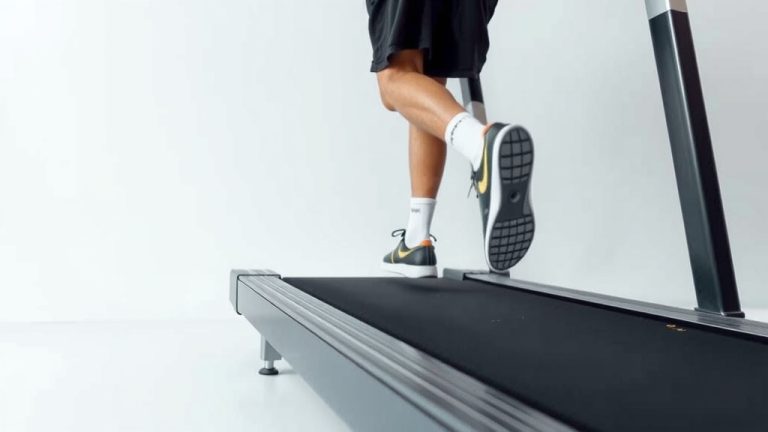
Working a treadmill is simple once you know the basics. To start, stand on the deck, grab the handrails, and press “Start.” You can then adjust your speed and incline to match your workout goals. Always use the safety clip for added peace of mind.
Treadmills offer a fantastic way to get in a great workout. You can easily control your intensity without worrying about weather. Many people find treadmills a convenient tool for achieving fitness milestones. Remember to warm up and cool down properly for the best results.
- Know your machine’s controls.
- Start slow and use the safety clip.
- Adjust speed and incline for intensity.
- Always warm up and cool down.
- Listen to your body!
Ready to get started? Let’s walk through exactly how to use a treadmill step by step, making sure you feel confident and safe.
Getting Started Safely on Your Treadmill
So, you’re ready to give that treadmill a spin? That’s fantastic! It’s a smart choice for a controlled workout. Let’s walk through the initial steps to make sure you feel confident right from the start. We want your experience to be both effective and, most importantly, safe.
Understanding the Control Panel
Before you even step on, take a moment to look at the console. Every treadmill has a slightly different layout, but most have common features. You’ll typically see buttons for Start, Stop, Speed Up, Speed Down, and Incline Up/Down. Some might have pre-programmed workouts or quick-start buttons. We found that just a quick glance can save you confusion later on.
The All-Important Safety Clip
This little guy is your best friend on a treadmill. It’s a key safety feature that attaches to your clothing. If you happen to slip or fall, the clip pulls away from the console. This immediately stops the belt, preventing further injury. Always make sure it’s securely attached before you begin. Research consistently shows that using the safety clip drastically reduces accident severity (CDC).
Your First Steps: Mounting and Starting
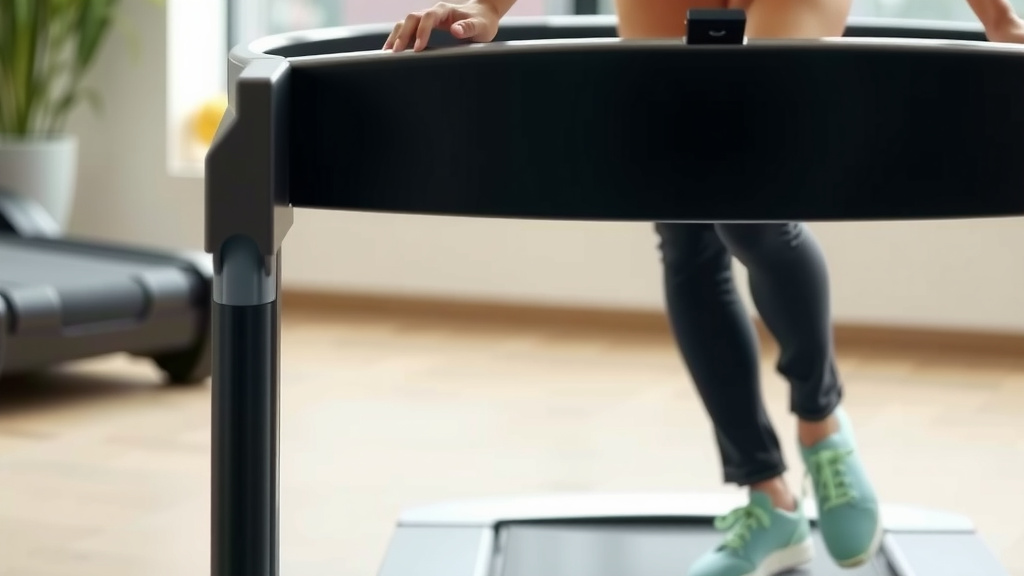
Okay, ready to hop on? Here’s the drill: Stand on the side rails first. These are the stationary platforms on either side of the moving belt. Once you’re steady, gently place your feet on the belt. Then, reach for the handrails for balance. Don’t grip them too tightly; a light touch is usually enough.
Now, look at the console. Find the “Start” button and press it. The belt will begin to move slowly. It might feel a bit strange at first. Take a few steps forward as the belt starts to glide under you. This slow start allows you to get used to the motion of the belt. Many people find this initial pace perfect for their warm-up.
Controlling Your Pace and Effort
Once you’re walking or jogging comfortably, you can start adjusting things. The speed controls (often marked with ‘+’ and ‘-‘ or arrows) are your primary way to change how fast the belt moves. You can increase or decrease the speed gradually. This helps you match the treadmill’s pace to your workout intensity.
The Magic of Incline
Adjusting the incline is like adding hills to your walk or run. You’ll find incline controls, usually separate from speed controls. Increasing the incline makes you work harder, engaging different leg muscles and providing a more challenging cardiovascular workout. It can simulate walking or running uphill. Many fitness experts recommend using incline to vary your workouts (Mayo Clinic).
Think of speed as the tempo and incline as the terrain. You can have a fast, flat walk or a slower, steep climb. Experimenting with both is key to finding what works best for your fitness goals. We found that even a small incline can make a big difference in how you feel the burn!
| Control Button | What It Does | When to Use It |
|---|---|---|
| Start | Begins belt movement. | To begin your workout. |
| Stop | Immediately stops the belt. | To end your workout or in case of an emergency. |
| Speed Up/Down | Increases or decreases belt speed. | To adjust your pace during exercise. |
| Incline Up/Down | Raises or lowers the front of the deck. | To increase or decrease workout intensity and target muscles. |
| Safety Clip | Disengages motor to stop belt. | Must be attached at all times during operation. |
Building Your Workout Routine
Now that you know the basics of operation, let’s talk about how to structure your time on the treadmill. It’s not just about hopping on and going; a little planning goes a long way for results and injury prevention.
The Essential Warm-Up
Before you push yourself, you need to prepare your body. A good warm-up gets your blood flowing and your muscles ready. We suggest starting with a slow walk for about 5 minutes. Gradually increase your speed to a brisk pace. You can also add a slight incline during this time. Think of it like gently waking up your body. Experts agree that a proper warm-up can improve performance and reduce the risk of muscle strains (NIH).
Finding Your Ideal Workout Intensity
This is where you tailor the treadmill to your fitness level and goals. Are you training for a 5K? Or are you just looking to maintain an active lifestyle? For general fitness, many guidelines suggest aiming for a moderate intensity. You should be able to talk but not sing. This often translates to a heart rate range of about 60-70% of your maximum heart rate (CDC).
Walking vs. Running
You don’t have to run to get a great workout. Walking is incredibly effective, especially when you vary your speed and incline. A brisk walk with a good incline can be as challenging as a light jog. If you’re new to exercise, starting with walking is smart. As you get fitter, you can gradually introduce short running intervals. Research has shown that both walking and running can significantly improve cardiovascular health.
Using Pre-Programmed Workouts
Many treadmills come with built-in programs. These can be great for variety and motivation. You might see programs for hill climbs, interval training, or fat burn. These routines automatically adjust the speed and incline for you. It takes the guesswork out of your workout. Just select a program that matches your goal and press start! We found these can be a fun way to push yourself without overthinking it.
The Cool-Down: Finishing Strong
Just as important as warming up is cooling down. After you finish your main workout, don’t just stop. Slow down your pace gradually. Walk at a slow speed for about 5 minutes. This helps your heart rate return to normal slowly. It can also help prevent muscle soreness. After your walk, you can step off carefully. This is a great time to do some gentle stretching for your legs and hips.
Here’s a quick checklist to keep you on track:
- Attach the safety clip securely.
- Start with a slow walk for your warm-up.
- Adjust speed and incline to reach your target intensity.
- Listen to your body and don’t push too hard too soon.
- End with a gradual cool-down walk.
- Consider a few minutes of stretching afterward.
Conclusion
You’ve now learned the essential steps to confidently work a treadmill. Remember to start slow, always use your safety clip, and adjust the speed and incline to meet your workout goals. Proper warm-ups and cool-downs are key for safe and effective exercise. By following these guidelines, you’re well on your way to enjoying a fantastic workout tailored just for you. Your next step is simple: step on and get moving!
Frequently Asked Questions
How do I know if the treadmill speed is right for me?
You’ll know the speed is right if you can maintain a conversation, but can’t quite sing. This moderate intensity is great for general fitness. Listen to your body; if you’re gasping for air, slow down.
Can I skip the warm-up if I’m short on time?
While it’s tempting, skipping your warm-up isn’t recommended. A brisk 5-minute walk prepares your muscles and heart, reducing injury risk. We found that even a short warm-up makes a difference in how your body feels.
What’s the difference between using incline and just going faster?
Increasing speed makes your workout more cardiovascular. Adding incline targets different leg muscles and simulates uphill training. We found that using both offers a more varied and challenging workout.
Is it okay to hold onto the handrails the whole time?
Holding the handrails for balance when starting or stopping is fine. However, for a more effective workout, try to use them as little as possible during your main exercise. This engages your core more.
How often should I use the treadmill?
For most adults, aim for at least 150 minutes of moderate-intensity aerobic activity per week. This could mean using the treadmill for 30 minutes, five days a week. Consistency is key for seeing results.