How Does Walking Backwards on a Treadmill Help?
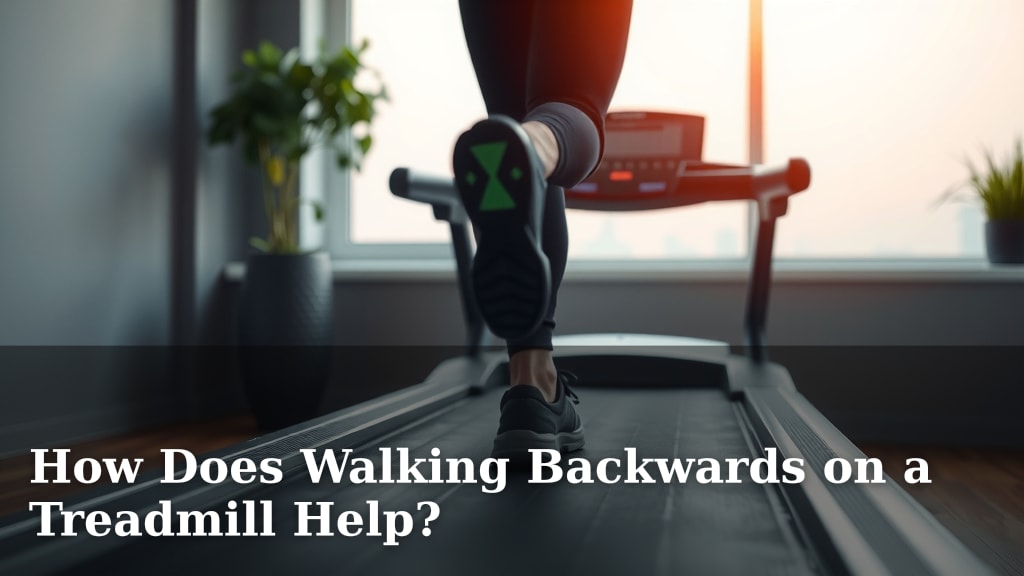
Yes, walking backwards on a treadmill can offer some unique benefits you might not expect. It works your muscles differently than forward walking, providing a good challenge for your balance and coordination. Many find it a refreshing change of pace for their workouts.
This less common treadmill exercise can help target muscles in your quadriceps and calves in a new way. Plus, it engages your core more intensely as you focus on maintaining an upright posture. It’s a great way to add variety to your fitness routine and challenge your body differently.
- Walking backwards on a treadmill is good for balance.
- It can help strengthen your quadriceps and calves.
- It engages your core muscles more.
- It offers a different type of workout than walking forward.
Ready to see how this simple switch can make a difference? Let’s walk through exactly why and how walking backwards on the treadmill works wonders for your fitness.
Understanding the Benefits of Reverse Treadmill Walking
Walking backwards on a treadmill might sound a little quirky, but it actually offers some unique advantages for your fitness. It challenges your body in ways forward walking doesn’t. Many find it a surprisingly effective way to switch up their routine. Let’s look at why this method is worth trying.
Muscle Engagement: A Different Approach
When you walk forward, your body naturally uses certain muscles more. Walking backwards shifts this focus. You’ll feel it working muscles differently. This can be great for overall muscle development.
Quadriceps and Calves Get a New Workout
Research shows that reverse treadmill walking places a greater emphasis on your quadriceps, the muscles at the front of your thighs. This is because your quads have to work harder to control your leg as it extends behind you. Think of it like a gentle, controlled resistance. You’ll also find your calves get a good workout. They work to push off the belt. This can help build strength and definition in your lower legs.
Hamstring Activation
While your quads are busy controlling your stride, your hamstrings also get more involved than usual. They help pull your leg forward to initiate the next backward step. This balanced activation is often missed in standard walking or running. Many fitness experts note this can lead to more balanced leg development (National Strength and Conditioning Association).
Improved Balance and Coordination
One of the most frequently cited benefits of walking backwards is its impact on your balance and coordination. When you’re not looking where you’re going, your brain has to work harder. It needs to process sensory information differently to keep you upright. This constant adjustment strengthens the neural pathways involved in balance. It’s like a mini-workout for your brain and your inner ear.
Proprioception Boost
Proprioception is your body’s awareness of its position in space. Walking backwards on a treadmill significantly enhances this. You become more attuned to where your limbs are. This can translate to better balance and stability in everyday activities. It helps prevent stumbles and falls. Many physiotherapists recommend it for improving overall body awareness.
Core Strength and Posture
To walk backwards safely and effectively, you need to maintain a stable, upright posture. This naturally engages your core muscles – your abs, back, and glutes. They work together to keep your torso steady. It’s a much more demanding core workout than you might expect. This can lead to a stronger, more stable core over time.
Reduced Impact on Joints
Surprisingly, walking backwards can be gentler on your knees and hips compared to forward walking. Because your stride tends to be shorter and more controlled, and your heel strike is less forceful, there’s less impact. This makes it a good option for individuals recovering from certain injuries or those looking for a low-impact cardio alternative. However, always consult with a healthcare provider before starting any new exercise, especially if you have pre-existing conditions (Cleveland Clinic).
Adding Variety to Your Fitness Routine
Let’s be honest, doing the same workout every day can get a bit boring. Introducing reverse treadmill walking is a fantastic way to inject some novelty into your fitness regimen. It can help you break through plateaus and keep your body guessing. A varied routine is key to long-term fitness success. It keeps your muscles engaged and prevents workout boredom.
Mental Challenge
Beyond the physical benefits, there’s a mental component too. It requires concentration and a different kind of focus. This can make your workout feel more engaging and less monotonous. It’s a different way to use your brain while you exercise. This mental engagement can be just as rewarding as the physical workout itself.
Practical Considerations for Reverse Walking
Before you jump on the treadmill and start walking backwards, it’s wise to be prepared. Safety is key. Start slowly and at a low speed. Get a feel for the movement before increasing intensity. Always keep your hands lightly on the handrails for support. This is especially important when you first begin. As you gain confidence, you can try letting go for short periods.
Starting Slow is Smart
We recommend starting with a speed of around 1 to 2 miles per hour. You might even begin with the incline off entirely. Focus on maintaining a smooth, controlled rhythm. Listen to your body. If you feel unsteady or uncomfortable, slow down or stop. It’s better to have a short, successful session than a long, risky one.
When to Incorporate Reverse Walking
You can use reverse treadmill walking as your main cardio workout. Or, you could use it as a warm-up or cool-down. Another great option is to incorporate short intervals of reverse walking into a longer forward-walking session. For example, you might walk forward for 5 minutes, then backward for 1 minute, repeating this cycle.
A Quick Checklist for Getting Started
- Start on a low speed.
- Use the handrails for support.
- Keep your posture upright.
- Focus on your breathing.
- Listen to your body’s signals.
- Increase duration and speed gradually.
By adding reverse treadmill walking, you’re not just changing direction; you’re changing the way your body works. It’s a simple adjustment with a variety of physical and mental rewards.
Conclusion
You’ve seen that walking backward on a treadmill offers a surprisingly effective way to boost your fitness. It challenges your muscles, especially your quads and calves, in new ways. Your balance and coordination get a good workout too, along with your core. This simple change can add much-needed variety to your routine and even be gentler on your joints. Ready to try it? Start with a slow speed, use the handrails for support, and gradually build your confidence. You might just discover a new favorite way to move!
Frequently Asked Questions
Can walking backward on a treadmill help with knee pain?
For some individuals, yes, walking backward can be gentler on the knees. The stride is often shorter and the heel strike less forceful than in forward walking. This reduced impact may offer relief. Always consult with a healthcare professional before starting if you have knee issues.
Is walking backward on a treadmill as good as walking forward?
It’s different, not necessarily “better” or “worse.” Walking backward targets muscles like your quadriceps more intensely and improves balance differently. Forward walking is still excellent for cardiovascular health. Combining both can provide a more rounded workout for your legs and body.
How fast should I walk backward on a treadmill?
Start very slow, perhaps between 1 to 2 miles per hour. Focus on your form and balance first. You can gradually increase the speed as you feel more comfortable and stable. Listen to your body and avoid pushing yourself too hard initially.
Will walking backward help me burn more calories?
While the calorie burn can be similar to forward walking at the same intensity, the increased muscle engagement and balance challenge can contribute to a slightly higher metabolic rate. The novelty and increased effort required for balance can also make the workout feel more intense, potentially leading to more calories burned over time.
How long should I walk backward on the treadmill?
Begin with short intervals, perhaps 1-5 minutes at a time, mixed into your regular walking routine. As your balance and comfort improve, you can gradually increase the duration. Aim for a total backward walking time that feels challenging but sustainable for your fitness level.