How Heavy is a Peloton Treadmill? Specs Revealed
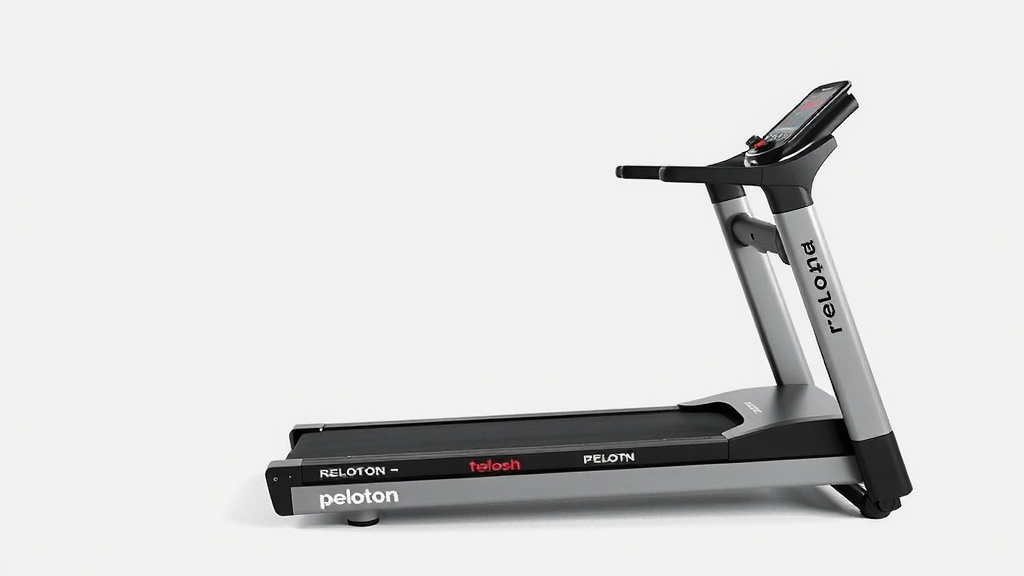
Thinking about bringing a Peloton Tread into your home? You’re probably wondering, how heavy is a Peloton treadmill? We found that the Peloton Tread typically weighs around 290 pounds. This impressive weight contributes to its stable, non-slip design, giving you confidence during intense workouts.
This substantial weight isn’t just for show. It’s key to the treadmill’s smooth operation and ability to handle your toughest runs. Many users appreciate this heft for a more secure running experience, especially compared to lighter home models.
- Peloton Tread weight: ~290 lbs.
- Weight adds stability.
- Ensures a non-slip surface.
- Supports a secure running experience.
- Built for durability.
So, now that you have a clearer picture of its weight, let’s dive into what that means for your home gym setup and overall experience.
Understanding the Peloton Tread’s Physical Footprint
So, you’re curious about how much real estate this powerhouse machine will occupy in your home. We found that the Peloton Tread weighs approximately So, you’re curious about how much real estate this powerhouse machine will occupy in your home.290 pounds. This substantial weight isn’t just a number; it’s a key factor in why the treadmill feels so solid and stable during your toughest workouts.
Why So Much Heft? Stability and Safety
You might be wondering why a treadmill needs to be so heavy. It all comes down to providing you with the best possible running experience. A heavier treadmill means less vibration and shaking, even when you’re hitting top speeds or doing intense interval training. Think of it like a well-built piece of furniture versus something flimsy; the heft equals durability and a more secure feel.
Many users report that this weight contributes significantly to a non-slip surface, which is crucial for safety. When you’re pushing your limits, the last thing you want is for the machine to feel like it’s sliding or unstable. The Peloton Tread’s weight helps keep it firmly planted on your floor.
Weight vs. Other Home Treadmills
When you compare the Peloton Tread to lighter, more basic home treadmills, the difference in weight becomes quite apparent. Many folding treadmills, for instance, might weigh under 150 pounds. While they offer convenience for storage, they often can’t match the premium feel and robust performance of a heavier, stationary unit like the Peloton.
This weight difference is a direct reflection of the materials used and the overall construction quality. Peloton has clearly prioritized a heavy-duty build to ensure longevity and a top-tier user experience. This means you’re investing in a piece of equipment designed to withstand frequent and vigorous use.
What the Peloton Tread’s Weight Means for Your Home Gym
Knowing the weight is one thing, but understanding what it means for your home setup is the next step. This section will help you prepare for its arrival and ensure you have a plan for placement.
Delivery and Assembly Considerations
Let’s be honest, moving a 290-pound treadmill is not a one-person job! Peloton typically offers white-glove delivery and assembly for their treadmills. This means trained professionals will bring the treadmill into your home, assemble it, and set it up for you. This service is a huge relief and a major benefit, considering the treadmill’s weight.
You won’t have to worry about wrestling it up stairs or around tight corners. Their team is equipped to handle such heavy items safely. It’s always a good idea to clear the path for delivery beforehand, though. Make sure there’s enough space for the delivery team to maneuver the treadmill easily to its intended spot.
Preparing Your Space
Before the delivery team arrives, think about exactly where you want your treadmill to go. Consider:
- Floor Protection: While the delivery team will likely place it carefully, you might want to consider a treadmill mat or a specialized floor protector. This can help guard your flooring against scuffs and pressure marks, especially on hardwood or laminate.
- Ventilation: Ensure the area has good air circulation. Treadmills generate heat during workouts, so a well-ventilated spot is more comfortable for you.
- Power Outlet Access: The treadmill will need to be plugged in. Make sure there’s a readily accessible outlet nearby, and avoid using extension cords if possible for safety reasons.
Moving the Treadmill Later (If Necessary)
While you won’t be moving it often, life happens! If you ever need to reposition the treadmill within your home, you’ll definitely need help. You might need to rent or borrow specialized moving equipment, like heavy-duty furniture dollies designed for large items. Even with equipment, we found that having at least If you ever need to reposition the treadmill, having two or three strong individuals is highly recommended for safe relocation.two or three strong individuals is highly recommended for safe relocation.
It’s also wise to consult the Peloton user manual for any specific guidance on moving the unit. They might have recommended techniques or parts that should be secured or removed before attempting to move it. Safety should always be the top priority when handling such a heavy piece of equipment.
The Benefits of a Heavier Treadmill Build
The sheer weight of the Peloton Tread isn’t just a logistical point; it directly translates into tangible benefits for your fitness journey.
Superior Durability and Longevity
A heavier machine generally uses more robust materials and has a more substantial frame. This means the Peloton Tread is built to last. It’s designed to withstand the constant impact of running, day in and day out, without showing premature wear and tear. You’re investing in a piece of equipment that can be a staple in your home gym for many years to come.
Smoother and Quieter Operation
The mass of the treadmill helps absorb vibrations. This leads to a smoother running experience. Less vibration also often means less noise. While no treadmill is completely silent, a heavier build tends to operate more quietly than lighter models, which can be a big plus if you live in an apartment or have others in your household who might be sensitive to noise.
Enhanced Performance for Intense Workouts
Whether you’re sprinting, doing hill climbs, or performing interval training, the treadmill needs to keep up. Its solid construction and significant weight ensure it remains stable and responsive. This stability is key to maintaining proper form and preventing injuries during high-intensity sessions. You can focus on your workout, not on the treadmill’s stability.

Peloton Tread Weight Compared to Other Fitness Equipment
To put the Peloton Tread’s weight into perspective, let’s consider a few other common home gym items. This comparison can help you visualize its mass within your home environment.
| Fitness Equipment | Approximate Weight |
|---|---|
| Peloton Tread | ~290 lbs |
| Peloton Bike+ | ~130 lbs |
| Standard Dumbbell Set (pairs) | 150-300 lbs (highly variable) |
| Weight Bench with Weights | 100-250 lbs |
| Elliptical Machine (average) | 200-250 lbs |
As you can see from the table, the Peloton Tread is on the heavier side compared to many other pieces of home fitness equipment. It’s considerably heavier than the Peloton Bike+ or a typical elliptical. This reinforces that it’s a substantial piece of machinery.
Is the Weight a Dealbreaker?
For most people, the weight of the Peloton Tread is a sign of its quality and performance. The benefits of stability, durability, and a secure running surface generally outweigh the logistical challenges. If you’re serious about your running and looking for a top-tier home treadmill experience, the weight is a feature, not a bug.
Consider your own space and your ability to manage the delivery and placement. If you have concerns, don’t hesitate to reach out to Peloton customer support or check online forums for user experiences with delivery in your specific area. Many find that the white-glove service makes the weight a non-issue.
Checklist for Your Peloton Tread Delivery and Setup:
- Confirm white-glove delivery service is included.
- Clear a wide path from your entrance to the desired treadmill location.
- Measure doorways and hallways to ensure the treadmill can pass through.
- Designate the final spot for the treadmill, considering space and outlet access.
- Purchase a treadmill mat or floor protector in advance if desired.
Conclusion
So, you’ve learned that the Peloton Tread is a substantial piece of equipment, weighing around 290 pounds. This heft is what gives you that stable, secure platform for every run, from warm-ups to sprints. While its weight means you’ll want to plan for delivery and placement, it directly translates to a quieter, smoother, and more durable machine. You’re investing in quality that’s built to last. Now that you know what to expect, consider where your Tread will live and get ready to hit the ground running!
Frequently Asked Questions
Can I move the Peloton Tread by myself?
No, you absolutely should not attempt to move the Peloton Tread by yourself. Weighing approximately 290 pounds, it requires at least two to three strong individuals and potentially moving equipment like dollies for relocation. Always prioritize safety when dealing with such a heavy item.
Does the Peloton Tread come with delivery and setup?
Yes, Peloton typically offers white-glove delivery and assembly for the Tread. This means trained professionals handle the heavy lifting and setup for you, which is a major convenience given its weight. You can relax knowing experts are managing the process.
How does the Peloton Tread’s weight compare to other treadmills?
The Peloton Tread is considerably heavier than many standard home treadmills, which can often weigh under 150 pounds, especially folding models. This extra weight is due to its robust construction and materials, contributing to its premium feel and performance.
Will the Peloton Tread damage my floors?
While the treadmill itself is designed for stability, its weight can put pressure on floors. It’s a good idea to use a treadmill mat or floor protector underneath it to prevent scuffs, dents, or pressure marks, especially on hardwood or laminate flooring.
Is the weight of the Peloton Tread a problem for apartments?
The weight contributes to a quieter operation, which can be a benefit in apartments. However, you should check your building’s policies regarding heavy equipment delivery and placement. Ensure your floor can support the 290-pound weight, and consider discussing potential vibrations with neighbors if you plan to run at very high speeds.