
8 Minute Mile Pace on Treadmill: How Fast Is It
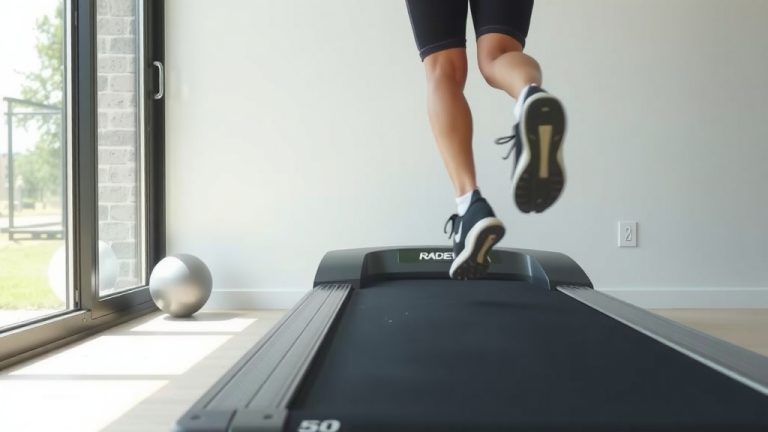
An 8-minute mile on a treadmill is a solid pace that many runners aim for. It translates to a speed of 7.5 miles per hour. This pace is often considered a benchmark for a good level of fitness.
This speed shows you have a good cardiovascular base and decent endurance. It’s faster than a casual jog but not quite at a competitive race pace for most. Many treadmill users find this speed challenging but achievable with practice.
- An 8-minute mile means running at 7.5 mph.
- It’s a good indicator of fitness.
- It’s faster than a casual jog.
- Many people aim for this pace.
Let’s get into what an 8-minute mile really means for your workout and how you can achieve it.
Understanding Your 8-Minute Mile Treadmill Pace
So, you’re curious about what an 8-minute mile pace actually feels like on the treadmill. We’re here to break it down for you. An 8-minute mile on a treadmill is equivalent to running at a consistent speed of 7.5 miles per hour (mph). This pace is often seen as a good fitness benchmark.
It means you’re moving faster than a casual jog. Think of it as a brisk, purposeful run. It shows you have a solid cardiovascular base and decent endurance. Many recreational runners and fitness enthusiasts aim for this pace during their workouts.
What Does 7.5 MPH Mean for Your Run?
When you set your treadmill to 7.5 mph, you’re entering a speed zone that’s challenging but manageable for many. This pace is faster than what most people casually walk or lightly jog. It requires a good amount of effort and focus.
Imagine a steady, rhythmic stride. Your breathing will be more pronounced than a gentle jog. Your legs will be moving at a quick tempo. It’s a speed where you can still speak short sentences, but carrying on a long conversation would be difficult. Many fitness experts consider this speed a strong indicator of good aerobic fitness.
Comparing Treadmill Speed to Outdoor Running
It’s interesting to note that treadmill speeds can sometimes feel a bit different than outdoor running. Because the belt moves under your feet, it can feel slightly easier. Some runners find they can maintain a slightly faster pace indoors. Others feel the controlled environment provides a more consistent effort.
Research suggests that the treadmill belt assists with leg turnover. This means less effort might be needed to propel yourself forward compared to running on a road or track. For this reason, some experienced runners might even up the incline slightly on the treadmill to mimic outdoor conditions. However, for most, 7.5 mph on a treadmill is a good representation of a solid running effort.
Your Fitness Level at an 8-Minute Mile Pace
Hitting an 8-minute mile pace suggests you have a well-developed aerobic system. This means your heart and lungs are efficient at delivering oxygen to your muscles. You likely have good stamina for moderate-intensity exercise.
This pace is often considered a “good” pace for many runners, especially for distances like a 5K or even a 10K. It’s not quite at the level of elite athletes, but it’s a significant step up from a beginner or casual jogger. You’re likely burning a good amount of calories at this speed, contributing to weight management goals. Plus, consistent training at this pace can improve your overall cardiovascular health.
How This Pace Relates to Different Running Distances
If you can maintain an 8-minute mile pace (7.5 mph), here’s what that might look like for common running distances:
| Distance | Time at 8-Minute Mile Pace (7.5 mph) |
|---|---|
| 1 Mile | 8 minutes |
| 5 Kilometers (approx. 3.1 miles) | Approximately 24 minutes and 48 seconds |
| 10 Kilometers (approx. 6.2 miles) | Approximately 49 minutes and 36 seconds |
| Half Marathon (13.1 miles) | Approximately 1 hour and 44 minutes |
As you can see, an 8-minute mile pace is a very respectable speed for shorter to mid-range distances. For longer distances like a marathon, most runners will need to adopt a slower pace to maintain endurance.

Achieving and Improving Your 8-Minute Mile Pace
Is an 8-minute mile pace a goal you’re working towards? Don’t worry, it’s achievable for many with consistent training. The key is progressive overload and smart training.
Building Your Running Endurance
The foundation of running faster is building your endurance. This means gradually increasing the distance or duration of your runs. Start with what feels comfortable and slowly add time or miles each week. The CDC recommends at least 150 minutes of moderate-intensity aerobic activity per week for adults. An 8-minute mile pace certainly qualifies as moderate to vigorous intensity.
Consider incorporating longer, slower runs into your routine. These runs help build your aerobic base without excessive strain. They teach your body to become more efficient at using fuel and delivering oxygen. Even if you’re aiming for speed, a strong base is essential for sustained performance.
Incorporating Speed Work
Once you have a solid endurance base, you can start adding speed work. This involves running at paces faster than your target 8-minute mile. Intervals are a popular and effective method. You can learn how to do interval training on a treadmill to improve speed.
For example, you could try running fast for 1-2 minutes, then jogging or walking to recover for a similar amount of time. Repeat this several times. This trains your body to handle higher speeds and improves your VO2 max, which is your body’s ability to use oxygen (Mayo Clinic). Speed work is what helps you push past plateaus.
The Role of Strength Training
Don’t forget about strength training! Stronger muscles can produce more power and help prevent injuries. Focus on exercises that target your legs, core, and glutes. Squats, lunges, and planks are excellent choices.
A strong core, in particular, is vital for maintaining good running form. Good form helps you run more efficiently and can prevent fatigue from setting in too quickly. We found that runners who incorporated strength training regularly often reported fewer injuries and improved running economy.
Listen to Your Body and Rest
Just as important as training is recovery. Your body needs time to repair and rebuild muscle after exercise. Pushing too hard without adequate rest can lead to burnout or injury. Make sure you’re getting enough sleep and consider rest days or active recovery like light stretching or walking.
Pay attention to any aches or pains. Pushing through sharp pain is never a good idea. It’s better to take an extra day off than to be sidelined for weeks. Remember, consistency over time is what leads to lasting improvements. Your body will thank you for the rest!
Your Checklist for Achieving an 8-Minute Mile Pace:
- Build a solid aerobic base with longer, slower runs.
- Incorporate interval training to improve speed.
- Don’t skip strength training, especially for your legs and core.
- Prioritize rest and recovery to allow your body to adapt.
- Stay consistent with your training schedule.
- Listen to your body and adjust as needed.
Conclusion
Reaching an 8-minute mile pace on your treadmill is a fantastic fitness milestone. It signifies a strong cardiovascular base and shows you’re running at a purposeful, brisk speed – around 7.5 mph. Remember, this pace is achievable with consistent training that balances endurance building, targeted speed work, and essential strength training. Prioritizing rest is just as important as your workouts to prevent burnout and injury. Keep listening to your body, stay consistent, and you’ll be running that 8-minute mile before you know it!
Frequently Asked Questions
Is an 8-minute mile pace considered fast?
Yes, an 8-minute mile pace is generally considered a fast and good pace for many recreational runners. It equates to 7.5 mph, which requires a solid level of fitness and aerobic conditioning.
How many calories do you burn running at 7.5 mph?
The number of calories burned varies based on your weight, body composition, and workout intensity. However, running at 7.5 mph for a sustained period will result in a significant calorie burn, contributing well to fitness and weight management goals.
Can I run an 8-minute mile if I’m a beginner?
While an 8-minute mile (7.5 mph) is a strong pace, beginners can work towards it. It requires a structured training plan focusing on gradually building endurance and incorporating speed work over time. Consistency is key for improvement.
Should I increase the incline on the treadmill for an 8-minute mile?
You don’t necessarily need to increase the incline for an 8-minute mile if your goal is simply to hit that speed. Some runners prefer to add a slight incline to better mimic outdoor running conditions and challenge their muscles further.
How does treadmill speed compare to outdoor running speed for an 8-minute mile?
Treadmill speeds can sometimes feel slightly easier than outdoor running due to the belt’s assistance. An 8-minute mile on a treadmill at 7.5 mph might feel comparable to a slightly slower pace outdoors, or you might find you can maintain it more easily indoors due to the controlled environment.
![5 Best Apple Watch App for Treadmill Running [In 2026]](https://homegymion.com/wp-content/uploads/2026/03/5-Best-Apple-Watch-App-for-Treadmill-Running-768x516.jpg)