Treadmill Walking Speed for Maximum Weight Loss
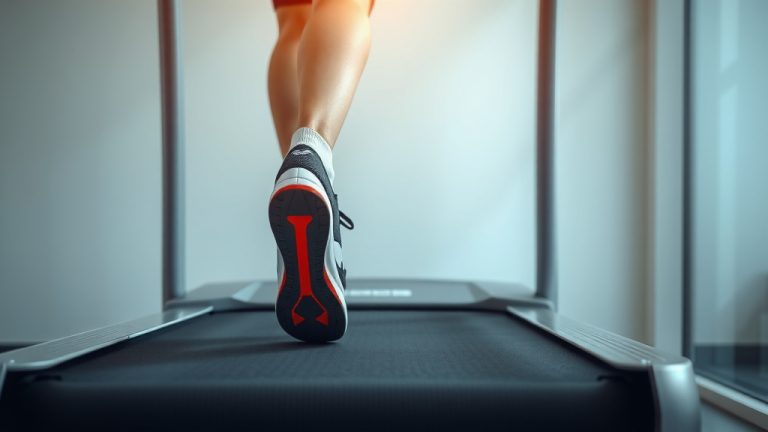
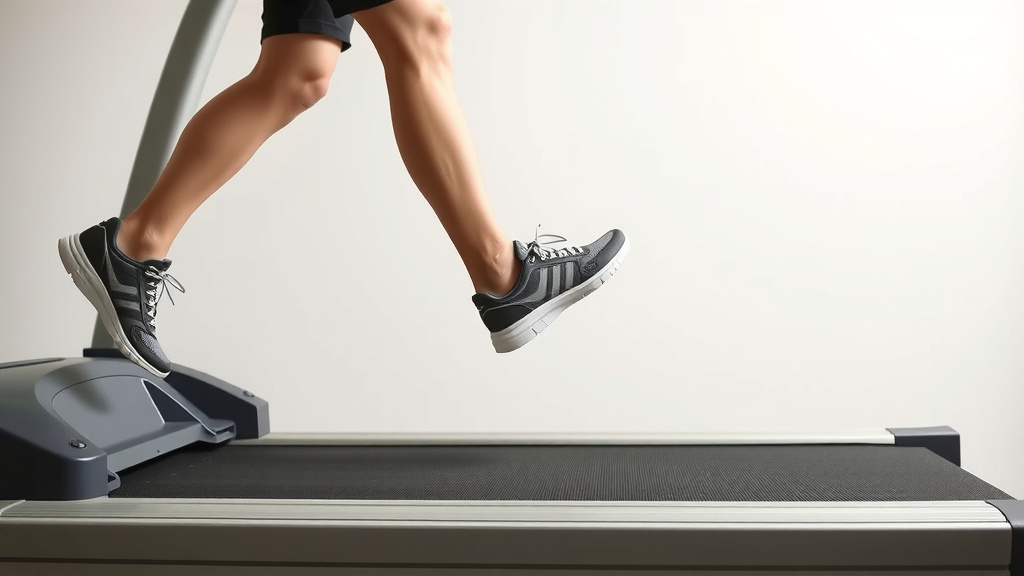
For weight loss, aim for a brisk walking pace of 3 to 4 miles per hour on the treadmill. This speed helps you burn more calories. Many experts suggest this range is ideal for effective fat burning. It’s fast enough to get your heart rate up without being overly strenuous for most people.
Finding the right treadmill speed is key to your weight loss journey. It’s not just about speed, but also about consistency and duration. A pace that feels challenging yet sustainable will yield the best results. We found that many studies point to this moderate intensity for optimal calorie expenditure.
- Aim for 3-4 mph on the treadmill.
- This speed burns more calories effectively.
- Focus on consistency for best results.
- Listen to your body and find a sustainable pace.
Let’s walk through exactly how to find your sweet spot and make your treadmill workouts count for weight loss.
Finding Your Ideal Treadmill Pace for Weight Loss
So, you’re ready to hit the treadmill and make some serious progress towards your weight loss goals. That’s fantastic! But how fast should you actually be walking? We’ve found that aiming for a speed between 3 and 4 miles per hour (mph) is often the sweet spot.
This moderate intensity gets your heart pumping effectively. It allows you to burn a good amount of calories without feeling like you’re sprinting. Many fitness professionals suggest this range because it balances effort with sustainability. It’s a pace that’s challenging enough to stimulate your metabolism but manageable for longer durations.
Understanding Treadmill Speed and Calorie Burn
The faster you walk on a treadmill, the more calories you generally burn. This is a pretty straightforward principle of exercise science.
When you increase your speed, your body needs more energy. This extra energy comes from burning calories. So, picking up the pace from a leisurely stroll to a brisk walk makes a noticeable difference in your calorie expenditure.
The Role of Intensity in Fat Burning
Weight loss isn’t just about burning calories; it’s also about burning fat. Research suggests that moderate-intensity exercise, like brisk walking, is highly effective for fat loss.
When you maintain a certain heart rate zone, your body becomes more efficient at using stored fat for energy. We found that many studies highlight this moderate-intensity zone for its ability to target fat stores effectively (NCBI). It’s a sustainable way to encourage your body to tap into those reserves.
What Does 3-4 MPH Actually Feel Like?
Let’s paint a picture. If you’ve ever walked briskly through a park or around your neighborhood, you’re likely familiar with this speed.
Imagine you’re on a mission to get somewhere on time. You’re not jogging, but you’re definitely moving with purpose. Your breathing will be heavier than normal, but you should still be able to hold a conversation. It’s that kind of purposeful, energetic pace.
Beyond Speed: Other Factors for Treadmill Weight Loss
While speed is important, it’s not the only piece of the puzzle. Consistency and duration play equally vital roles in your weight loss journey.
Consistency is Key
Showing up regularly is more impactful than an occasional super-long or super-fast workout. Think of it like watering a plant: a little bit every day helps it grow.
We found that a consistent exercise routine helps your body adapt and become more efficient. It also helps build healthy habits that support long-term weight management. Aim for several treadmill sessions per week.
Duration Matters: How Long Should You Walk?
Speed and consistency are great, but how long you spend on the treadmill also significantly impacts calorie burn.
For effective weight loss, many experts recommend aiming for at least 30 minutes of continuous brisk walking per session. If you’re just starting, you can build up to this duration gradually. Even 15-20 minutes done consistently is a great start.
Inclining Your Way to More Calories Burned
Want to boost your calorie burn without necessarily increasing your speed? Try adding some incline!
Walking on an incline simulates walking uphill. This engages more muscles, particularly in your glutes and hamstrings. It also increases your heart rate, leading to a greater calorie burn. We found that even a slight incline can make a difference (Cleveland Clinic).
You can experiment with different incline levels to find what’s challenging yet comfortable. Start with 1-2% and see how you feel. Remember to adjust your speed slightly if needed.
Personalizing Your Treadmill Workout
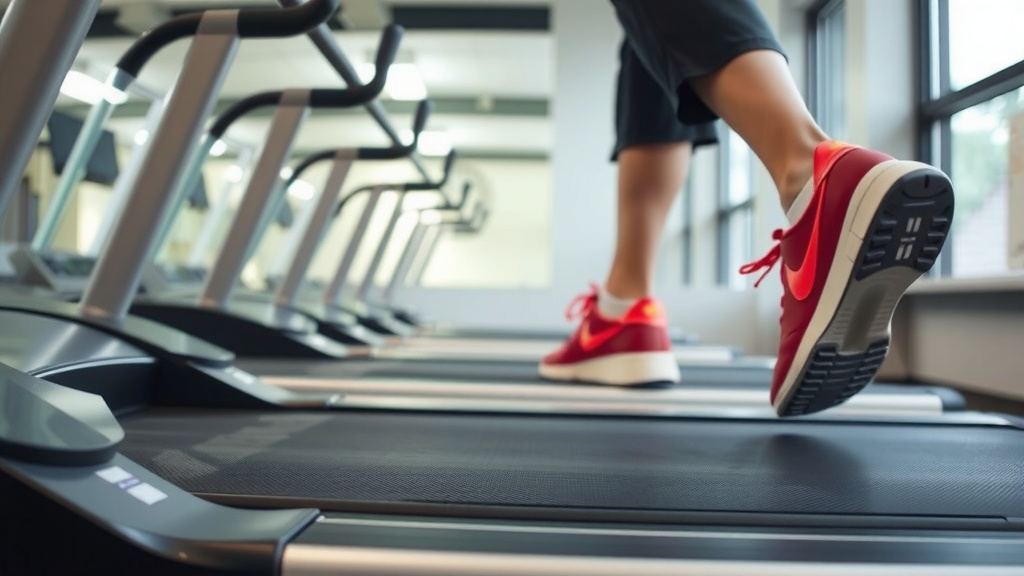
The “perfect” speed is unique to you. What feels like a brisk walk for one person might be a jog for another. Listening to your body is essential.
How to Find Your Personal Best Pace
Start with a speed of 3 mph. Walk for a few minutes to warm up. Then, gradually increase the speed until you feel a challenge.
You should feel your heart rate increase and your breathing become more noticeable. However, you should still be able to speak in short sentences. If you can’t talk at all, you’re likely going too fast for sustained weight loss.
If it feels too easy, increase the speed by 0.2 or 0.3 mph at a time. If it feels too hard, decrease it slightly. Finding this “sweet spot” is key.
A Quick Guide to Treadmill Speeds
Here’s a general idea of what different speeds might feel like:
| Speed (MPH) | Perceived Effort | Primary Goal |
|---|---|---|
| 1.5 – 2.5 | Very Light | Warm-up, Cool-down, Recovery |
| 3.0 – 4.0 | Moderate (Brisk Walk) | Weight Loss, Cardiovascular Health |
| 4.0 – 5.0 | Slightly Vigorous (Fast Walk/Light Jog) | Increased Calorie Burn, Fitness Improvement |
Remember, this is just a guideline. Your fitness level will influence your experience.
Listen to Your Body!
This can’t be stressed enough. Pushing too hard, too soon can lead to burnout or injury. It’s better to be consistent at a moderate pace than to push too hard and have to stop altogether.
Pay attention to how you feel during and after your workout. Are you feeling energized? Or are you completely exhausted and sore? Adjust your speed and duration based on your body’s feedback.
Making Your Treadmill Workouts Count: A Checklist
Ready to put this into action? Here’s a simple checklist to guide you:
- Set Your Speed: Start between 3-4 mph.
- Warm Up: Begin with 5 minutes at a slower pace (around 2 mph).
- Increase Intensity: Gradually reach your target brisk walking speed.
- Consider Incline: Add a small incline (1-2%) for an extra challenge.
- Maintain Duration: Aim for at least 30 minutes of brisk walking.
- Listen to Your Body: Adjust speed and incline as needed.
- Cool Down: Finish with 5 minutes of slower walking.
Conclusion
You’ve learned that finding your ideal treadmill speed for weight loss is about finding that sweet spot. Aiming for 3 to 4 miles per hour offers a brisk pace that effectively burns calories and targets fat stores. Remember, consistency is just as important as speed. Make sure your workouts are sustainable and regular, building up duration over time. Don’t forget that adding a slight incline can also boost your results.
Your next step is simple: listen to your body. Start at 3 mph, gradually increase until you feel challenged but can still hold a conversation, and stick with it. You’ve got this!
Frequently Asked Questions
How can I tell if my treadmill speed is too fast or too slow for weight loss?
If you can’t speak at all or feel like you’re gasping for air, your speed is likely too fast for sustained weight loss. Conversely, if you can easily sing a song and don’t feel your heart rate elevate, you might need to increase your speed. You should feel challenged but still able to talk in short sentences.
Can I lose weight by walking at 3 mph every day?
Yes, consistency at 3 mph can definitely contribute to weight loss, especially if you maintain it for at least 30 minutes per session. Pairing this regular walking with a healthy diet will yield the best results. Remember to also consider gradually increasing duration or adding incline over time.
Should I always walk at the same speed on the treadmill?
Varying your workout can prevent plateaus and keep things interesting. While 3-4 mph is a great target for weight loss, you can mix in longer sessions at a slightly slower pace or shorter, more intense sessions with higher speeds or inclines. This keeps your body challenged.
What’s the difference between walking speed for weight loss versus fitness?
For weight loss, a moderate intensity (3-4 mph) for a sustained period (30+ minutes) is key for calorie and fat burning. For general fitness, you might vary speeds more, incorporating slower recovery walks and faster bursts to improve cardiovascular capacity. Both have benefits, but the focus differs.
How much incline should I use on the treadmill for weight loss?
Start with a small incline, around 1-2%, and see how it feels. Increasing the incline engages more muscles and burns more calories without drastically changing your speed. You can gradually increase it as you get fitter, but ensure you can still maintain your target walking pace comfortably.