
Treadmill Desk Speed: What’s the Best Pace
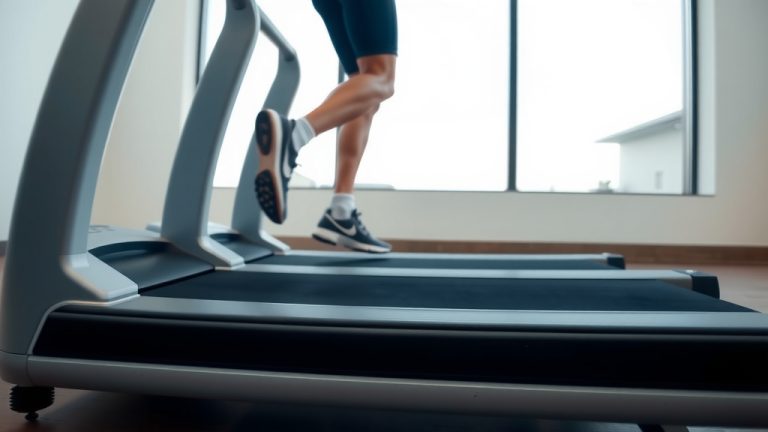
When walking on a treadmill desk, the sweet spot for speed is typically between 1 to 2 miles per hour. This range allows you to maintain a comfortable pace for extended periods, turning work into a light workout. You want to feel a gentle movement, not a strenuous jog. Finding your personal best speed is key to staying productive and healthy.
Many users find that a speed just above their normal standing posture is ideal for prolonged treadmill desk use. It should feel natural and not taxing. Aiming for a pace where you can easily hold a conversation is a good indicator. This low-impact activity can boost your energy levels and focus throughout the workday.
- Ideal speed: 1-2 mph
- Focus on comfort and conversation
- Light movement, not a workout
- Find your personal sweet spot
Let’s walk through how to find the perfect treadmill desk speed for you and make your work-from-home setup work better.
“`htmlFinding Your Ideal Treadmill Desk Pace
So, you’ve got a treadmill desk, and you’re wondering just how fast you should be walking. It’s a great question, and the answer isn’t a one-size-fits-all number. Instead, it’s about finding a comfortable rhythm that allows you to work and move. Most experts and users agree that the sweet spot is generally between 1 to 2 miles per hour (mph). Think of it as a leisurely stroll, not a brisk walk or a jog. You should feel your body moving, but not to the point where it distracts you from your tasks or makes conversation difficult.
The goal here isn’t to break a sweat or train for a marathon. It’s about incorporating gentle, consistent movement into your workday. This low-impact activity can significantly boost your energy levels and focus. We’ve found that many people can maintain this pace for several hours without feeling overly fatigued. It’s about sustained, comfortable movement. The key is to minimize sedentary time, and treadmill desks are excellent for this.
Why That Specific Speed Range Works
Why is 1-2 mph the magic number? Well, it mirrors the pace of a relaxed walk. Imagine walking through a park on a sunny afternoon – that’s the kind of speed we’re talking about. At this pace, your body is engaged enough to burn a few extra calories and improve circulation, but not so much that it hinders your cognitive functions. Research from institutions like the Mayo Clinic suggests that regular, light physical activity can improve blood flow to the brain, which is fantastic for concentration.
When you walk at this speed, you’re not exerting yourself. Your breathing remains steady, and you can easily hold a conversation. This is key for productivity. If you’re gasping for air or feel your heart rate soar, you’re likely going too fast for sustained work. The idea is to feel a gentle momentum, not a strenuous workout. It should feel natural, almost like you’re just standing and lightly shifting your weight.
The Benefits of a Gentle Pace
Walking at 1-2 mph on your treadmill desk offers a surprising number of benefits. Firstly, it combats the negative effects of prolonged sitting. Studies consistently show that sitting for too long is linked to various health issues. Moving even a little can help mitigate these risks. You’re turning passive work time into active recovery.
Secondly, this gentle movement can actually boost your mood and energy. Instead of that afternoon slump, you might find yourself feeling more alert and engaged. It’s like a mini-recharge button for your brain and body. Many users report feeling less stiff and more refreshed at the end of the workday.
How to Find *Your* Perfect Speed
While 1-2 mph is a great starting point, your ideal speed might be slightly different. Everyone’s body and comfort level are unique. Think of it as finding your personal walking groove. Here’s how you can dial it in:
The Conversation Test
This is one of the easiest and most effective ways to gauge your speed. Can you talk comfortably on a phone call or chat with a colleague without feeling winded? If yes, you’re likely in the right zone. If you find yourself pausing to catch your breath mid-sentence, you’re probably going too fast. You want to be able to speak in full sentences without any difficulty.
The Productivity Check
Ultimately, your treadmill desk needs to support your work. Can you type accurately? Can you read documents without feeling dizzy? Can you focus on complex tasks? If your walking speed is interfering with your ability to do your job, it’s too fast. Your primary goal is to get your work done, and the walking is a healthy bonus. We found that speeds that feel slightly faster than your normal standing posture often hit this sweet spot.
Listen to Your Body
Your body will tell you if something isn’t right. Are you experiencing any joint pain, muscle fatigue, or discomfort? These are signs you might need to adjust your speed or take a break. Don’t push through pain. It’s important to feel energized, not exhausted, after your walking sessions. Pay attention to how you feel after 15 minutes, an hour, and even a few hours.
Adjusting Your Speed Throughout the Day
You don’t have to stick to one speed all day long. Think of it like shifting gears in a car. Some tasks might require intense focus, and you might slow down or even stop your treadmill. Other times, you might feel a bit sluggish and want to pick up the pace slightly for a boost. It’s perfectly fine to vary your speed.
Starting Slow and Building Up
If you’re new to treadmill desks, start at the lowest setting (often around 1 mph) and see how that feels. Gradually increase the speed over a few days or weeks as you get more comfortable. Don’t feel pressured to walk at 2 mph right away. Your body will need time to adjust to this new way of working.
When to Slow Down or Stop
There will be times when you need to slow down. If you have a particularly demanding task that requires a lot of concentration, you might choose to slow your treadmill to a crawl or even stop it completely. This is normal. The beauty of a treadmill desk is its flexibility. You can transition between walking, standing, and even sitting (if you have a setup that allows it) with ease.
Speed vs. Duration: What’s More Important?
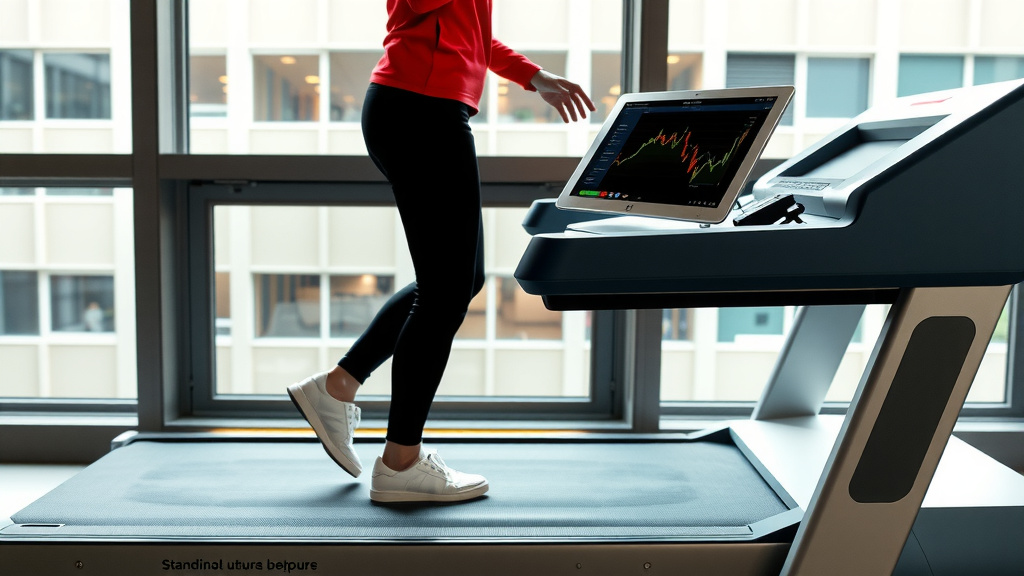
It’s easy to get caught up in hitting a specific speed, but the duration of your movement is often more impactful. While 1-2 mph is ideal for sustained walking, spending more time moving, even at a slower pace, is highly beneficial. The Centers for Disease Control and Prevention (CDC) recommends adults get at least 150 minutes of moderate-intensity aerobic activity per week. While walking at 1-2 mph might be considered light intensity, accumulating several hours of it daily significantly contributes to your overall activity levels.
Think about it this way: walking for 3 hours at 1 mph covers the same distance as walking for 1.5 hours at 2 mph. Both are good! The key is to minimize sedentary time. So, while finding that comfortable 1-2 mph pace is great for working, don’t be afraid to walk for longer periods. If you find yourself naturally gravitating towards 0.8 mph because it lets you work for 4 hours straight without issue, that’s fantastic!
| Speed (mph) | Feeling | Best For |
|---|---|---|
| 0.5 – 1.0 | Very slow, barely moving. Like a gentle sway. | Initial adjustment, very focused tasks, breaks. |
| 1.0 – 1.5 | Comfortable stroll. Easy conversation. | General work, emails, reading, light tasks. |
| 1.5 – 2.0 | Brisk walk. Still conversational, but more movement. | Boosting energy, longer work blocks, creative thinking. |
| 2.0+ | Jogging pace. Difficult to sustain work. | Not recommended for desk work. Use for dedicated exercise. |
Tips for a Great Treadmill Desk Experience
To make the most of your treadmill desk, consider these practical tips:
- Wear comfortable shoes: You wouldn’t go for a long walk in heels, right? Good walking shoes are essential.
- Stay hydrated: Keep water nearby. Moving more means you need to drink more.
- Listen to your body: Adjust speed and take breaks as needed.
- Don’t overdo it: Start slow and gradually increase your time on the treadmill.
- Vary your posture: Alternate between walking, standing, and sitting if possible.
- Set realistic goals: Aim for consistent movement rather than speed.
Conclusion
Finding your ideal treadmill desk speed is all about balance. The sweet spot, generally between 1 to 2 mph, allows you to move consistently without sacrificing focus or comfort. Remember, the goal is to integrate gentle, sustained activity into your workday, not to get a strenuous workout. We found that listening to your body and using the conversation test are your best guides. Start slow, adjust as needed, and enjoy the benefits of a more active workday. Your next step? Try walking at 1 mph for an hour today and see how it feels.
Frequently Asked Questions
Can I walk faster than 2 mph on a treadmill desk?
While you can technically walk faster than 2 mph, it’s generally not recommended for sustained work. Speeds above this often turn into a jog, making it difficult to type, read, or concentrate. We found that keeping it at a stroll or brisk walk pace is best for productivity and comfort.
How long should I walk on my treadmill desk each day?
There’s no strict rule, but aim to minimize sedentary time as much as possible. Many users find success by walking for 1-2 hours at a time, breaking it up throughout the day. The most important factor is consistent movement, even if it’s at a slower pace.
What if 1 mph feels too fast for me initially?
That’s perfectly fine! Some people start even slower, around 0.5 mph, just to get used to the movement. Gradually increase your speed over several days or weeks. Your body will adjust, and you’ll find your comfortable pace.
Does walking speed affect calorie burn on a treadmill desk?
Yes, walking faster burns more calories. However, the difference between 1 mph and 2 mph for an hour might be modest. The biggest calorie burn comes from the extended duration of movement compared to sitting all day.
How do I know if my treadmill desk speed is impacting my work negatively?
If you’re struggling to type accurately, finding yourself dizzy, or unable to concentrate on tasks, your speed is likely too high. The productivity check is key: your walking pace should support, not hinder, your ability to get work done.