
How to Incline a Treadmill
Yes, you can easily incline your treadmill to mimic uphill walking or running. Adjusting the incline can make your workout more challenging and help you target different leg muscles. It’s a simple way to boost your cardio session without adding speed.
Many treadmills offer automatic incline settings controlled by the console. You can also manually adjust it during your workout. This feature is great for simulating outdoor terrain and increasing calorie burn. It’s also a fantastic tool for strengthening your glutes and hamstrings.
- Adjust your treadmill incline to simulate hills.
- Use incline to target different leg muscles.
- Incline increases workout intensity and calorie burn.
- Many treadmills have automatic and manual incline options.
- It’s a great way to boost your cardio routine.
Ready to turn your treadmill into a mountain climber? Let’s walk through exactly how to get your treadmill to go uphill, step by step.
Making Your Treadmill Go Uphill
Want to add a new challenge to your treadmill workouts? Inclining your treadmill is a fantastic way to do just that. It mimics hiking a hill or running uphill. This simple adjustment can make your cardio session much more effective. You’ll feel the difference in your muscles and your cardiovascular system.
How to Adjust Your Treadmill’s Incline
Most modern treadmills have an incline feature. You can usually control it right from the console. It’s designed to be user-friendly, even if you’re new to treadmills.
Using the Treadmill Console
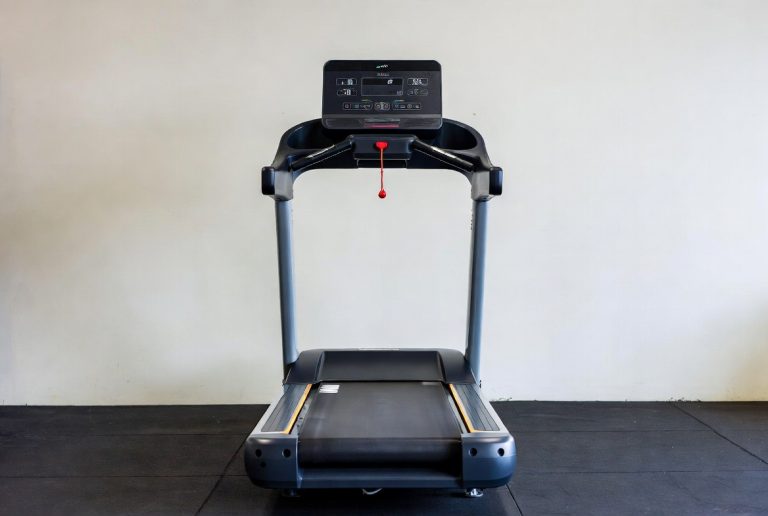
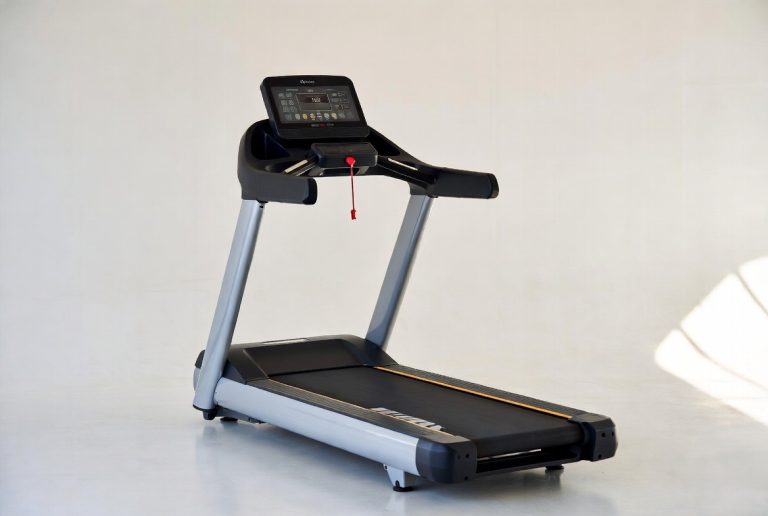
Your treadmill’s console is where you’ll find the incline controls. They are typically marked with arrow buttons. You’ll see an upward-pointing arrow to increase the incline and a downward-pointing arrow to decrease it. Some consoles have quick-set buttons for common incline levels, like 2%, 5%, or 10%. These are great for fast adjustments.
If your treadmill has an automatic incline setting, you might see pre-programmed workouts that change the incline for you. This is common in interval training programs. Just select a program, and the treadmill does the work of adjusting the incline as you go.
Manual Incline Adjustments
For manual control, simply press the incline up button until you reach your desired level. Many people start with a small incline, around 1-2%, to get a feel for it. You can then gradually increase it as your workout progresses. It’s important to listen to your body and not push yourself too hard too soon.
What If Your Treadmill Doesn’t Have Incline?
Not all treadmills come with an incline feature. If yours doesn’t, don’t worry! You can still add some challenge. You can try increasing the speed, focusing on your running form, or using incline trainers if you have access to them at a gym. For home use, you might consider adding a workout wedge under the front of your treadmill. These are usually made of sturdy rubber or plastic and are designed to safely lift the front of the machine, creating an incline. Always ensure the wedge is stable and fits your treadmill model securely.
Why You Should Use Treadmill Incline
Adding incline to your treadmill routine offers several benefits. It’s not just about making things harder; it’s about making them smarter. Let’s look at why you might want to incorporate incline into your workouts.
Increased Calorie Burn
Working out on an incline burns more calories than exercising on a flat surface. This is because you’re engaging more muscles and your body is working harder against gravity. Research shows that even a small increase in incline can significantly boost calorie expenditure. For example, walking at a 3% incline can burn about 30% more calories than walking at 0% (University of Wisconsin-La Crosse).
Muscle Engagement and Strengthening
When you incline your treadmill, you activate different muscle groups. Your hamstrings and glutes work harder to propel you forward. This is similar to how they would work when you’re walking or running uphill outdoors. It’s a great way to build strength in your lower body without adding extra weights. You’ll notice improved power and endurance over time.
Simulating Outdoor Terrain
Treadmill incline helps you prepare for outdoor runs or walks that involve hills. If you live in a hilly area or plan to participate in a race with inclines, training on an inclined treadmill is a smart move. It helps your body adapt to the demands of varied terrain. This can lead to better performance and reduced risk of injury when you tackle those real hills.
Lower Impact Option for Cardio
For some individuals, running at high speeds can be hard on the joints. Inclining the treadmill allows you to increase the intensity of your workout without necessarily increasing the speed. This can make it a lower-impact alternative for cardiovascular exercise. You still get a great workout, but with potentially less stress on your knees and ankles.
Setting Up Your Incline Workout
Ready to give it a try? Here’s how to set up a basic incline workout. Remember to start slow and gradually increase the incline and duration as you get fitter.
Getting Started with Incline
Beginners should start with a low incline. A 1% to 3% incline is a good starting point. This slight elevation can still provide a noticeable challenge. Keep the speed comfortable, similar to what you’d use for a flat-surface walk or jog. The goal here is to get your body accustomed to working against a slight incline.
Progressing Your Incline Workouts
As you become more comfortable, you can gradually increase the incline. Try moving up to 5% or even higher. You can also increase your speed or the duration of your workout. Consider incorporating incline intervals. This means alternating between periods of higher incline and lower incline, or higher speed and lower speed.
Here’s a simple progression plan you can try:
- Week 1: 5-10 minutes at 2% incline, 10-15 minutes at 0% incline.
- Week 2: 10-15 minutes at 3% incline, 10-15 minutes at 1% incline.
- Week 3: 15-20 minutes at 4% incline, 5-10 minutes at 2% incline.
- Week 4: 20-25 minutes at 5% incline, 5 minutes at 3% incline.
Sample Incline Workout Structure
A good incline workout doesn’t have to be complicated. Here’s a template:
- Warm-up: 5 minutes at 0% incline, comfortable walking pace.
- Incline Push: 10-20 minutes at an incline of 4-8%. Adjust speed to maintain a challenging but sustainable pace. You should feel your glutes and hamstrings working.
- Cool-down: 5 minutes at 0% incline, slow walking pace.
Remember to stay hydrated and adjust the incline and speed based on your fitness level. You can modify this structure by adding intervals of higher and lower inclines within the “Incline Push” phase.
Tips for a Better Incline Experience
To make the most of your incline training, keep these tips in mind. They can help you stay safe and effective.
Maintain Good Posture
As you incline the treadmill, it’s natural to lean forward slightly. However, try to maintain an upright posture. Keep your core engaged and avoid hunching your shoulders. Focus on looking ahead, not down at your feet. Good posture helps prevent strain and ensures you’re working your muscles effectively.
Adjust Speed Appropriately
When you increase the incline, you might need to slightly decrease your speed to maintain the same perceived exertion. Or, if you want a more intense workout, you can keep the speed the same and let the incline do the work. Experiment to find what feels best for your training goals. It’s about finding that sweet spot where you’re challenged but not overwhelmed.
Use Incline Strategically
Don’t feel like you need to keep the incline high for your entire workout. Varying the incline throughout your session can provide a more dynamic workout. You can use inclines to target specific muscle groups or to simulate different parts of a trail. For instance, use a steep incline for short bursts to really challenge your glutes and hamstrings.
Proper Footwear is Key
Wearing the right shoes is essential for any treadmill workout, but especially when using incline. Ensure your shoes provide good support and cushioning. This will help protect your feet and joints from the increased impact and strain. Look for shoes that offer a good grip to prevent slipping, especially as you increase the incline.
Listen to Your Body
This is perhaps the most important tip. If you feel pain, stop. It’s okay to take breaks or reduce the incline if needed. Pushing too hard, too soon can lead to injuries. Over time, you’ll build up your strength and endurance, and you’ll be able to handle higher inclines for longer periods. Your body will thank you for this approach.
Checklist: Getting Started with Treadmill Incline
Here’s a quick checklist to help you begin your incline training:
- Check your treadmill’s incline capability.
- Familiarize yourself with the console controls.
- Start with a low incline (1-3%).
- Maintain good posture throughout your workout.
- Gradually increase incline and duration as you progress.
- Listen to your body and adjust as needed.
Conclusion
You’ve learned how simple it is to add incline to your treadmill workouts. This feature can transform your cardio, helping you burn more calories and build stronger leg muscles. Remember to start slow, maintain good posture, and always listen to your body. Ready to conquer those hills? Your next workout is the perfect time to try out your treadmill’s incline feature.
Frequently Asked Questions
How high can I safely incline my treadmill?
Most treadmills have a maximum incline of 10-15%. Always check your treadmill’s manual for its specific limits. It’s best to start with lower inclines, around 1-3%, and gradually increase as you build strength and endurance.
Will using incline wear out my treadmill faster?
Using the incline feature moderately shouldn’t significantly shorten your treadmill’s lifespan. However, consistently using the maximum incline for long durations might increase wear. Regular maintenance is key for any treadmill use.
Is it better to increase speed or incline for a harder workout?
Both speed and incline increase workout intensity, but they work your body differently. Incline targets your glutes and hamstrings more, while speed can be harder on your joints. For a more joint-friendly challenge, focus on increasing the incline.
Can I use incline if I have knee pain?
Using incline can sometimes be a lower-impact option than running at high speeds. However, if you have knee pain, it’s wise to consult with a doctor or physical therapist first. They can advise if incline training is suitable for you and what settings to use.
What’s the best way to cool down after an incline workout?
After an incline workout, it’s important to cool down gradually. Start by reducing the incline back to 0% and slowing your pace to a comfortable walk for 5-10 minutes. Gentle stretching for your hamstrings, glutes, and calves can also be beneficial.

One Comment