
8 Minute Mile Treadmill Pace: How Fast Is It Really
An 8-minute mile on a treadmill means you’re running at a speed of 7.5 miles per hour. This pace is considered a solid moderate effort for many runners. It’s a pace that can be challenging but is achievable with consistent training. If you can hold this speed, you’re likely in good running shape.
Many runners aim for an 8-minute mile as a fitness goal. It’s a great benchmark for assessing your cardiovascular health. This speed can help you build endurance and improve your overall running performance. It’s also a pace that’s often used in various running training programs and challenges.
- An 8-minute mile equals 7.5 mph.
- It’s a moderate running pace.
- Good for building endurance.
- A common fitness goal for runners.
Ready to understand what that means for your workout? Let’s break down exactly what an 8-minute mile pace looks like on your treadmill and how it stacks up.
So, you’re hitting the treadmill and wondering what that 8-minute mile pace really feels like. It’s a solid benchmark, and understanding it can really help you tailor your workouts. Let’s dive into what this speed means for your run.
Understanding Your 8-Minute Mile Pace
An 8-minute mile on a treadmill translates to a speed of 7.5 miles per hour. This isn’t a stroll in the park, but it’s also not an all-out sprint for most people. You’re looking at a strong, steady pace that requires a good level of fitness to maintain.
Speed Conversion: Miles Per Hour to Treadmill Setting
Most treadmills display speed in miles per hour (mph). If your goal is an 8-minute mile, you’ll want to set your treadmill to 7.5 mph. This is the key number to remember for hitting that specific pace. It’s straightforward once you know the conversion.
Pace: A Runner’s Common Language
Runners often talk in terms of pace, which is how long it takes to cover a mile. So, an 8-minute mile means you’re covering 5,280 feet in just 8 minutes. It’s a way to measure your efficiency and speed over distance.
What 7.5 MPH Feels Like on the Treadmill
Hitting 7.5 mph feels different for everyone, depending on your current fitness level. For some, it’s a comfortable jog that they can sustain for a while. For others, it’s a definite challenge that pushes their limits. Think of it as a brisk, purposeful stride.
The Physical Sensation of an 8-Minute Mile
When you’re running at this speed, your breathing will likely be noticeably elevated, but you should still be able to speak in short sentences. Your leg turnover will be quicker than a casual jog. You’ll feel your heart pumping, working to deliver oxygen to your muscles.
It’s a pace where you’re working hard, but not so hard that you can’t maintain it for a decent chunk of time. Many runners find this pace perfect for interval training You can use this pace for interval training, which is a great way to boost fitness. or for a solid endurance run on days they want a good challenge.
Breathing and Effort Level
Your respiratory rate will increase significantly. You’ll feel your lungs working harder. However, you shouldn’t be gasping for air. You might be able to utter a few words at a time. This is often described as a moderate to somewhat hard effort on a perceived exertion scale (Mayo Clinic).
Stride and Cadence
At 7.5 mph, your stride will lengthen and your cadence (steps per minute) will increase. You’ll be taking quicker, more powerful steps than you would during a slow jog. Your arms will likely swing more actively to help with momentum.
Is an 8-Minute Mile a “Good” Pace?
Whether an 8-minute mile is “good” depends entirely on your personal fitness goals and current abilities. It’s a solid benchmark that indicates a good level of cardiovascular fitness for many.
Benchmarking Your Fitness
For a recreational runner who isn’t training for competitive events, holding an 8-minute mile pace is a great sign. It suggests you have developed good endurance and stamina. It’s a pace many people aspire to achieve or maintain.
If you’re just starting out, don’t worry if this pace feels too fast. Everyone begins somewhere! The important thing is to build up gradually. Consistency is key to improving your pace.
Comparing Different Runner Types
For seasoned marathoners, an 8-minute mile might be a comfortable warm-up pace. For someone new to running, it could be their race pace for a 5K or even a challenging interval pace. It’s all about context. Research from exercise physiology suggests that individual metabolic rates and biomechanics play a large role in what pace is sustainable (National Institutes of Health).
Think of it this way: if you can comfortably run a mile in 8 minutes, you’re likely in pretty good shape. It means your heart and lungs are efficient. Your leg muscles are also strong enough to handle the demands of this speed.
Achieving and Improving Your 8-Minute Mile Pace
If you’re not quite at the 8-minute mile mark yet, don’t get discouraged. With a structured approach, you can absolutely get there. Consistency and smart training are your best friends.
Training Strategies to Build Speed
You can improve your speed through a variety of training methods. Interval training, where you alternate between high-intensity bursts and recovery periods, is very effective. Tempo runs, which involve running at a comfortably hard pace for an extended period, also help build stamina at faster speeds.
Consider adding hill repeats to your routine. They build leg strength, which directly translates to faster running. Even regular strength training can make a difference by improving your running economy.
The Role of Consistency and Recovery
Showing up regularly is vital. Aim for 3-4 runs per week, gradually increasing your mileage or intensity. Don’t forget that recovery is just as important as the training itself. Your body repairs and gets stronger during rest days. Make sure you’re getting enough sleep and eating well.
Listen to your body. Pushing too hard too often can lead to injury. It’s better to have a consistent training schedule with proper rest than to push through pain and end up sidelined. Many sports medicine professionals recommend a structured approach to training to minimize injury risk (Cleveland Clinic).
Nutrition and Hydration for Performance
Fueling your body properly is crucial. Ensure you’re getting enough carbohydrates for energy and protein for muscle repair. Staying well-hydrated is also non-negotiable. Even mild dehydration can significantly impact your running performance and speed.
Hydrate throughout the day, not just right before your run. For longer or more intense workouts, consider sports drinks to replenish electrolytes. Proper nutrition supports your body’s ability to perform at its best.
Treadmill vs. Outdoor Running: What’s the Difference?
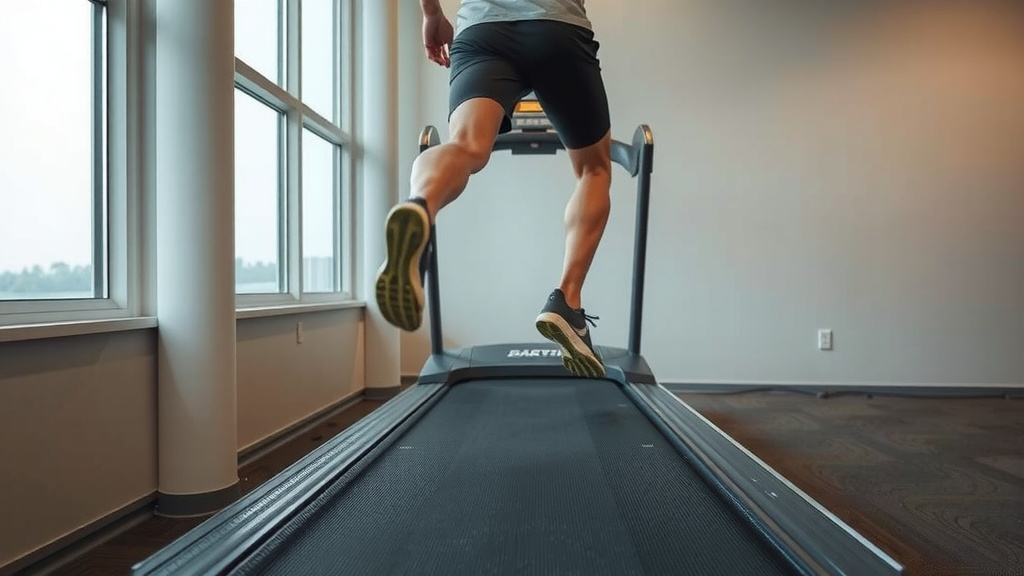
Running on a treadmill at 7.5 mph can feel slightly different than running the same pace outdoors. Treadmills provide a consistent, predictable surface and pace. They also often have a slight incline built-in due to the belt’s movement, which can make it feel a bit easier than running on flat ground outside.
The Treadmill Advantage
The belt assists with the push-off phase of your stride, meaning you don’t have to work quite as hard to propel yourself forward compared to outdoor running. This is why some people find they can run slightly faster on a treadmill. It’s a controlled environment perfect for hitting specific speeds.
Adjusting for Outdoor Runs
If your goal is to maintain an 8-minute mile outdoors, you might find you need to adjust your treadmill speed slightly slower, or keep the treadmill incline at 0.5% to 1%. This helps to better simulate the effort required for outdoor running. It ensures your training transfers effectively when you head outside.
Putting Your 8-Minute Mile Pace to Work
Once you’ve established your ability to hold an 8-minute mile pace, you can use it in various ways to enhance your fitness. It’s a versatile pace that serves multiple training purposes.
Interval Training Example
Try this: Warm up for 5-10 minutes. Then, run at 7.5 mph for 1 minute, followed by 1 minute of walking or slow jogging. Repeat this cycle 5-8 times. Cool down afterward. This builds speed and cardiovascular capacity.
Tempo Run Strategy
For a tempo run, warm up thoroughly. Then, run at your 8-minute mile pace (7.5 mph) for 15-20 minutes. This should feel challenging but sustainable. Cool down afterward. This improves your lactate threshold, allowing you to sustain faster paces for longer.
Endurance Building
Even running at this pace for shorter distances within a longer run can build endurance. For instance, you could run 1 mile at 7.5 mph, then drop to a slower pace for a few miles, and repeat. This variation keeps your body guessing and improves overall fitness.
Here’s a quick checklist to help you get the most out of your 8-minute mile efforts:
- Set your treadmill to 7.5 mph accurately.
- Warm up properly before starting your fast pace.
- Listen to your body and don’t push through pain.
- Cool down afterward with a slow jog or walk.
- Stay hydrated before, during, and after your run.
- Be consistent with your training for best results.
Conclusion
You’ve learned that an 8-minute mile pace on your treadmill means you’re running at a steady 7.5 mph. This speed is a fantastic benchmark for moderate fitness, building endurance, and pushing your limits effectively. It requires a solid effort, noticeable breathing, and a quicker stride. Whether you’re aiming for this pace or already hitting it, remember that consistency, smart training, and listening to your body are your keys to improvement. Keep up the great work, and consider incorporating interval or tempo runs at this pace to see even better results on your fitness journey!
Frequently Asked Questions
How difficult is an 8-minute mile pace for a beginner?
For a beginner, an 8-minute mile pace (7.5 mph) is likely quite challenging. You might find it feels like a fast sprint or a very difficult jog. It’s perfectly normal if you can’t sustain this speed for a full mile when you’re just starting out. Focus on building a consistent running base first.
Can I maintain an 8-minute mile pace for longer than one mile?
Yes, many runners who are at a moderate fitness level can maintain an 8-minute mile pace for distances longer than one mile. Your ability to do so depends on your current endurance and training. If it feels like a hard effort for one mile, try increasing the duration gradually in subsequent runs.
Should I adjust my treadmill speed for outdoor running?
Research suggests you might need to run slightly slower outdoors or set your treadmill to a 0.5% to 1% incline to match the effort of an 8-minute mile outside. Treadmills can sometimes feel easier due to the belt assisting your stride. It’s good to test this difference yourself.
What is the best way to train for an 8-minute mile pace?
To train for an 8-minute mile pace, try incorporating interval training and tempo runs into your routine. Alternating high-intensity bursts at or faster than 7.5 mph with recovery periods is very effective. Tempo runs at a comfortably hard pace, like your 8-minute mile goal, also build stamina.
How does an 8-minute mile pace contribute to overall fitness?
Running at an 8-minute mile pace is excellent for improving cardiovascular health and building muscular endurance. It represents a moderate to hard effort that challenges your heart and lungs. Consistently running at this speed can boost your stamina, making longer runs feel easier and improving your overall running performance.