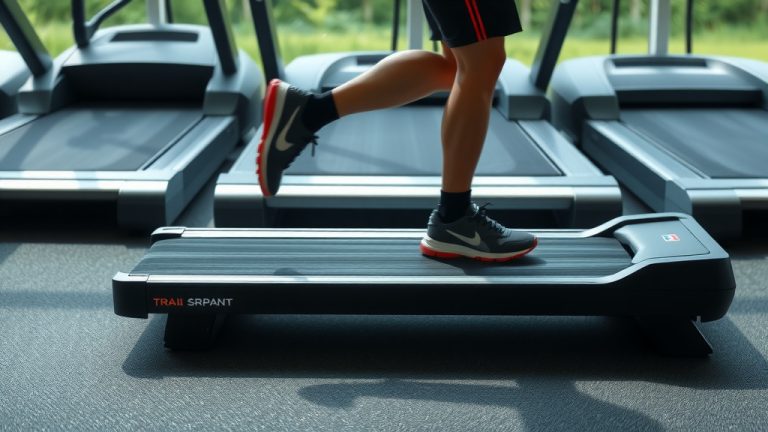

Treadmill Speed for an 8 Minute Mile: What You Need
To achieve an 8-minute mile pace on a treadmill, you’ll need to run at a consistent speed of 7.5 miles per hour. This means setting your treadmill to 7.5 mph for the duration of your run. It’s a brisk pace, so preparation is key.
Running an 8-minute mile is a common fitness goal for many. It’s a pace that requires a good level of cardiovascular fitness. Many find that consistent training helps them reach this speed. We’ve found that building up gradually is the best approach.
- An 8-minute mile pace equals 7.5 mph on a treadmill.
- This pace requires solid cardiovascular conditioning.
- Consistency in your treadmill workouts is key.
- Gradual increases in speed are recommended.
Ready to get your treadmill set up for this goal? Let’s break down what it takes to hit that 7.5 mph speed and maintain it.
“`htmlSetting Your Treadmill for an 8-Minute Mile Pace
So, you’re aiming for that 8-minute mile. That’s fantastic! On your treadmill, this translates to a speed of 7.5 miles per hour. You’ll want to set your machine to this speed and keep it there for the entire mile. It might sound simple, but sustaining this pace is where the real work begins.
Understanding the 8-Minute Mile Pace
What does an 8-minute mile actually feel like? It’s a pace that requires a strong cardiovascular system. Think of it as a brisk, challenging jog – faster than a casual walk, but not quite a full sprint for most people. Many runners aim for this pace because it’s a great indicator of fitness. It’s often used in fitness tests or as a benchmark for intermediate runners.
Calorie Burn and Health Benefits
Running at 7.5 mph for a mile burns a good number of calories. For an average person, this can be anywhere from 100 to 150 calories, depending on your weight and body composition. Beyond calorie burn, hitting this pace regularly helps boost your endurance. It strengthens your heart and lungs, which are vital for overall health (CDC). This consistent effort contributes to better cardiovascular health and can improve your stamina for other activities too.
What to Expect When Running at 7.5 mph
When you first hop on the treadmill and set it to 7.5 mph, it might feel quite fast. Your breathing will increase, and you’ll feel your heart rate go up. This is completely normal! It’s your body responding to the demand. You’ll likely find your legs moving at a quicker cadence than you might be used to. Staying mentally focused is just as important as the physical effort. You’ll want to find a rhythm that feels challenging but manageable.
Preparing Your Body for the Pace
Jumping straight into running a mile at 7.5 mph might be tough if you’re not used to it. Your body needs time to adapt. The key is to build up to this speed gradually. Don’t get discouraged if you can’t hit it on your first try. Consistency and smart training are your best friends here.
Warm-Up Routine: Getting Your Body Ready
Before you even think about hitting 7.5 mph, a proper warm-up is essential. This prepares your muscles and cardiovascular system for the higher intensity. Start with 5 minutes of light walking, gradually increasing to a brisk walk. Then, transition into a slow jog for another 5 minutes. Some dynamic stretches, like leg swings and arm circles, can also be very beneficial. A good warm-up helps prevent injuries and makes the run itself feel smoother.
Cool-Down and Stretching: Recovering Effectively
After you’ve completed your 8-minute mile (or your training session), don’t just stop! A cool-down is just as important as the warm-up. Spend 5 minutes walking at a slower pace to allow your heart rate to gradually return to normal. Following that, gentle static stretches can help improve flexibility and reduce muscle soreness. Focus on stretching your hamstrings, quadriceps, calves, and hip flexors. Many fitness experts recommend holding stretches for 20-30 seconds.
Training Strategies to Reach 7.5 mph
Reaching a sustained 7.5 mph pace often requires more than just running at that speed. You need a structured approach. Think of it like training for a race – you want to build speed and endurance strategically.
Interval Training: The Secret Weapon
Interval training is incredibly effective for improving speed. This involves alternating between periods of high-intensity running and periods of lower-intensity recovery. For example, you might run at 7.5 mph for 1 minute, then slow down to a comfortable jog for 2 minutes. Repeat this cycle several times. Over weeks, you can increase the duration of the fast intervals or decrease the recovery time. Research shows that interval training can lead to significant improvements in Interval training is incredibly effective for improving speed, so consider learning how to do interval training on a treadmill.VO2 max and running economy (NCBI).
Increasing Treadmill Speed Incrementally
If you’re currently running at a slower pace, don’t jump straight to 7.5 mph. Instead, gradually increase your speed over time. You could start by adding 0.2 or 0.3 mph to your runs each week. Or, try to run at 7.5 mph for shorter durations and slowly increase that time. For instance, start by running 30-second bursts at 7.5 mph, and build up to a full minute, then two, and so on. This progressive overload is a fundamental principle of training.
Building Your Stamina with Longer Runs
While speed work is crucial, don’t forget the importance of building overall endurance. Incorporate one longer, slower run into your weekly routine. This doesn’t mean running at 7.5 mph; it means running at a pace where you can comfortably hold a conversation. These longer runs help build your aerobic base, which is the foundation for speed. A strong aerobic base makes those faster paces feel much more achievable.
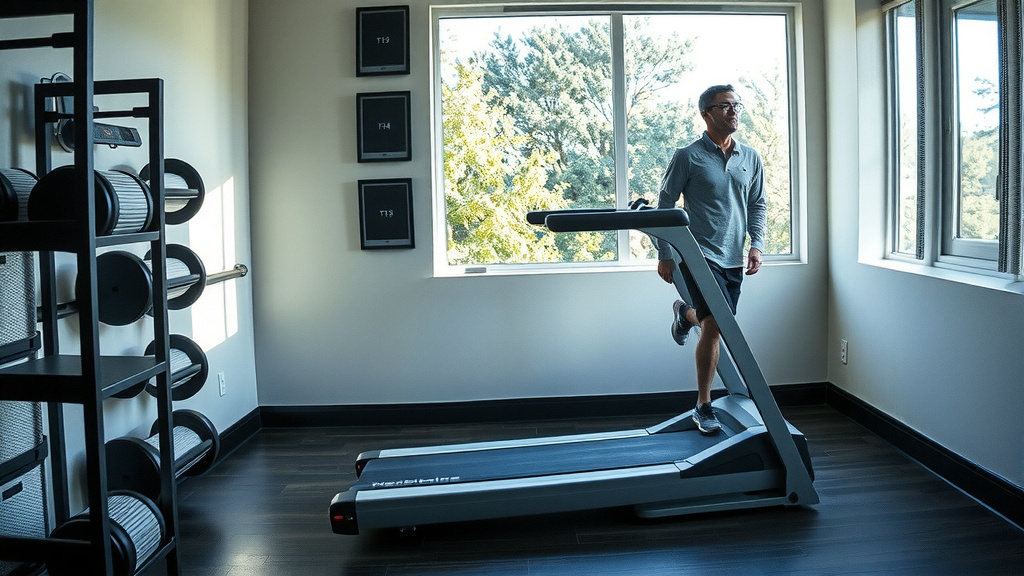
Treadmill Settings and Considerations
Beyond just the speed, there are a few other treadmill settings and features that can help you. Understanding these can make your training more effective and comfortable.
Incline: A Useful Training Tool
While an 8-minute mile pace on a flat surface is 7.5 mph, sometimes using a slight incline can help. A small incline, like 1%, can better mimic the effort of running outdoors and can help engage different muscles. However, for the specific goal of hitting 7.5 mph, focusing on the speed itself is usually the primary objective. If you do use incline, be aware that it will increase the overall effort required.
Monitoring Your Progress: Heart Rate and Perceived Exertion
It’s helpful to track how you feel during your runs. Using a heart rate monitor can give you objective data about your effort. For an 8-minute mile pace, your heart rate will likely be in your moderate to vigorous intensity zone. You can also use the Rate of Perceived Exertion (RPE) scale, where 7.5 mph might feel like a 6 or 7 out of 10. This subjective measure helps you understand your body’s response. Listening to your body is key to avoiding overtraining.
Your 8-Minute Mile Treadmill Checklist
Here’s a quick checklist to keep you on track:
- Warm-up properly for 10-15 minutes before each run.
- Set treadmill to 7.5 mph for your target pace intervals.
- Incorporate interval training sessions into your weekly plan.
- Gradually increase speed or duration at your target pace.
- Don’t forget your cool-down and stretching after each workout.
- Listen to your body and rest when needed to prevent injury.
When to Adjust Your Pace or Duration
It’s okay if some days feel harder than others. If you’re struggling to maintain 7.5 mph, don’t push too hard. You might need to shorten the duration you run at that speed or slightly decrease it for that session. Your body might be telling you it needs more rest or that you’ve increased the intensity too quickly. Conversely, if 7.5 mph starts to feel easy, it might be time to challenge yourself with slightly longer intervals or even a small speed increase.
Remember, the goal is consistent progress, not perfection every single workout. Enjoy the process of getting fitter and faster!
“`Conclusion
Hitting an 8-minute mile pace on your treadmill, which means running at 7.5 mph, is an achievable fitness goal with the right approach. You’ve learned that it requires a solid cardiovascular base and consistent training. Remember to always warm up properly and cool down afterward to support your body. Incorporating interval training and gradually increasing your speed are key strategies for success. Keep listening to your body, rest when you need to, and celebrate your progress along the way. Your next step is to schedule your first interval training session this week!
Frequently Asked Questions
How long should I warm up before trying to run at 7.5 mph?
You should aim for a warm-up of at least 10-15 minutes. This includes 5 minutes of light walking, followed by 5 minutes of brisk walking or slow jogging, and finishing with dynamic stretches like leg swings. A proper warm-up prepares your muscles and cardiovascular system for the higher intensity run and helps prevent injuries.
Is it okay to use incline when training for a 7.5 mph pace?
A slight incline, around 1%, can mimic outdoor running and engage different muscles, which can be beneficial. However, for the specific goal of hitting 7.5 mph, your primary focus should be on maintaining that speed on a flat surface. If you do use incline, be aware that it will increase the overall effort required for that pace.
What if 7.5 mph feels too fast on my first try?
It’s completely normal for 7.5 mph to feel challenging initially. Don’t get discouraged! Instead, focus on running at that speed for shorter durations, like 30 seconds or a minute, and gradually increase the time over several workouts. You can also try decreasing the speed slightly for longer periods until you build up the stamina.
How often should I do interval training for an 8-minute mile goal?
For most intermediate runners, incorporating interval training 1-2 times per week is effective. This allows for enough intensity to drive improvement while giving your body sufficient time to recover between sessions. Always include rest days in your training schedule.
What are the signs I’m ready to increase my treadmill speed beyond 7.5 mph?
You’ll know it’s time to challenge yourself when you can comfortably complete your target intervals at 7.5 mph without excessive strain. This means your breathing is controlled, and you feel like you could maintain the pace for a bit longer. If 7.5 mph feels like a 5 or 6 on a 1-10 exertion scale, you’re likely ready to push it.