What Running at 10 mph on a Treadmill Means
So, you’re wondering, “How fast is 10 on a treadmill?” In treadmill terms, a speed of 10 mph is considered a very brisk pace, often representing a full-out sprint for many runners. It’s much faster than a typical jogging speed for most people.
Many treadmills max out at speeds around 10-12 mph. Hitting a 10 mph pace means you’re likely moving at a speed that requires significant athletic ability and training. It’s a challenging speed that even experienced runners might not sustain for long periods.
- 10 mph on a treadmill is a fast sprint.
- It’s quicker than most people’s jogging pace.
- Many treadmills have a max speed around 10-12 mph.
- Sustaining 10 mph requires good fitness.
We found that understanding treadmill speeds can really help you tailor your workouts. Let’s break down what 10 mph really means for your fitness routine.
Understanding Speed 10 on a Treadmill
So, you’ve seen “10” on the treadmill display and are asking, “What does that even mean?” In treadmill lingo, a speed of 10 mph is quite fast. It’s generally considered a full-out sprint for most individuals. This is not your average jogging pace. It’s a challenging speed that tests your limits. We found that this speed is often at the upper end of what many treadmills can even offer.
How Fast is 10 MPH in Real Terms?
To put 10 mph into perspective, let’s think about common activities. A brisk walking pace for most adults is around 3-4 mph. A comfortable jogging pace might be 5-6 mph. A faster run for many is 7-8 mph. Hitting 10 mph means you are running significantly faster than these common speeds. You’re in sprint territory. Think about a competitive 100-meter dash pace; 10 mph is getting close to that!
Who Can Actually Run at 10 MPH?
Running at 10 mph requires a good level of fitness. It’s often achieved by athletes, serious runners, or individuals who train regularly. For the average person, sustaining this speed is a major challenge. Many people can hit 10 mph for very short bursts, perhaps for a few seconds as a maximum effort. It’s not a speed most can maintain for even a minute.
The Role of Fitness Level
Your personal fitness level is the biggest factor. If you’re an experienced runner who trains for speed, 10 mph might be a challenging but achievable interval pace. If you’re just starting out or haven’t run much, 10 mph will feel incredibly fast. It’s the kind of speed that makes your lungs burn and your legs feel like they might give out. We found that consistency in training is key to approaching such speeds.
Treadmill vs. Outdoor Running
It’s worth noting that treadmills can feel different than outdoor running. Some find treadmills easier due to the consistent surface and lack of wind resistance. Others find them harder because the belt moves under you. Running at 10 mph on a treadmill might feel slightly different than achieving that same speed on a track or road. Your body might react differently.
Setting the Right Pace: What 10 MPH Means for Your Workout
So, if you’re aiming for 10 mph or seeing it on your treadmill, what should you expect? It’s a speed that demands respect. It’s not for casual use. We researched treadmill capabilities and found that many home treadmills have a maximum speed of 10-12 mph. Higher-end commercial treadmills might go faster, but 10 mph is still a significant benchmark.
When 10 MPH is Your Target
If 10 mph is your goal speed, you’re likely training for sprints, interval workouts, or perhaps a specific race where speed is critical. It means you’re looking to push your anaerobic threshold. This type of training can improve your speed and power significantly. It’s about short, intense bursts of effort.
Typical Treadmill Speeds and Their Meanings
Let’s compare 10 mph to other common treadmill settings. This can give you a clearer picture of where it fits in your fitness journey.
| Treadmill Speed (MPH) | Activity Type | Effort Level |
|---|---|---|
| 2.0 – 3.0 | Walking | Very Easy |
| 3.0 – 4.0 | Brisk Walking / Light Jog | Easy to Moderate |
| 5.0 – 6.0 | Jogging / Easy Run | Moderate |
| 7.0 – 8.0 | Running / Faster Pace | Moderately Hard |
| 9.0 – 10.0 | Fast Running / Sprint | Hard to Very Hard |
| 10.0+ | Maximum Sprint / All-Out Effort | Maximal Effort |
The Importance of Proper Form and Safety
Running at 10 mph requires excellent running form. If your form is poor, you increase your risk of injury. Keep your body upright, engage your core, and maintain a quick cadence. The treadmill belt moves quickly at this speed, so staying centered is vital. We found that maintaining a light touch on the handrails, or no touch at all, is best for natural form.
Listen to Your Body
The most important rule when pushing your speed is to listen to your body. If you feel sharp pain, stop immediately. A speed of 10 mph is intense. You might feel breathless and your muscles will work hard. This is normal for such an effort, but pain is a warning sign. Research from organizations like the Mayo Clinic emphasizes consulting a doctor before starting any new intense exercise program.
Warm-up and Cool-down
Never jump straight into a 10 mph sprint. A thorough warm-up is essential. Start with a few minutes of walking, then gradually increase to a light jog. For your cool-down, decrease your speed gradually back to a walk. This helps your heart rate and muscles recover safely. A good cool-down aids in reducing muscle soreness.
Can You Sustain 10 MPH? A Reality Check
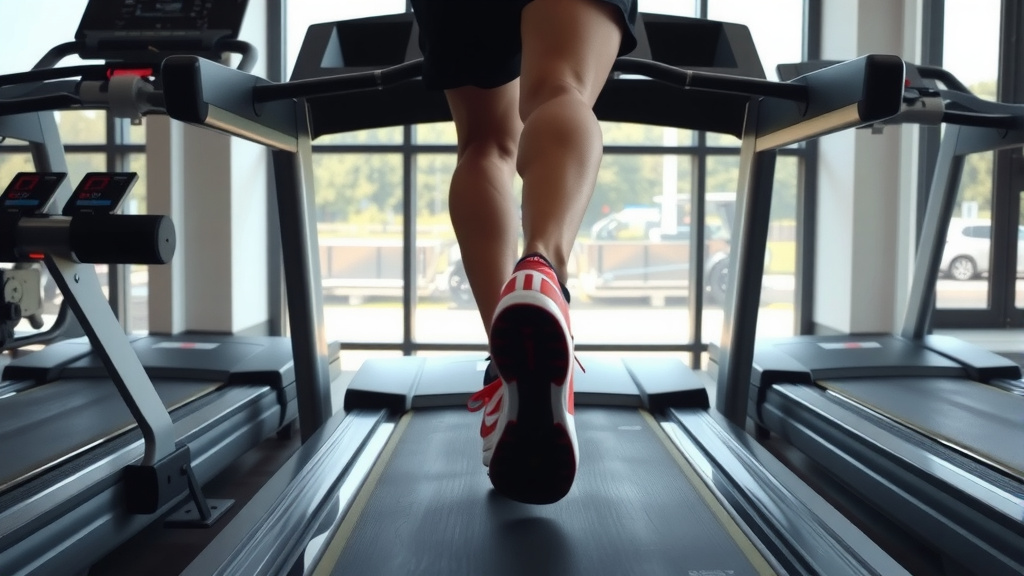
The question isn’t just “how fast is 10 mph,” but also “how long can you hold it?” For most people, sustaining 10 mph for more than 30-60 seconds is incredibly difficult. Elite athletes might be able to maintain it for a couple of minutes. We found that even experienced runners often use 10 mph as a short interval speed, not a steady pace for their entire workout.
Interval Training and 10 MPH
This is where 10 mph truly shines for many. High-Intensity Interval Training (HIIT) involves short bursts of maximum effort followed by periods of recovery. Setting your treadmill to 10 mph for 30 seconds, then dropping it to 5 mph for a minute, and repeating, is a fantastic way to build speed and endurance. It’s tough, but very effective.
Your Personal Benchmarks
It’s all about your personal journey. Don’t compare your 10 mph time to anyone else’s. Focus on your own progress. Can you run at 7 mph comfortably for 30 minutes? That’s a great achievement! Maybe you can hit 10 mph for 15 seconds today. With consistent training, perhaps you can hold it for 30 seconds next month. Celebrate your personal victories!
What About Treadmill Calibration?
Sometimes, treadmills aren’t perfectly calibrated. A speed setting of 10 mph might actually be slightly faster or slower in reality. If you’re training for a specific event where precise speeds matter, you might consider using a GPS watch or a fitness tracker that measures your pace independently. We found that regular treadmill maintenance can help ensure accuracy.
When is 10 MPH Too Fast?
If you’re feeling dizzy, nauseous, or experiencing sharp pains, 10 mph is definitely too fast for you right now. It’s also too fast if you can’t maintain good form. Pushing yourself is great, but not at the expense of your health and safety. Remember, the goal is consistent, safe, and effective exercise. Not every workout needs to be a sprint.
Your Checklist for Tackling Faster Speeds:
- Ensure you have proper running shoes.
- Always start with a dynamic warm-up.
- Gradually increase speed, don’t jump to max.
- Focus on maintaining good running form.
- Listen intently to your body’s signals.
- Include a cool-down walk after intense sprints.
Conclusion
So, we’ve established that 10 mph on a treadmill is a blazing fast sprint. It’s a speed that demands athleticism and a solid fitness base. For most people, it’s a challenge to sustain for more than a few seconds, often used in high-intensity interval training. Remember, consistency and listening to your body are key as you work towards your speed goals. Your next step? Safely incorporate short bursts at faster speeds into your routine and celebrate your personal progress.
Frequently Asked Questions
Is 10 mph on a treadmill the same as running outside?
While 10 mph is a fast speed in both settings, treadmills can feel slightly different. The moving belt assists your stride, but there’s no wind resistance. Some find treadmills easier, others harder. Your personal experience might vary.
How many calories can you burn at 10 mph?
Running at 10 mph burns a substantial amount of calories due to the high intensity. The exact number depends on your body weight, duration, and individual metabolism. You’ll burn more calories in a shorter time compared to slower speeds.
What kind of running shoes are best for treadmill sprints at 10 mph?
For sprints at 10 mph, you’ll want lightweight running shoes with good cushioning and responsiveness. Look for shoes designed for speed work or racing, offering a balance of support and flexibility to protect your feet.
Can I improve my ability to run at 10 mph over time?
Absolutely! Consistent training, focusing on interval workouts and gradually increasing your sprint duration, can significantly improve your speed endurance. Building strength and improving your running form are also vital components for reaching higher speeds.
What should I do if 10 mph feels too fast and I lose my balance?
If you feel unstable or lose your balance at 10 mph, it’s a clear sign to slow down immediately. Ensure you’re not holding onto the handrails too tightly, as this can disrupt your natural form. Gradually decrease the speed until you feel comfortable and in control.