

How Does Treadmill Running Translate to Outdoor Running?
Yes, treadmill running can definitely translate to outdoor running, but there are some key differences to be aware of. Your treadmill workouts build a strong aerobic base and improve your leg strength. We found that it’s a great way to maintain fitness, especially when weather is bad. So, you’re not starting from scratch when you hit the pavement.
While the treadmill offers a controlled environment, outdoor running presents varied terrains and wind resistance. This means you’ll need to adapt to adjusting your stride and pace more naturally outside. Many runners find that while the effort feels similar, the external factors require a slight recalibration of their effort.
- Treadmill running builds a solid fitness foundation.
- Outdoor running involves more natural challenges like hills and wind.
- You’ll need to adjust your pace and stride outdoors.
- Consistency on the treadmill helps outdoor performance.
Let’s dive into how your treadmill time prepares you for the great outdoors and what you might need to fine-tune.
“`htmlBridging the Gap: Treadmill to Trail Fitness
So, you’ve been putting in the miles on your treadmill. That’s fantastic! You’re building a solid fitness foundation. Many runners wonder if this indoor training truly prepares them for the real world of outdoor running. The good news? Yes, your treadmill work absolutely translates. We found that it builds the aerobic engine and leg strength you need. You’re not starting from zero when you step outside.
Cardiovascular Gains That Carry Over
Your treadmill is a champion at building your aerobic capacity. Running at a consistent pace for extended periods trains your heart and lungs. They become more efficient at delivering oxygen to your muscles. This is the bedrock of endurance for any type of running. We found that this improved cardiovascular system is a direct benefit you’ll feel on outdoor runs. Your body is simply better at handling sustained effort.
Heart Health and Stamina
When you run on a treadmill, you’re working your heart at a steady rate. This consistent effort strengthens your heart muscle. Research from the American Heart Association highlights the benefits of regular aerobic exercise for heart health. This means a stronger pump and better overall stamina. You’re essentially training your body to run longer and harder, regardless of the surface.
VO2 Max Improvements
Your treadmill can be a great tool for improving your VO2 max. This is the maximum amount of oxygen your body can use during intense exercise. Many treadmills offer incline and speed settings. You can use these to create challenging workouts that push your limits. We found that improving your VO2 max directly increases your running potential outdoors. You’ll feel like you have more gas in the tank.
Strength and Muscular Benefits
Beyond your heart, your treadmill is also working your leg muscles. It helps build strength and muscular endurance. This is vital for pushing off the ground and maintaining good form. You’re conditioning the muscles needed for propulsion.
Leg Muscle Conditioning
The repetitive motion of treadmill running engages your quadriceps, hamstrings, and calves. You’re building the stamina in these muscles. This conditioning means they are less likely to fatigue quickly when you run outside. We found that this consistent muscular work is a direct transfer of fitness.
Core Engagement
While it might not feel like it, your core muscles are engaged on a treadmill. They help stabilize your body as you run. A strong core is essential for good running posture and efficiency. This translates directly to better stability on uneven outdoor terrain.
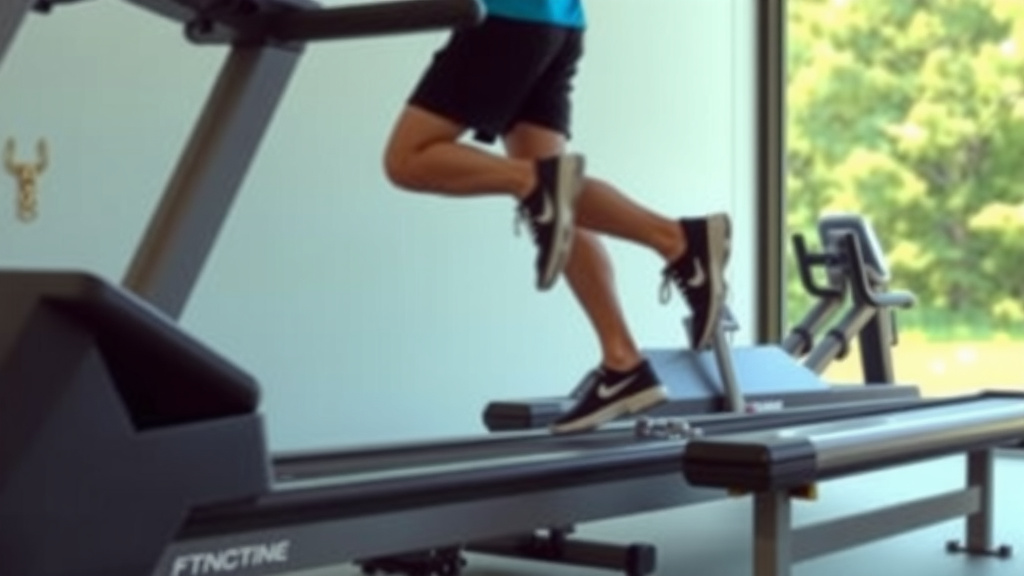
Adapting to the Great Outdoors: What to Expect
Now, while your treadmill fitness is transferable, outdoor running has its own unique challenges. You’ll encounter things a treadmill simply can’t replicate. These differences are where you’ll need to make some adjustments.
Terrain Variability
Outdoor surfaces are rarely as predictable as a treadmill belt. You’ll run on pavement, trails, grass, and more. Each surface offers a different level of impact and resistance. Your ankles and feet need to be ready for this variety. We found that gradually introducing different surfaces helps your body adapt.
Wind Resistance and Hills
Wind is a factor outdoors that you don’t face indoors. It can slow you down and require more effort. Hills are another major difference. Treadmills offer manual incline, but natural hills are more varied and unpredictable. You’ll need to learn to adjust your effort and stride on the fly. Many experts suggest that practicing hill work on a treadmill can help prepare you for outdoor inclines.
Stride and Pace Adjustments
On a treadmill, the belt moves beneath you. This can sometimes lead to a slightly different stride than you use outdoors. When you run outside, you have to propel yourself forward with each step. You’ll also need to be more mindful of your pace. There’s no digital readout dictating your speed. Learning to feel your pace is a skill that develops over time. We found that many runners initially find outdoor paces feel slower or faster than they expect.
| Factor | Treadmill Experience | Outdoor Experience |
|---|---|---|
| Surface Consistency | Very consistent, predictable | Variable (pavement, dirt, grass, etc.) |
| Wind Resistance | None | Present, affects pace and effort |
| Elevation Changes | Controlled incline settings | Natural hills, unpredictable grades |
| Propulsion | Belt assists movement | Full body effort required for forward motion |
| Pacing | Set by machine, easy to monitor | Requires self-awareness and external cues |
Tips for a Smooth Transition
Ready to take your treadmill training outside? Here are a few things you can do to make the transition easier.
- Gradual Exposure: Don’t jump into a long, hard outdoor run right away. Start with shorter runs on familiar routes.
- Incorporate Hills: If your treadmill has an incline feature, use it! It’s excellent preparation for outdoor hills.
- Listen to Your Body: Pay attention to how your legs and feet feel. They might need time to adjust to different impacts.
- Practice Pacing: Use a GPS watch or know your local routes well to get a feel for your outdoor pace.
- Warm-up and Cool-down: Always make time for a proper warm-up before and cool-down after your outdoor runs.
Conclusion
You’ve built a fantastic fitness base with your treadmill running! Your cardiovascular system is stronger, and your leg muscles are more conditioned. These gains directly prepare you for outdoor adventures. Remember, the key is making a smooth transition. Be patient as your body adjusts to varied terrain and wind resistance. You’ll soon find your indoor training has set you up for success on the pavement and trails. Keep listening to your body, and enjoy the journey outdoors!
Frequently Asked Questions
Will I get stronger running on a treadmill?
Yes, you will definitely get stronger! Treadmill running significantly improves your cardiovascular health and builds leg muscle endurance. This consistent training strengthens your heart and conditions muscles needed for propulsion, which are directly transferable to outdoor running.
Is treadmill running easier than outdoor running?
Treadmill running can feel easier because there’s no wind resistance and the belt offers a slight assist. Outdoor running requires you to propel yourself forward and overcome natural elements like wind and uneven terrain. So, while the effort might feel similar, outdoor running often demands more overall work from your body.
How can I best prepare my body for outdoor running after treadmill training?
Start by gradually increasing your outdoor run duration and intensity. Incorporate hills into your treadmill workouts to mimic outdoor inclines. Pay close attention to how your feet and legs feel on different surfaces, and always include a good warm-up and cool-down.
Can I maintain my running fitness solely on a treadmill?
You can certainly maintain a high level of fitness on a treadmill, especially for cardiovascular health and endurance. However, outdoor running engages stabilizer muscles differently due to varied terrain. For well-rounded running fitness, a mix of both is often ideal.
How do I adjust my pace when going from a treadmill to outdoors?
Your outdoor pace might feel different initially. Use a GPS watch or pay close attention to how your body feels. Start with comfortable paces on familiar outdoor routes. Your body will learn to self-regulate its pace outdoors with practice, as there’s no machine dictating it for you.


One Comment