Treadmill Incline: What’s the Maximum You Can Go
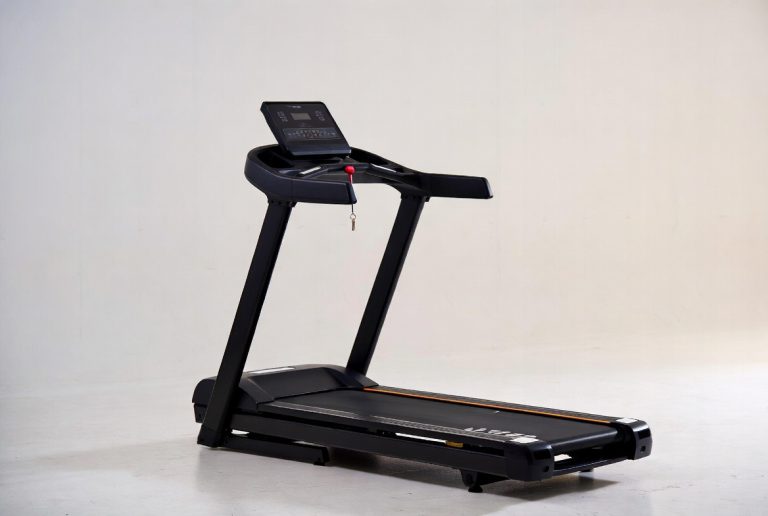
Most treadmills can go up to a 10% or 15% incline. Some high-end models might offer even more. This range allows for a good variety of workouts, from light walking to intense hill climbs. You’ll typically find incline settings between 0% and 15% on home treadmills.
The maximum incline on a treadmill depends on its make and model. Cheaper treadmills might top out at 10%. More robust machines often reach 15% or even 20%. Understanding your treadmill’s capabilities helps you plan your training effectively and safely.
- Most treadmills reach 10-15% incline.
- Higher-end models can go up to 20%.
- Incline levels vary by brand and price.
- Check your treadmill’s manual for exact specs.
- Incline is measured in percent (%).
Let’s dive into what those numbers mean for your workouts and how to use them effectively.
Understanding Your Treadmill’s Incline Capabilities
So, you’ve stepped onto your treadmill, and you’re wondering about that little button that changes the angle. What does it do, and how high can it really go? We’ve already touched on the typical ranges, but let’s dig a little deeper. Most home treadmills are designed to mimic outdoor inclines, ranging from a gentle rise to a challenging climb. Understanding these settings is key to getting the most out of your workouts and reaching your fitness goals safely. Our guide on how to adjust your treadmill’s incline can help you use these settings.
What Does Treadmill Incline Actually Mean?
Incline on a treadmill refers to the degree to which the belt is tilted upwards. It’s measured as a percentage. A 0% incline means the belt is flat, just like walking on a level surface. As you increase the percentage, the front of the treadmill lifts, making it feel like you’re walking or running uphill. This simple adjustment can dramatically change the intensity of your workout without you having to increase your speed.
Why Percentage Matters
The percentage is a way to standardize incline levels across different machines. A 10% incline means for every 100 feet you travel horizontally, the treadmill rises 10 feet vertically. This is a pretty steep hill in real-world terms! Different percentages target different muscle groups and offer varied cardiovascular benefits. Knowing this helps you make informed choices about your workout intensity.
Typical Incline Ranges and What They Offer
We’ve seen that most treadmills fall within a certain range, but what does that actually mean for your training? Let’s break down the common incline levels and their benefits. Think of it as a dial you can turn to customize your exercise experience.
The Standard 10% Incline Limit
Many popular treadmill models, especially those aimed at home use or at a more budget-friendly price point, will have a maximum incline of 10%. This is still a very respectable range! A 10% incline is equivalent to a fairly steep hill you might encounter on a hiking trail. It’s enough to give your leg muscles a good workout and significantly boost your heart rate.
Benefits of a 10% Max Incline
Even with a 10% limit, you can achieve a very effective workout. This level is great for simulating moderate climbs. It allows you to:
- Build lower body strength: Your glutes, hamstrings, and calves will feel the burn.
- Increase calorie burn: Walking or running uphill burns more calories than on a flat surface.
- Improve cardiovascular health: Your heart and lungs work harder, improving endurance.
- Reduce impact: Sometimes, walking at an incline can feel less jarring than running at high speeds.
The Higher-End 15% Incline and Beyond
As you move up in treadmill quality and price, you’ll often find machines that can go to 15% or even higher. A 15% incline is quite substantial – imagine tackling a serious mountain trail! These higher settings are designed for users who want to push their limits or focus on specific training goals.
What You Gain with Higher Incline Options
If your treadmill offers 15% or more, you have a wider spectrum of workout possibilities. This means:
- More intense strength training: You can target leg muscles even more intensely.
- Simulate steeper terrain: Great for marathon training or hikers preparing for challenging hikes.
- Greater calorie expenditure: The steeper the incline, the more energy you use.
- Variety in training: You can easily switch between flat sprints and challenging hill climbs in the same session.
Factors Influencing Your Treadmill’s Incline Limit
It’s not just about wanting a steeper hill; the actual physical construction and electronics of your treadmill determine its maximum incline. Several factors play a role in this. Let’s look at what makes one treadmill reach higher than another.
Motor Power and Frame Stability
Lifting and holding the belt at a steep angle requires a strong motor. Cheaper treadmills often have less powerful motors that can struggle with prolonged high inclines. A more robust frame is also necessary to handle the increased stress. We found that sturdy construction is often a good indicator of a machine’s ability to handle higher inclines consistently (Mayo Clinic).
Brand Reputation and Price Point
Generally speaking, well-known fitness brands that focus on durable equipment tend to offer higher incline capabilities. The price tag often reflects the quality of the motor, the sturdiness of the frame, and the overall engineering. If a treadmill feels flimsy on a flat surface, it’s unlikely to perform well at its maximum incline.
Specific Model Features
Always check the specifications for the exact treadmill model you’re interested in or own. The user manual is your best friend here. It will clearly state the maximum incline percentage. Some models might have unique features or limitations that aren’t immediately obvious.
How to Use Incline Safely and Effectively
Now that you know how high your treadmill might go, let’s talk about making the most of it without pushing yourself too hard, too fast. Safety is always the priority!
Start Gradually
If you’re new to using incline, begin with lower settings, like 1% or 2%. Gradually increase the incline over several workouts as your body adapts. Don’t jump straight to 10% if you’re not used to it – that’s a recipe for sore muscles and potential injury.
Listen to Your Body
Pay attention to how you feel. If you experience sharp pain, stop immediately. It’s normal to feel muscle fatigue, but pain is a warning sign. Consider your fitness level and any pre-existing conditions. Consulting with a healthcare provider or physical therapist is always a good idea before starting a new, more intense workout regimen.
Incorporate Incline into Your Routine
Think about how incline can enhance your current workouts. You can use it for:
- Warm-ups: A few minutes at a low incline can prepare your muscles.
- Main workout: Integrate hill intervals – alternate between flat running and steep climbs.
- Cool-downs: A gentle incline can help ease your heart rate down.
Consider the Speed-Incline Trade-off
Remember, you can increase intensity by either raising the speed or raising the incline. Sometimes, walking at a brisk pace on a steep incline can be just as challenging and beneficial as running at a faster speed on a flat surface. This can be a great way to reduce impact while still getting a tough workout.
Here’s a quick checklist to keep in mind:
- Check your manual for your treadmill’s maximum incline.
- Start low and gradually increase incline levels.
- Listen to your body for any signs of pain.
- Incorporate incline into different parts of your workout.
- Adjust speed and incline to find your perfect challenge.
- Stay hydrated and cool down properly after each session.
Conclusion
You’ve learned that most treadmills offer an incline range of 10% to 15%, with some premium models reaching higher. This versatility allows you to tailor workouts for strength, endurance, and calorie burn. Remember, the best incline for you depends on your fitness goals and your treadmill’s capabilities. Always check your manual to understand your machine’s limits. Now, take that knowledge and start planning your next challenging uphill workout!
Frequently Asked Questions
What is the average maximum incline on a home treadmill?
On average, most home treadmills have a maximum incline of 10% to 15%. Cheaper models might top out at 10%, while more advanced or expensive units often reach 15% or sometimes even 20%.
Can I damage my treadmill by using the maximum incline?
Using the maximum incline shouldn’t damage a well-maintained treadmill if it’s within its design limits. However, frequently pushing a lower-quality machine to its absolute maximum might lead to faster wear and tear on the motor and frame.
Is a 15% incline the same on all treadmills?
While the percentage aims for standardization, the actual feel and effort required for a 15% incline can vary slightly between treadmill brands and models due to differences in motor power, frame stability, and motor calibration.
How does treadmill incline compare to real-world hills?
A 10% incline on a treadmill is often compared to a steep hiking trail, while a 15% incline simulates a more challenging hill. The exact comparison depends on the terrain and gradient of the real-world hill.
Should I prioritize incline or speed for my workout?
It depends on your goals. For building leg strength and simulating hills, focus on incline. For cardiovascular endurance and speed training, focus on speed. You can also combine them for varied, intense workouts.