How Does Walking on a Treadmill Help Lose Weight?
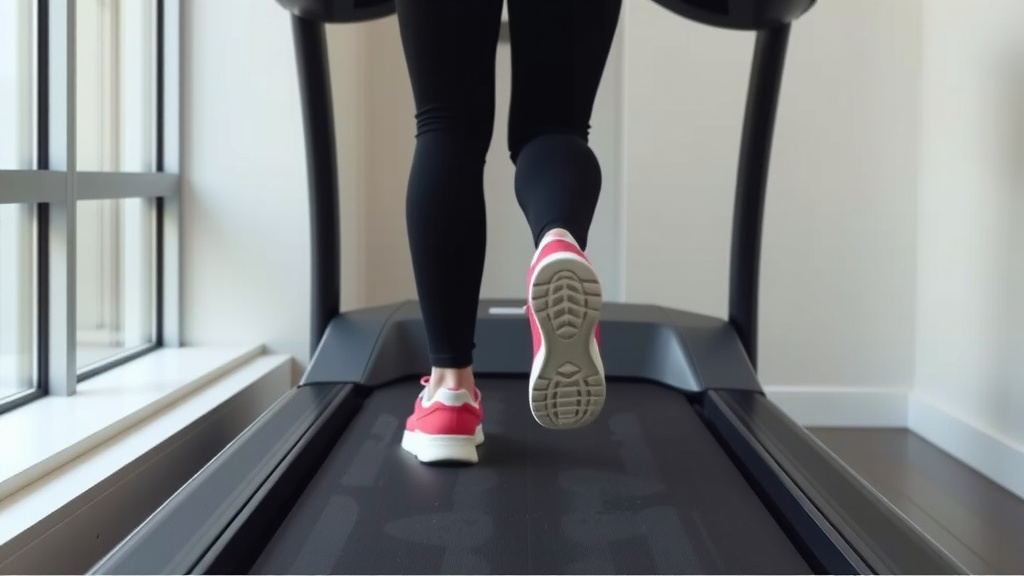
Yes, walking on a treadmill can absolutely help you lose weight. It’s a fantastic way to burn calories and build endurance. By consistently using a treadmill, you can create a consistent calorie deficit needed for weight loss.
Treadmills offer a controlled environment for your workouts. This means you can easily track your progress and adjust intensity. Many people find them more convenient than outdoor walking, especially when weather is a factor. They are a great tool in your fitness journey.
- Treadmills burn calories, leading to weight loss.
- Consistency is key for seeing results.
- You control the intensity and duration of your workout.
- It’s a convenient way to stay active.
Let’s walk through exactly how adding a treadmill to your routine can help you shed those extra pounds.
How Treadmill Walking Fuels Your Weight Loss Journey
So, you’re wondering how hitting the treadmill actually helps you shed those extra pounds? It all boils down to a simple, yet powerful, principle: burning calories. When you walk or run on a treadmill, you’re expending energy. This energy comes from the food you eat. To lose weight, you need to burn more calories than you consume. This is often called a calorie deficit.
Think of your body like a car. It needs fuel (calories) to run. When you exercise on a treadmill, you’re essentially using up more fuel. If you don’t replace all that used fuel with extra food, your body starts looking for stored fuel. That stored fuel is your body fat. So, by consistently walking on the treadmill, you’re telling your body to tap into those reserves.
The Science of Burning Calories on a Treadmill
Every step you take on a treadmill requires energy. Your muscles contract, your heart pumps faster, and your lungs work harder. All of these bodily functions burn calories. The number of calories you burn depends on a few key factors:
Your Body Weight
Generally, the more you weigh, the more calories you’ll burn. This is because a heavier body needs more energy to move. So, if you’re carrying a bit more weight, you might see faster results initially. We found that a person weighing 150 pounds burns fewer calories per mile than someone weighing 200 pounds, even at the same pace (Mayo Clinic).
The Intensity of Your Workout
This is where the treadmill really shines. You have complete control over the intensity. Walking at a brisk pace burns more calories than a leisurely stroll. Running burns even more. You can adjust the speed and the incline to make your workout more challenging.
The Duration of Your Workout
The longer you stay on the treadmill, the more calories you’ll burn. A 30-minute brisk walk will burn more calories than a 15-minute one. Consistency is key here. Aim for regular sessions to maximize your calorie burn over time.
Understanding the Calorie Deficit for Weight Loss
To lose one pound of fat, you generally need to create a deficit of about 3,500 calories. This might sound like a lot, but it’s achievable with a combination of diet and exercise. For example, if you create a daily deficit of 500 calories through diet and treadmill workouts, you could lose about a pound a week. This is a sustainable rate of weight loss recommended by health professionals.
Let’s look at some estimated calorie burn rates. These are just estimates, and your actual burn might vary. We found that a 30-minute brisk walk (about 3.5 mph) can burn approximately 150-200 calories for a 150-pound person. Increasing the speed to a jog (5 mph) could double that burn.
Making Treadmill Walking Work for You
Simply hopping on the treadmill isn’t always enough. You need to use it strategically to see the best weight loss results. It’s about making your workouts effective and enjoyable enough to stick with.
The Power of Incline and Speed
Don’t underestimate the incline feature! Walking on an incline significantly increases the calorie burn. It engages your glutes and hamstrings more. Many experts suggest using the incline feature regularly to boost your workout’s effectiveness (Cleveland Clinic). A study published in the Journal of Strength and Conditioning Research found that adding incline to your walk can increase energy expenditure by up to 15%.
Experiment with different speeds and inclines. You can start with a moderate pace and a slight incline. Then, gradually increase both as you get fitter. Interval training on the treadmill is also fantastic. This involves alternating between periods of high intensity (faster speed or higher incline) and lower intensity recovery periods.
Tracking Your Progress
Most treadmills come with built-in consoles that track your time, distance, speed, and sometimes even estimated calories burned. While the calorie estimates aren’t always perfectly accurate, they provide a good benchmark. Seeing your progress can be a huge motivator. You can also use fitness trackers or apps to get a more personalized view of your activity and calorie expenditure.
Recording your workouts helps you see how far you’ve come. Did you walk further today than last week? Was your pace faster? These small wins add up and keep you motivated. Remember, consistency over time is more important than a single heroic workout.
Consistency is Your Best Friend
Losing weight on a treadmill isn’t about a one-time effort. It’s about building a habit. Aim for regular treadmill sessions, several times a week. Even 20-30 minutes of moderate-intensity walking most days can make a substantial difference. The Centers for Disease Control and Prevention (CDC) recommends at least 150 minutes of moderate-intensity aerobic activity per week for adults.
Think of it like saving money. Putting a little away regularly adds up over time. The same applies to your calorie burn. Consistent workouts build up that calorie deficit steadily. If you miss a day, don’t beat yourself up. Just get back on track the next day. Life happens!
Treadmill vs. Outdoor Walking for Weight Loss
Both treadmill walking and outdoor walking can help you lose weight. However, treadmills offer some unique advantages for weight management.
| Feature | Treadmill Advantage | Outdoor Walking Advantage |
|---|---|---|
| Control | Precise control over speed, incline, and duration. Easy to measure progress. | Variable terrain, natural environment, fresh air. |
| Convenience | Workout anytime, regardless of weather. Safe and predictable surface. | Can be weather-dependent. Potential for uneven surfaces. |
| Intensity | Easier to maintain consistent, high intensity. Incline feature boosts calorie burn. | Natural variations can add challenge, but harder to control precisely. |
For many people, the ability to control the workout and avoid external factors like weather or traffic makes the treadmill a more reliable tool for consistent calorie burning and weight loss. It removes many barriers that can derail outdoor workouts.
Your Treadmill Weight Loss Checklist
Ready to make the treadmill work for your weight loss goals? Keep these tips in mind:
- Set Realistic Goals: Aim for gradual, sustainable weight loss.
- Warm-Up and Cool-Down: Always start and end your workouts gently.
- Vary Your Workouts: Mix up speed, incline, and duration to keep it interesting.
- Stay Hydrated: Drink plenty of water before, during, and after your walk.
- Listen to Your Body: Rest when you need to and don’t push through pain.
- Combine with Diet: Remember that diet plays a huge role in weight loss.
Conclusion
You now understand how walking on a treadmill can be a powerful tool for weight loss. By creating a calorie deficit through consistent effort, you’re effectively tapping into your body’s fat stores. Remember that factors like your weight, workout intensity, and duration all play a role in how many calories you burn. Don’t forget to utilize features like incline and speed to maximize your results. Ready to start? Your next step is to schedule your first treadmill session this week and begin building that healthy habit.
Frequently Asked Questions
How many calories can I expect to burn walking on a treadmill?
The calories you burn depend on your weight, how fast you walk, and for how long. For example, a 150-pound person walking at 3.5 mph for 30 minutes might burn around 150-200 calories. Research shows that increasing speed or incline significantly boosts this number.
Can I lose weight with just treadmill walking, or do I need to diet too?
While treadmill walking is excellent for burning calories, diet plays a huge role in weight loss. Health professionals recommend a combination of exercise and a healthy diet for sustainable results. Aiming for a daily 500-calorie deficit through both diet and exercise is a common strategy.
Is it better to walk on an incline or at a faster speed on the treadmill for weight loss?
Both offer benefits, but using the incline feature can increase calorie expenditure without necessarily increasing impact. Many experts suggest incorporating incline regularly. Interval training, which mixes speeds and inclines, is also very effective for boosting your metabolism.
How often should I use the treadmill to see weight loss results?
Consistency is key! The CDC recommends at least 150 minutes of moderate-intensity aerobic activity per week. Aim for 30-minute sessions most days of the week. Regular workouts build up your calorie deficit over time for steady weight loss.
Can treadmill walking help build muscle for weight loss?
Walking primarily burns calories and can help improve cardiovascular fitness. While it engages leg muscles like your glutes and hamstrings, especially with incline, it’s not typically considered a primary muscle-building exercise. For significant muscle gain, you’d likely need to incorporate strength training.