
Treadmill Incline: How High Should You Go for Best Results
Yes, using a high incline on your treadmill can be a fantastic way to boost your workout. It engages different muscles, increases calorie burn, and is easier on your joints than running. You get a more challenging workout without necessarily increasing your speed.
Think of it as climbing stairs or a steep hill, but in a controlled gym environment. Many find it helps them reach their fitness goals faster. Plus, it’s a great way to add variety to your cardio routine and avoid hitting a plateau. It can also help improve your cardiovascular health.
- High incline burns more calories.
- It targets leg and glute muscles effectively.
- It’s a lower-impact alternative to intense running.
- You can vary your workout intensity easily.
- It helps build endurance and strength.
Ready to take your treadmill workouts up a notch? Let’s walk through how to best utilize that incline feature. Let’s walk through how to best utilize that incline feature.
“`htmlGetting the Most from Your Treadmill’s Incline Feature
So, you’re looking to spice up your treadmill routine. That incline button is calling your name! Using a high incline can transform your workout. It’s like adding a challenging hike right in your living room or gym. You can burn more calories and build stronger muscles. Plus, it can be kinder to your body than pounding the pavement at high speeds.
Why Dial Up the Incline?
You might be wondering what makes cranking up the incline so effective. It’s all about making your body work harder against gravity. This simple adjustment changes everything about your exercise. We’ve found that even a small incline can make a big difference.
Boosting Calorie Burn
The most talked-about benefit is the increased calorie expenditure. When you climb uphill, your muscles work overtime. This requires more energy, which means burning more calories. Research shows that increasing the incline can significantly boost your metabolic rate during your workout (National Institutes of Health).
Think of it this way: walking on a flat surface is like strolling through a park. Walking up a steep hill requires much more effort. Your heart rate goes up, and your body needs more fuel. That’s why you’ll torch more calories by using the incline feature effectively.
Targeting Specific Muscles
When you raise the incline, your workout shifts its focus. Your hamstrings and glutes get a serious workout. These are the large muscles at the back of your legs and your buttocks. They are essential for powerful movements.
You’ll also feel your calves working harder. They help push you up that virtual hill. Even your core muscles engage more to keep you balanced and stable. It’s a fantastic way to build strength in your lower body without lifting weights.
Reducing Joint Impact
Running can be tough on your knees and ankles. High impact can lead to injuries if you’re not careful. However, walking or jogging at a high incline can reduce stress on your joints. This is because you’re moving at a slower pace.
You’re not landing with the same force as you would on a flat surface. It’s a lower-impact cardio option. This makes it a great choice for people recovering from injuries. It’s also ideal for those who experience knee pain during high-impact activities. Many experts recommend incline walking as a joint-friendly alternative (Mayo Clinic).
Improving Cardiovascular Health
Pushing yourself on an incline challenges your heart and lungs. Your cardiovascular system has to work harder to deliver oxygen to your muscles. This type of training is excellent for building endurance.
Consistent incline workouts can lead to a stronger heart and improved lung capacity. This translates to better overall fitness. You might find everyday activities feel easier. Your stamina will likely increase.
How to Use the Incline Effectively
Now that you know why it’s great, let’s talk about how to actually do it. It’s not just about hitting the highest number. It’s about finding the right level for you. We want you to feel challenged but also safe.
Start Gradually
If you’re new to incline training, don’t go all-in immediately. Start with a small incline, perhaps 2-3%. Walk at a comfortable pace for about 5-10 minutes. Get a feel for how your body responds.
Once you’re comfortable, you can slowly increase the incline over subsequent workouts. Aim for gradual increases. This helps prevent muscle soreness and potential injuries. Listen to your body; it will tell you when it’s ready for more.
Find Your Sweet Spot
What’s the “right” incline? It depends on your fitness level and goals. For a moderate workout, try 4-7%. You should be able to talk, but it will be a bit of a struggle.
For a more intense session that really targets your glutes and hamstrings, aim for 8-12% or even higher. You’ll likely need to slow your pace significantly. Some fitness studies suggest that inclines of 10% or more can mimic stair climbing very effectively (NCBI).
Adjust Speed and Incline Together
The magic happens when you combine incline and speed. You don’t always have to max out the incline. Sometimes, a moderate incline with a brisk walk is perfect. Other times, a higher incline with a slower pace is ideal. The magic happens when you combine incline and speed.
Consider a structured interval workout. You could alternate between higher incline/lower speed periods and lower incline/higher speed periods. This type of training is excellent for boosting your metabolism and improving cardiovascular fitness.
Maintain Good Posture
When you’re on an incline, your natural tendency might be to lean forward. Try to avoid this. Keep your back straight and your shoulders back. Imagine a string pulling you up from the crown of your head.
Keep your core engaged. This will help you maintain balance and prevent strain on your lower back. Your arms should swing naturally. Don’t grip the handrails too tightly; use them for balance if needed, but try to keep your hands free as much as possible.
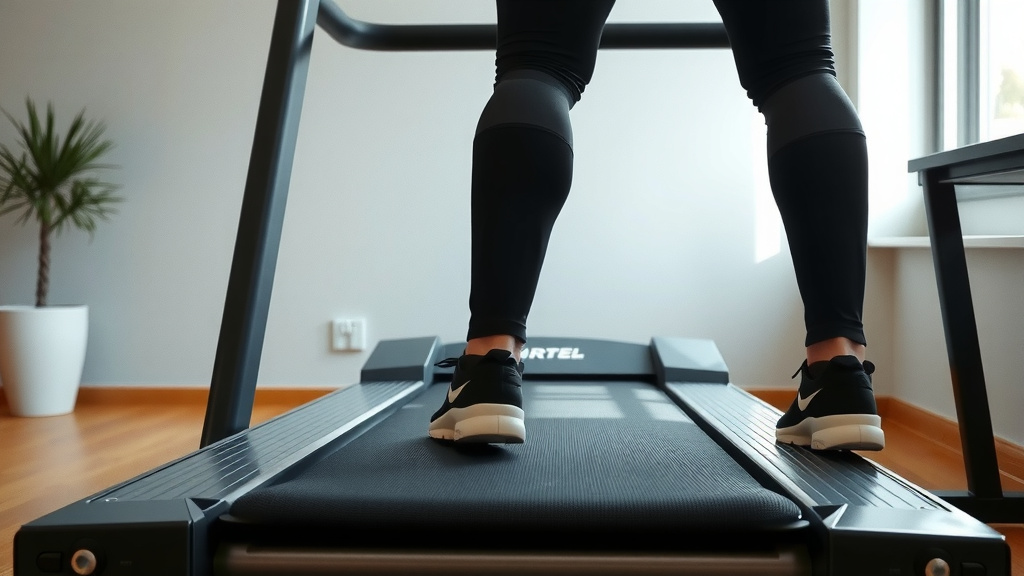
Sample Incline Workout Structure
Ready to put it into practice? Here’s a sample workout you can try. Remember to adjust it based on your current fitness level.
| Phase | Duration | Incline (%) | Speed (mph) | Focus |
|---|---|---|---|---|
| Warm-up | 5 minutes | 1-2% | 2.5-3.0 | Gentle walking, prepare muscles |
| Incline Climb 1 | 5 minutes | 6-8% | 2.5-3.0 | Build leg and glute strength |
| Moderate Pace | 5 minutes | 2-3% | 3.0-3.5 | Cardio recovery and endurance |
| Incline Climb 2 | 5 minutes | 8-10% | 2.0-2.5 | Intense glute and hamstring focus |
| Active Recovery | 5 minutes | 1-2% | 2.5-3.0 | Slow walk, gradual heart rate decrease |
| Cool-down | 5 minutes | 0% | 2.0-2.5 | Stretching, final heart rate lowering |
Listen to Your Body!
It’s easy to get excited about pushing limits, but safety comes first. If you feel sharp pain, stop immediately. Dizziness or lightheadedness also means it’s time to rest. Your body is your best guide.
Trying new things with your workout is great. Just make sure you’re doing it smartly. Happy climbing!
“`Conclusion
You’ve learned that cranking up the treadmill incline is more than just a trick; it’s a powerful tool. It torches more calories, builds stronger legs and glutes, and is gentler on your joints than hard running. By starting slow and listening to your body, you can safely ramp up the challenge.
Ready to feel the burn and see the results? Your next step is to plan your first incline workout, perhaps trying the sample structure provided. Start with a comfortable incline and pace, and gradually push yourself as you get stronger. Happy climbing!
Frequently Asked Questions
What is considered a “high” incline on a treadmill?
A “high” incline is subjective and depends on your fitness level. Generally, anything above 8% is considered challenging. For beginners, 4-6% might feel high, while advanced users might aim for 10% or more.
Can I do a high incline workout every day?
It’s not recommended to do intense high incline workouts daily. Your muscles, especially your calves and glutes, need time to recover. Aim for 2-3 high incline sessions per week, allowing rest days in between.
How does treadmill incline compare to outdoor hill climbing?
Treadmill incline offers a controlled environment for hill training. Outdoor hills can be uneven and unpredictable, increasing injury risk. The treadmill incline lets you precisely control the grade and speed for a consistent challenge.
What if I feel pain in my calves using the incline?
Calf pain can indicate your muscles are working harder than they’re used to. Ensure you’re properly warmed up and consider slightly lowering the incline. You might also benefit from calf stretches after your workout.
Is it better to increase incline or speed for a tougher workout?
Increasing incline generally provides a more intense workout for your glutes and hamstrings with less joint impact. Increasing speed primarily boosts cardiovascular demand and engages leg muscles differently. Often, a combination of both offers the best results.