How Do Treadmills Measure Heart Rate?
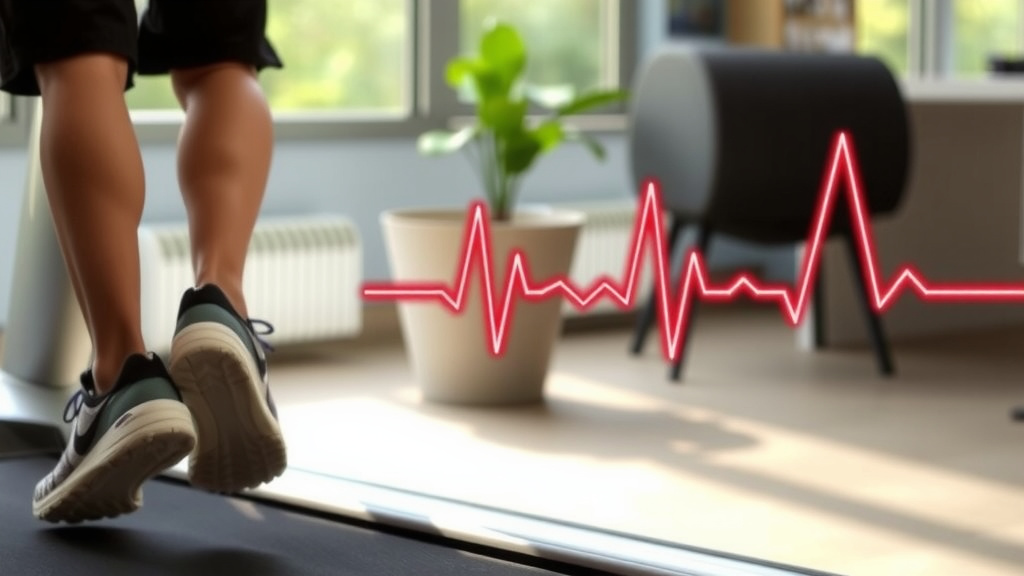
Treadmills measure your heart rate using sensors, most commonly your hands or your chest. These sensors detect the tiny electrical signals your heart produces or the blood flow changes in your fingertips. The treadmill then translates this data into beats per minute shown on the console. It’s a pretty neat way to track your cardio fitness during a workout.
While most treadmills use built-in handgrip sensors for convenience, many fitness enthusiasts prefer a chest strap heart rate monitor. Chest straps often provide a more accurate reading because they are less affected by movement. Both methods offer a quick glimpse into how hard your heart is working.
- Treadmills use sensors to track heart rate.
- Handgrip sensors and chest straps are common.
- Sensors detect electrical signals or blood flow.
- The treadmill displays your heart rate in beats per minute.
- Chest straps generally offer higher accuracy.
Let’s walk through exactly how these different types of sensors work and what makes one more accurate than the other.
How Your Treadmill Tracks Your Heartbeat
Treadmills use sensors to get a read on your heart rate. These sensors are usually built right into the machine. You’ll find them on the handlebars. Sometimes, they are separate devices you wear. We’ll look at how each of these works. They translate the data into a number you can see on the console. This number is your heart rate in beats per minute, or BPM.
The Handgrip Sensor Method
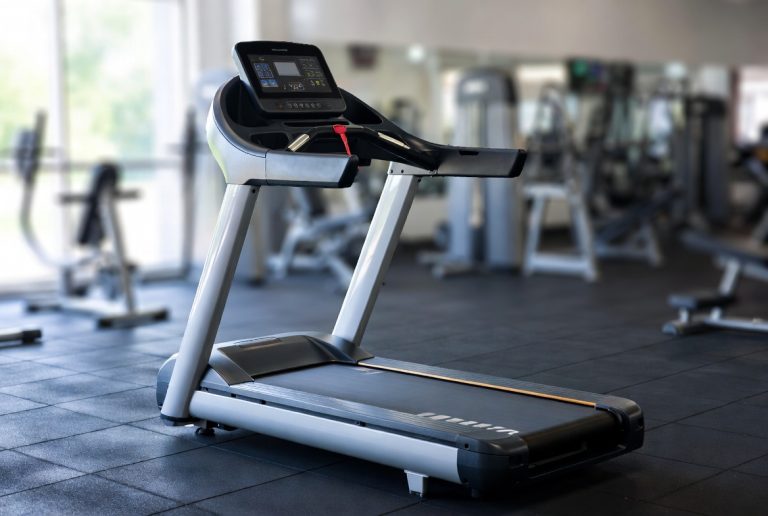
Most treadmills have handgrip sensors. These are metal plates on the handlebars. They work by detecting changes in your blood flow. When your heart beats, it pumps blood. This creates a pulse. The sensors pick up these subtle changes. They do this using a process called photoplethysmography (PPG).
How PPG Works with Handgrips
Imagine a tiny light source and a sensor. The handgrip has these components. The light shines into your fingertip. Blood absorbs some of this light. More blood means more absorption. As your heart beats, the amount of blood in your fingertip changes. The sensor measures how much light gets through. It then calculates how often these changes occur. This tells the treadmill how fast your heart is beating.
Accuracy Concerns with Handgrips
While convenient, handgrip sensors aren’t always perfectly accurate. This is because they rely on steady contact. If you move your hands a lot while running or walking, the signal can get messy. You might be gripping too hard or too loosely. Sweat can also interfere with the reading. Many experts say it’s best to hold on lightly and consistently for the most reliable data (Cleveland Clinic).
When Handgrips Work Best
These sensors are great for steady, moderate workouts. If you’re walking or doing a light jog, they’ll likely give you a good estimate. They are also super easy to use. Just grab the bars and go. For intense workouts or if you need precise numbers, you might want a different option.
The Chest Strap Heart Rate Monitor
For many fitness buffs, a chest strap is the go-to. This is a separate piece of equipment. You wear it around your chest, just below your pectoral muscles. It works differently than handgrip sensors. It detects the electrical signals your heart actually produces.
Electrical Signals: The Heart’s Own Rhythm
Every time your heart beats, it sends out a small electrical impulse. These impulses tell your heart muscles to contract. A chest strap has electrodes that are sensitive to these electrical signals. When the strap is snug and moist (from sweat or a little water), it picks up these tiny electrical pulses very clearly.
Why Chest Straps Are More Accurate
Experts often point to chest straps for superior accuracy. This is because they directly measure the heart’s electrical activity. This method is less prone to interference from movement. Your arms can be swinging freely. The reading stays stable. Research has shown chest straps to be more consistent with medical-grade EKG readings than other consumer devices (Mayo Clinic).
Connecting Your Chest Strap to the Treadmill
Most modern chest straps use Bluetooth or ANT+ technology. Your treadmill needs to be compatible with these signals. You usually pair the strap with the treadmill console through its settings menu. Once connected, the treadmill will display the data from the strap.
Comparing the Two Methods
Let’s break down the pros and cons of each method. It helps to see them side-by-side.
| Feature | Handgrip Sensors | Chest Strap Monitor |
|---|---|---|
| How it works | Detects blood flow changes (PPG) | Detects electrical signals |
| Accuracy | Good for steady state, less accurate with movement | High accuracy, less affected by motion |
| Convenience | Very convenient, built-in | Requires separate device, can be less comfortable initially |
| Best for | Casual walkers, light joggers, ease of use | Serious athletes, high-intensity workouts, precision tracking |
Other Ways Treadmills Might Estimate Heart Rate
Some high-end treadmills might use even more advanced methods. These could include integrated cameras that analyze subtle color changes in your face. These changes are linked to blood flow. However, these are not yet common. For now, handgrips and chest straps are your main options.
Tips for Getting the Best Heart Rate Reading
No matter which method you use, a few tips can help improve your readings. These are simple adjustments that can make a difference.
- Ensure good contact with handgrip sensors.
- Keep handgrips dry for better signal.
- Moisten electrodes on chest straps.
- Wear chest straps snugly but comfortably.
- Stay consistent in your grip if using handgrips.
- Check treadmill console for pairing status.
By understanding how these sensors work, you can use your treadmill more effectively. You’ll get a better picture of your workout intensity. This helps you reach your fitness goals faster.
Conclusion
You’ve learned how treadmills use handgrip sensors and chest straps to track your heart rate. Handgrips detect blood flow using PPG, offering convenience but less accuracy with movement. Chest straps use electrical signals, providing a more precise reading, especially during intense workouts. Understanding these differences helps you choose the best method for your fitness goals. Now you can use your treadmill with more confidence, ensuring you’re working out at the right intensity to reach your personal best.
Frequently Asked Questions
Can my treadmill track my heart rate without me touching anything?
Most standard treadmills require you to use the handgrip sensors or a connected chest strap. Some very high-end models might have advanced camera systems to estimate heart rate by looking at facial color changes, but this is not common yet. For now, direct contact or a separate device is usually needed.
Why is my treadmill heart rate reading so different from my smartwatch?
Differences often come down to the technology used. Treadmill handgrips can be less accurate due to movement and grip inconsistency. Smartwatches use optical sensors on your wrist, which can also be affected by movement. Chest straps are generally the most consistent for accuracy.
How often should I clean my treadmill’s heart rate sensors?
It’s a good idea to wipe down your handgrip sensors after each workout with a damp cloth. This removes sweat and oils that can interfere with the signal. For chest straps, follow the manufacturer’s cleaning instructions, usually involving a rinse with water.
Can I use any Bluetooth chest strap with my treadmill?
Your treadmill needs to be compatible with Bluetooth heart rate signals. Check your treadmill’s manual or console settings to see if it supports Bluetooth or ANT+ connectivity. If it does, you can usually pair most standard Bluetooth chest straps.
Is it okay to hold the handlebars loosely while using the handgrip sensors?
Yes, it’s actually better! Holding the handgrip sensors too tightly can constrict blood flow and lead to inaccurate readings. For the best results, grip the sensors lightly and consistently without squeezing hard.