What 5.0 Speed Means on a Treadmill
So, you’re wondering about 5.0 on a treadmill? It’s about a brisk walking pace for most people. Think of it as a comfortable, steady stride. It’s a speed where you can still hold a conversation. Many treadmills set this as a default walking speed.
This treadmill speed is great for warm-ups or cool-downs. It’s also a good pace for active recovery days. If you’re just starting out, 5.0 mph is an excellent place to begin. It’s not too fast, but it definitely gets your heart rate up a bit.
- 5.0 mph is a brisk walking pace.
- It’s good for warm-ups and active recovery.
- You can usually talk comfortably at this speed.
- It’s a great starting point for many users.
Let’s get into what 5.0 mph really means for your workout and how it compares to other speeds you might see on the treadmill.
Understanding 5.0 MPH on Your Treadmill
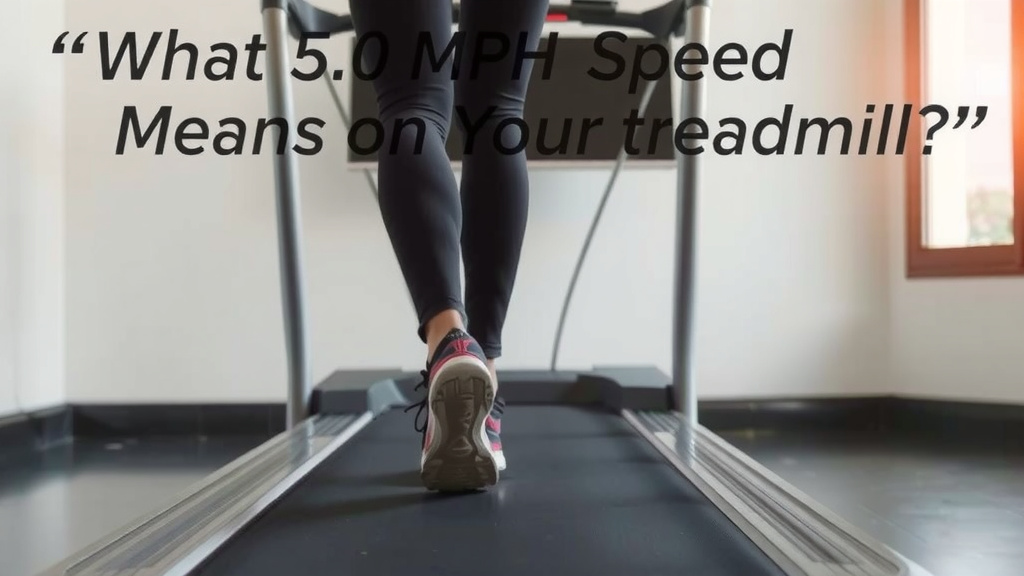
So, what exactly does 5.0 miles per hour feel like on a treadmill? You’re essentially looking at a brisk walking pace. It’s faster than a casual stroll but not quite a jog for most people. Think of it as a pace where you can maintain a steady rhythm. It’s a speed that feels purposeful without demanding too much exertion.
Many treadmills often set 5.0 MPH as a default speed. This isn’t by accident. It’s considered a **comfortable yet effective walking speed**. It’s a speed that many users find accessible. You can typically hold a conversation at this pace. This makes it ideal for longer walking sessions or when you want to focus on endurance.
5.0 MPH: A Closer Look at the Speed
Let’s break down what 5.0 MPH means in terms of effort and comparison. It’s a speed that sits in a sweet spot for many fitness goals. It’s not about pushing your limits, but about steady, consistent movement. Many fitness experts recommend this speed for general health benefits.
What Kind of Workout is 5.0 MPH?
At 5.0 MPH, you’re most likely engaged in power walking. This is a step up from a leisurely walk. Your heart rate will be elevated. You’ll likely feel your breathing increase slightly. It’s enough to get your blood pumping. It’s also a great way to build cardiovascular fitness.
This speed is also excellent for active recovery. If you had a tough workout the day before, 5.0 MPH allows you to move your legs. It helps with muscle soreness. It gets blood flow to your muscles without adding significant stress. Many athletes use this speed for their recovery days.
5.0 MPH vs. Other Common Treadmill Speeds
To really understand 5.0 MPH, let’s compare it to other speeds you’ll see. A casual walking speed is usually around 2.5 to 3.5 MPH. This is a pace for strolling. A fast walk or light jog might be between 4.0 and 5.0 MPH. Once you go above 5.0 MPH, you’re definitely entering jogging or running territory.
For example, a light jog might start around 5.5 to 6.0 MPH. A moderate run could be 6.5 to 7.5 MPH. A faster run will be above 8.0 MPH. So, 5.0 MPH is firmly in the brisk walking or very light jog category. It’s a solid pace for building endurance without high impact.
| Treadmill Speed (MPH) | Activity Level | What it Feels Like |
|---|---|---|
| 2.5 – 3.5 MPH | Casual Walk | Easy strolling, like a leisurely park walk. |
| 4.0 – 5.0 MPH | Brisk Walk / Power Walk | Purposeful stride, breathing increases slightly. Can talk easily. |
| 5.5 – 6.0 MPH | Light Jog | You’re running, but it’s a comfortable, sustainable pace. Conversation is broken. |
| 6.5 – 7.5 MPH | Moderate Run | A more challenging run. Talking in short sentences is difficult. |
Who Benefits from Walking at 5.0 MPH?
This speed is incredibly versatile. It’s a great starting point for beginners. If you’re new to treadmills, 5.0 MPH is accessible. It allows you to get used to the machine. You can build confidence at this pace. It’s a solid step before trying to jog.
Beginners and New Treadmill Users
For those just starting their fitness journey, 5.0 MPH is perfect. It’s challenging enough to feel like a workout. Yet, it’s not so intense that it’s discouraging. You can gradually increase your duration at this speed. This builds stamina and endurance. Many guidelines suggest starting with walking as a foundation (CDC).
Those Seeking Low-Impact Cardio
Even if you can jog or run, sometimes you need a lower-impact option. 5.0 MPH allows for a good cardiovascular workout without the pounding. This is especially helpful if you have joint issues. Or if you are recovering from an injury. It provides an excellent cardio benefit with reduced stress on your body.
Research has shown that brisk walking can offer significant health benefits. These include improved cardiovascular health and better mood regulation. It’s a **fantastic way to stay active** without high risk. The key is consistency, and 5.0 MPH makes consistency achievable.
Individuals Focused on Warm-ups and Cool-downs
As mentioned in the intro, 5.0 MPH is ideal for preparing your body. A warm-up at this speed gets your muscles ready. It increases blood flow. It prevents potential strains. Similarly, a cool-down at 5.0 MPH helps your heart rate return to normal gradually. This aids in recovery. It prevents dizziness.
Tips for Your 5.0 MPH Treadmill Workout
To get the most out of walking at 5.0 MPH, there are a few things you can do. It’s not just about the speed; it’s about how you approach it. Make sure you’re comfortable and safe. Small adjustments can make a big difference in your workout quality.
- Adjust Incline: Don’t be afraid to add incline. This increases the intensity. It works different muscles. Even a 1-3% incline can make a difference.
- Focus on Form: Keep your posture upright. Engage your core. Let your arms swing naturally. Good form prevents injury. It maximizes your workout.
- Vary Duration: Start with 15-20 minutes if you’re new. Gradually increase to 30-45 minutes. Listen to your body.
- Stay Hydrated: Drink water before, during, and after. Even at walking pace, you sweat.
- Listen to Your Body: If 5.0 MPH feels too hard, slow down. If it feels too easy, consider a slight incline.
Remember, consistency is key. A 5.0 MPH workout three to four times a week is far better than one intense session every two weeks. Think of it as building a strong foundation for your fitness. This steady approach leads to lasting results.
Conclusion
You’ve learned that 5.0 MPH on a treadmill is a versatile speed. It’s your go-to for a brisk walk or a light jog. This pace is excellent for beginners and active recovery. It offers a great cardiovascular workout without high impact. Remember to focus on your form and listen to your body. Start incorporating 5.0 MPH into your routine consistently. You’ll build a strong fitness foundation. Your next step? Lace up your shoes and try a 20-minute session at 5.0 MPH on your next workout day!
Frequently Asked Questions
Can 5.0 MPH on a treadmill be considered running?
For most people, 5.0 MPH falls into the category of a brisk walk or a very light jog. It’s a pace where you’re moving purposefully but likely still able to hold a conversation. True running speeds typically start higher.
Is 5.0 MPH too fast for a warm-up?
No, 5.0 MPH is often ideal for a warm-up. It allows you to gradually increase your heart rate and blood flow to your muscles. This prepares your body for more intense exercise without being too demanding.
How many calories can you burn at 5.0 MPH?
Calorie burn varies based on factors like your weight and the duration of your workout. However, walking at 5.0 MPH for 30 minutes can offer a moderate calorie burn. It’s a good way to contribute to your daily energy expenditure.
What if 5.0 MPH feels too easy for my workout?
If 5.0 MPH feels too easy, you have a couple of options. You can increase the duration of your walk or add an incline to the treadmill. A slight incline can significantly boost the intensity and challenge your muscles more.
Is 5.0 MPH suitable for someone with knee pain?
Yes, 5.0 MPH can be a good option for individuals with knee pain. As a brisk walking pace, it provides a cardiovascular workout with lower impact compared to jogging or running. Always consult your doctor before starting any new exercise program, especially with existing pain.