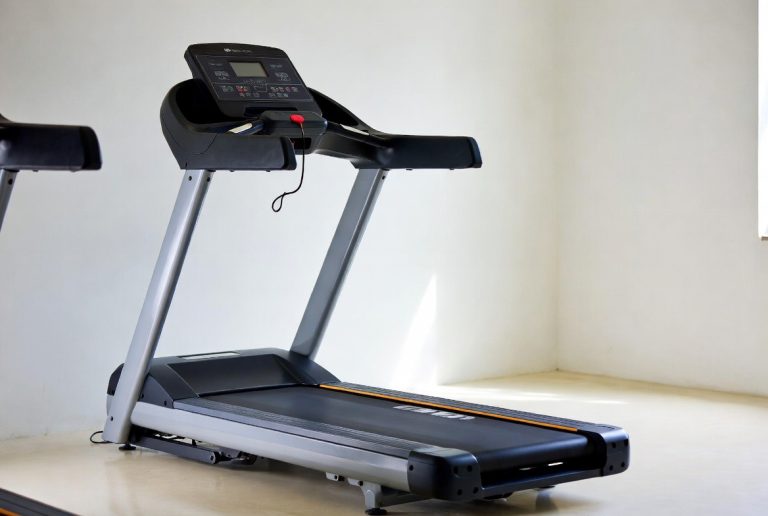

Treadmill Speed 9.0: How Fast Is It Really
Running at 9.0 mph on a treadmill is quite fast for most people. It’s considered a very brisk running pace, close to a sprint for many. You’d likely be covering a mile in just under 7 minutes if you could maintain it.
This speed is often seen in competitive runners or those doing high-intensity interval training (HIIT). For the average person, it’s a challenging speed that requires good fitness. Many treadmills max out at 10-12 mph, so 9.0 mph is definitely pushing the limits.
- 9.0 mph is a fast running pace.
- It’s often used in intense workouts like HIIT.
- Most average runners find this speed difficult to sustain.
- It equates to a 6 minute 40 second mile pace.
- It’s a speed many treadmills can achieve.
Let’s break down what running at 9.0 mph actually means for your workout and your body.
“`htmlUnderstanding the 9.0 mph Treadmill Speed
So, you’re curious about hitting that 9.0 mph mark on the treadmill. That’s a speedy pace! To put it simply, 9.0 mph is a fast running speed for most individuals. Think of it as pushing the throttle way up on your workout.
If you could maintain this speed for a full mile, you’d be finishing in about 6 minutes and 40 seconds. That’s pretty zippy, right? Many treadmills are designed with this kind of speed in mind, often topping out around 10 to 12 mph. So, 9.0 mph is definitely within the capabilities of many machines and represents a significant challenge for your cardiovascular system.
Who Runs at 9.0 mph?
Hitting 9.0 mph isn’t your everyday jog for the average person. We found that this speed is typically seen in a few distinct groups of people. It’s a speed that demands a good level of fitness and training.
Competitive Runners and Athletes
You’ll see runners training at this pace if they are preparing for races or competing in events. Sprinters, middle-distance runners, and even serious long-distance runners might use 9.0 mph for specific training intervals. It’s a speed that helps build both speed and endurance at a high level.
Fitness Enthusiasts and HIIT Workouts
For those who are very fit and regularly engage in high-intensity interval training (HIIT), 9.0 mph can be a part of their routine. HIIT workouts often involve short bursts of maximum effort followed by recovery periods. Running at this pace is a prime example of that maximum effort phase. It’s about For those who are very fit and regularly engage in high-intensity interval training (HIIT), 9.0 mph can be a part of their routine.pushing your limits for a short duration.
What About the Average Person?
If you’re just starting out or consider yourself a casual runner, 9.0 mph is likely too fast to sustain for more than a minute or two, if at all. It’s more in the territory of a sprint. Don’t feel discouraged by this; it just means you’re probably not at that elite fitness level yet, and that’s perfectly fine! Your fitness journey is your own.
The Physical Demands of Running at 9.0 mph
When you decide to run at 9.0 mph, your body goes through some serious work. It’s a speed that really challenges your cardiovascular system and your muscles. Let’s break down what’s happening.
Cardiovascular System Engagement
Your heart rate will likely jump significantly when you hit 9.0 mph. This speed requires your heart to pump blood and oxygen very efficiently to your working muscles. Research from the American Heart Association suggests that higher intensity exercise leads to improved cardiovascular health over time, but it needs to be approached safely.
Your lungs will also be working overtime, taking in more oxygen with each breath. You’ll notice your breathing becoming much heavier and faster. It’s your body’s way of trying to keep up with the demand for energy.
Muscular Effort and Impact
Running at this speed engages your leg muscles intensely. Your quadriceps, hamstrings, calves, and glutes are all working hard to propel you forward. The impact on your joints, particularly your knees and ankles, is also much greater compared to a slower pace. Many experts recommend good running form to help mitigate some of this impact.
Calorie Burn Potential
One of the upsides of running at a challenging speed like 9.0 mph is the high calorie burn. Because your body is working so hard, it consumes a lot of energy. This can be very effective for weight management goals. For instance, a 150-pound person might burn upwards of 150-200 calories in just 10-15 minutes at this intensity, though this can vary greatly based on individual factors (Harvard Health Publishing).
How to Approach Running at 9.0 mph Safely
Jumping onto a treadmill and immediately setting it to 9.0 mph is generally not a good idea, especially if you’re not accustomed to such speeds. Safety and proper progression are key. Think of it like learning to ride a bike – you start with training wheels and short distances.
Build Up Gradually
The most important advice we can give is to progress slowly. Start at a comfortable pace and gradually increase your speed over weeks and months. If 9.0 mph is your goal, work your way up through speeds like 5.0, 6.0, 7.0, and 8.0 mph. Listen to your body at each stage.
Warm-Up and Cool-Down Are Essential
Never skip your warm-up! A good 5-10 minute warm-up with light cardio and dynamic stretching prepares your muscles for the work ahead. Similarly, a cool-down period of walking and static stretching is vital for recovery and preventing stiffness. This is a non-negotiable part of any workout, especially at higher intensities.
Consider Treadmill Features
Not all treadmills are created equal. Some have better cushioning, which can make a difference in impact. Others have more powerful motors that can sustain higher speeds smoothly. If your treadmill feels shaky or struggles at higher speeds, it might be a sign it’s not designed for that kind of intensity.
Listen to Your Body
This is perhaps the most critical piece of advice. If you feel sharp pain, dizziness, or extreme shortness of breath, slow down or stop immediately. Pushing through significant discomfort can lead to injuries. Your body is sending you signals, and it’s important to pay attention to them. What feels right for one person might be too much for another.
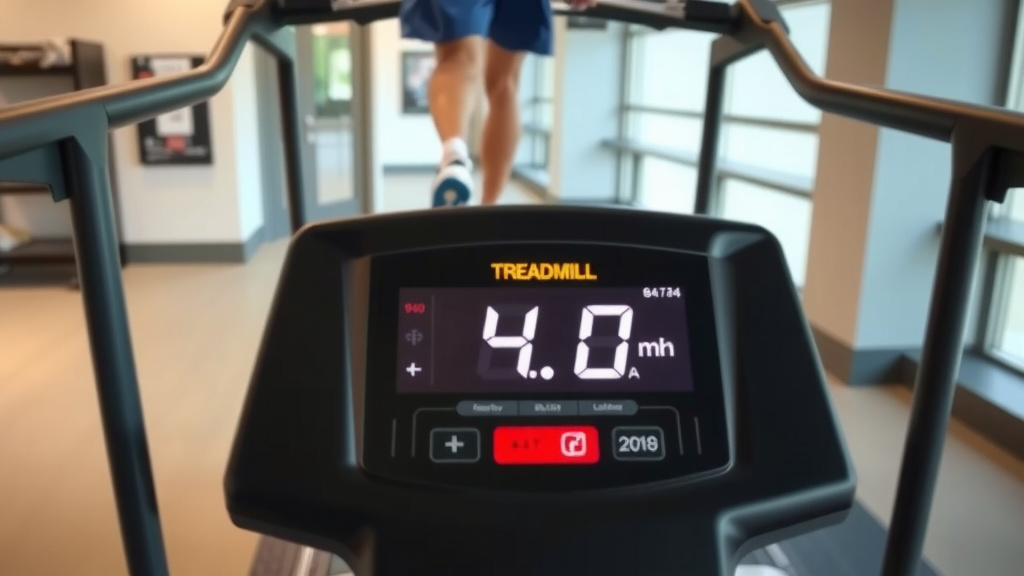
Speed Comparison: 9.0 mph in Context
To help you visualize how fast 9.0 mph really is, let’s compare it to other common speeds and paces.
| Treadmill Speed (mph) | Pace (Min/Mile) | What it Represents |
|---|---|---|
| 3.0 mph | 20:00 | Brisk walking pace |
| 4.0 mph | 15:00 | Very brisk walk or light jog |
| 5.0 mph | 12:00 | Comfortable jogging pace for many |
| 6.0 mph | 10:00 | Steady running pace |
| 7.0 mph | 8:30 | Faster running pace |
| 8.0 mph | 7:30 | Very fast running pace, approaching a sprint |
| 9.0 mph | 6:40 | Sprint speed for many, or elite running pace |
| 10.0 mph | 6:00 | Full sprint for most trained individuals |
Can You Sustain 9.0 mph? A Quick Checklist
Wondering if you’re ready to tackle 9.0 mph, or how to get there? Ask yourself these questions:
- Can you comfortably jog for 30 minutes?
- Do you regularly run at 7.0 mph or faster?
- Have you incorporated speed work into your training?
- Do you warm up properly before each run?
- Do you listen to your body and rest when needed?
- Are you free from recent injuries?
If you answered “yes” to most of these, you’re likely in a good position to start working towards higher speeds. If not, focus on building a solid aerobic base first.
“`Conclusion
Running at 9.0 mph on a treadmill is a serious feat, generally reserved for competitive athletes or those deeply committed to high-intensity training. You’ve learned it equates to a blazing fast 6-minute, 40-second mile pace. For the average runner, this speed is more of a sprint than a sustainable run. Remember, building up to such a pace requires patience, consistent training, and prioritizing safety. Your fitness journey is unique, so focus on gradual progression and always listen to your body. If 9.0 mph is your goal, start by establishing a solid base and incrementally increasing your speed over time.
Frequently Asked Questions
Is 9.0 mph on a treadmill considered sprinting?
Yes, for most people, 9.0 mph on a treadmill is considered a sprint or an elite running pace. It’s a speed that challenges the cardiovascular system significantly and requires a high level of fitness to maintain for even short durations. Most treadmills can reach this speed, but sustaining it is the real challenge.
How many calories can you burn running at 9.0 mph?
You can burn a substantial number of calories at 9.0 mph due to the high intensity. A 150-pound person might burn around 150-200 calories in just 10-15 minutes at this speed. However, this number can vary based on your weight, metabolism, and exact duration.
Can I run a mile at 9.0 mph on a treadmill?
If you can consistently run at 9.0 mph on a treadmill, you can indeed run a mile in approximately 6 minutes and 40 seconds. This pace is very fast and typically achieved by trained runners. For many, it’s a speed they can only hold for very short intervals, not a full mile.
What are the risks of running too fast on a treadmill, like at 9.0 mph?
Running at speeds like 9.0 mph without proper conditioning can increase the risk of injury, such as muscle strains or joint pain. You might also experience dizziness or extreme shortness of breath. It’s crucial to build up to this speed gradually and ensure your body is prepared for the intensity.
How can I safely work up to running at 9.0 mph on my treadmill?
To safely reach 9.0 mph, start by increasing your current running speed by small increments, perhaps 0.5 mph per week. Incorporate interval training, where you alternate between a faster pace and a recovery pace. Always include a thorough warm-up before and a cool-down after each session, and listen to your body’s signals.