
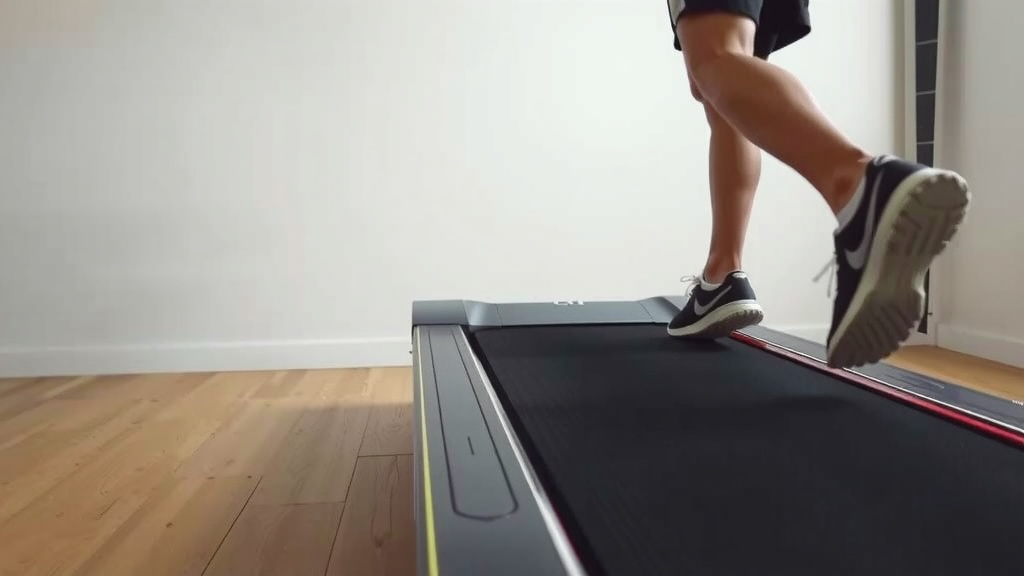
Treadmill 10 Speed: What That Pace Actually Feels Like
A treadmill’s 10 speed is about 4 miles per hour. This is a brisk walking pace for most people. It’s a comfortable speed for steady cardio workouts. Many runners use it for jogging or running intervals. It’s faster than a casual stroll but not quite a sprint for most.
Understanding treadmill speeds helps you tailor your workouts. A 10 speed can be your daily jog or part of an intense training session. We found that many fitness trackers consider this speed to be moderate-intensity cardio. It’s a speed that burns calories effectively. It also boosts your cardiovascular health without being too strenuous for many users.
- 10 speed on a treadmill equals 4 mph.
- This speed is good for brisk walking or jogging.
- It’s a solid pace for moderate cardio workouts.
- You can use it for steady-state cardio or intervals.
Let’s look closer at what 10 speed really means for your fitness goals. We’ll break down how you can use it effectively.
You’ve got the basics: a treadmill’s 10 speed is 4 miles per hour. But what does that really mean for your workout? Think of it as your versatile workout partner. It can be a relaxed pace or a challenging sprint, depending on how you use it.
What is Treadmill Speed 10 Really Like?
When your treadmill display shows “10,” it’s usually set to 10 miles per hour. This is a common setting on many home and gym treadmills. So, a speed of 10 on the dial means you’re moving at a pace of 10 mph. This translates to about a 6-minute mile. That’s a pretty quick pace for most people!
Comparing Treadmill Speed 10 to Real-World Running
Imagine trying to keep up with a fast jogger on your local park path. That’s roughly the feeling of running at speed 10. It’s faster than your average running pace. Many casual runners find it to be a challenging but achievable speed. It’s not quite a full sprint for a seasoned athlete, but it’s definitely a serious pace for many.
How Does Speed 10 Compare to Other Speeds?
Let’s put speed 10 into perspective. A leisurely walk might be around 2-3 mph. A brisk walk could be 3-4 mph. Jogging typically starts around 5-6 mph. Speed 10 is well into the running category. It’s a solid pace for those looking to increase their speed and endurance.
Who Uses Treadmill Speed 10?
Speed 10 isn’t just for elite athletes. Many different types of exercisers can benefit from this setting. It’s a great target for interval training. You might use it for short bursts of speed. Or you could maintain it for a sustained period if you’re in good shape.
For the Intermediate Runner
If you’re past the beginner stage of running, speed 10 might be your sweet spot. You might use it for your steady-state runs. This means running at a consistent pace for the duration of your workout. It’s fast enough to get your heart rate up. It also helps build leg speed.
Incorporating Speed 10 into Interval Training
Interval training is a fantastic way to boost your fitness. You alternate between high-intensity bursts and recovery periods. Speed 10 is ideal for those high-intensity bursts. For example, you could run at speed 10 for 30 seconds. Then, you might slow down to 4-5 mph for 60 seconds. This type of training is highly effective for improving cardiovascular health.
Can Beginners Use Speed 10?
For absolute beginners, speed 10 might be too intense. Starting with a speed of 5-6 mph for jogging is often recommended. You can gradually increase the speed as your fitness improves. Think of it as a goal to work towards. The CDC suggests moderate-intensity aerobic activity for at least 150 minutes per week. Speed 10 can help you reach that goal faster (CDC).
Benefits of Running at Speed 10
Why push yourself to speed 10? There are several great reasons. It’s not just about going fast. It’s about making your workouts more effective. You’ll see improvements in your stamina and calorie burn.
Boosting Calorie Burn
Running at a higher intensity burns more calories. Speed 10 will significantly increase your calorie expenditure compared to walking or jogging at slower paces. This can be a big help for weight management goals. You’re getting more bang for your buck with every minute you spend on the treadmill.
Improving Cardiovascular Health
Pushing your heart rate higher during exercise is excellent for your ticker. Running at speed 10 challenges your heart and lungs. This strengthens them over time. Many health organizations recommend vigorous-intensity exercise to improve heart health. Speed 10 certainly falls into that category for many individuals (American Heart Association).
Enhancing Speed and Endurance
Want to get faster on the road or trails? Practicing at speed 10 on your treadmill can help. It trains your muscles to work at a higher pace. It also improves your body’s ability to use oxygen efficiently. This is key to building better running endurance.
Tips for Using Treadmill Speed 10 Safely
Jumping onto speed 10 without preparation isn’t the best idea. You want to make sure you’re ready. Safety and smart training are key to seeing results. Here are a few pointers to help you out.
Warm Up Properly
Never start your workout at top speed. Always begin with a gentle warm-up. Try walking for 5 minutes at 3 mph. Then, gradually increase to a light jog for another 5 minutes. This prepares your muscles and cardiovascular system.
Listen to Your Body
This is the most important tip. If speed 10 feels too hard, don’t force it. It’s okay to slow down. Your body will tell you when it’s ready for more. Pay attention to any aches or pains. Pushing too hard too soon can lead to injury.
Cool Down After Your Workout
Just as important as warming up is cooling down. After your run, slowly decrease your speed. Jog for a few minutes, then walk for 5 minutes. This helps your heart rate return to normal. It also aids in muscle recovery.
Consider Treadmill Incline
Don’t forget about the incline feature! Adding a slight incline can make speed 10 feel even more challenging. It can also help mimic outdoor running conditions. You can adjust the incline to vary your workout intensity without changing your speed.
Here’s a quick checklist to keep in mind when aiming for speed 10:
- Always warm up before increasing speed.
- Start with shorter intervals at speed 10.
- Listen to your body and rest when needed.
- Cool down properly after each session.
- Consider using incline for added challenge.
- Stay hydrated throughout your workout.
Conclusion
So, you’ve learned that treadmill speed 10 is generally 10 mph, a challenging pace for many. This speed is a fantastic tool for boosting calorie burn and improving your cardiovascular health. It’s ideal for intermediate runners or for high-intensity intervals. Remember to always warm up properly, listen to your body, and cool down afterward. By incorporating speed 10 safely and smartly, you can push your fitness forward and reach new personal bests. Keep up the great work on your fitness journey!
Frequently Asked Questions
Is treadmill speed 10 the same as running 10 mph outdoors?
Yes, generally, speed 10 on a treadmill is calibrated to 10 miles per hour. This means you’re running at the same pace as you would be if you were running 10 mph outside. The treadmill belt moves under you, mimicking the ground.
Can I use speed 10 for warm-ups?
No, speed 10 is typically too fast for a warm-up. We found that starting with a brisk walk at 3-4 mph and then a light jog at 5-6 mph is a safer bet. A proper warm-up prepares your muscles and heart for more intense work.
How many calories can I burn at treadmill speed 10?
You’ll burn a significant number of calories at speed 10 because it’s a vigorous intensity. The exact amount depends on your weight, duration, and metabolism. Research shows higher intensity cardio leads to a greater calorie expenditure per minute.
Is treadmill speed 10 good for weight loss?
Yes, treadmill speed 10 can be very effective for weight loss when combined with a healthy diet. Its high intensity burns more calories in less time. It also boosts your metabolism, helping you continue to burn calories even after your workout ends.
What if speed 10 feels too hard for me?
It’s perfectly okay if speed 10 feels too challenging right now. Your fitness level is unique to you. You can work your way up by gradually increasing your speed over time. Focus on consistency and finding a pace that is challenging but sustainable for your current fitness level.


One Comment