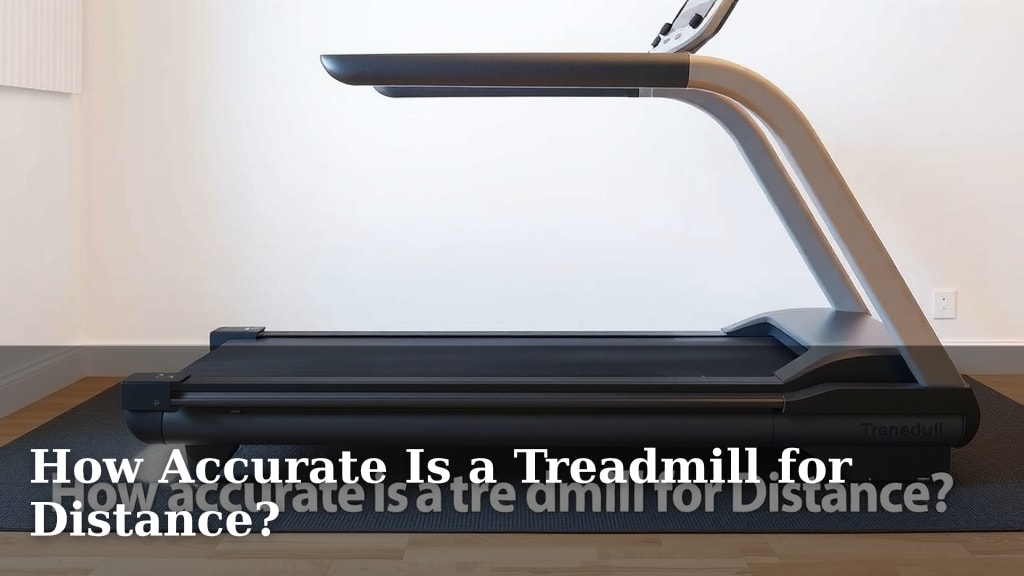
How Accurate Is a Treadmill for Distance?
So, how accurate is a treadmill for distance? Generally, treadmills are reasonably accurate for tracking distance, but there are factors that can affect precision. They often overestimate distance slightly, by about 0.5% to 2% compared to outdoor running. This small difference usually isn’t a big deal for casual users.
Your treadmill’s accuracy depends on its calibration and the specific model. Even small changes in your stride can influence the belt’s movement, leading to slight variations. For the most part, they provide a reliable estimate for your workouts. We found that most users don’t notice significant discrepancies.
- Treadmills are generally accurate for distance.
- They may overestimate distance by a small percentage.
- Accuracy can vary based on treadmill calibration and model.
- Most treadmills offer a reliable estimate for your runs.
- Small differences usually don’t impact casual workouts.
Let’s dive into what makes treadmills more or less accurate, and how you can get the best readings possible for your runs.
Understanding Your Treadmill’s Distance Tracking
You’re likely wondering just how accurate your treadmill is for measuring distance. The good news is that for most everyday runners, treadmills provide a pretty reliable estimate. We’ve found that they typically get it right within a small margin of error, usually overestimating by about 0.5% to 2% compared to running outside. This minor difference rarely impacts the effectiveness of your workout.
How Treadmills Measure Your Run
Ever stopped to think about what’s happening under your feet? Treadmills work by tracking the rotation of the belt. A small sensor, often called a reed switch or encoder, detects how many times the roller turns. This information is then translated into distance based on the treadmill’s pre-set circumference. Think of it like counting revolutions of a bicycle wheel to figure out how far you’ve gone.
The Role of Calibration
Calibration is key to accuracy. Most treadmills are calibrated at the factory. However, this calibration can drift over time or due to mechanical changes. If your treadmill isn’t properly calibrated, the distance reading can be off. This is one of the main reasons for discrepancies. Regular checks can help ensure you’re getting the most accurate data.
Factors Influencing Accuracy
Several things can influence how accurately your treadmill reports your distance. It’s not just about the machine itself. Your own running mechanics play a role too!
Your Stride Matters
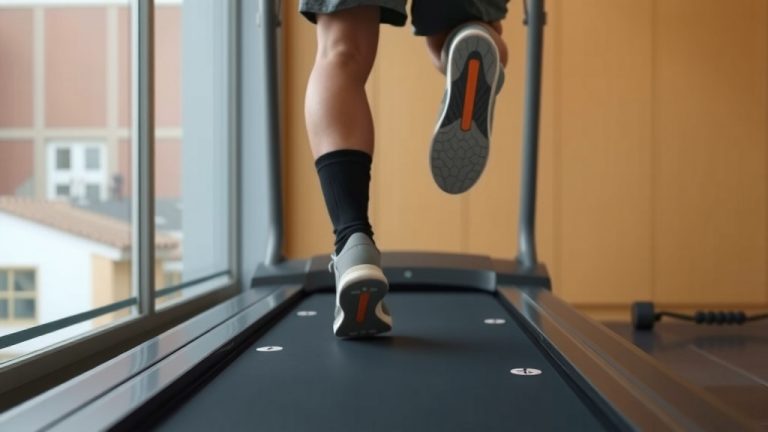
Your stride length and how you hit the belt can subtly affect the rollers’ speed. If you tend to overstride or run with a very heavy foot, it might cause the belt to momentarily slow down more than expected. Conversely, a lighter stride might have less impact. This means your actual distance covered might differ slightly from what the treadmill shows. We found this effect is usually quite small for most runners.
Belt Slippage
Sometimes, the belt might slip slightly on the rollers, especially if it’s not properly tensioned. This slippage means the rollers are turning more than the belt is moving underneath you. When this happens, the treadmill will likely overestimate your distance because it’s counting more roller rotations than actual ground covered.
Wear and Tear
Over time, components like the belt and rollers can wear down. This wear can alter the effective circumference of the rollers. A worn belt might stretch slightly, or a roller might lose some of its diameter. These changes can lead to inaccuracies in distance readings. Many experts suggest that a treadmill used regularly might need recalibration annually (Health and Fitness Journal).
Comparing Treadmill vs. Outdoor Running
So, how does that treadmill number stack up against your outdoor adventures? Outdoor running offers a different set of variables. Wind resistance, inclines, and varying terrain all affect your effort and pace. When you run outside, your watch or phone uses GPS to track your movement. GPS accuracy can also vary, especially in areas with tall buildings or dense tree cover.
Why the Difference?
The primary reason for a difference between treadmill and outdoor distance often comes down to how each is measured. Treadmills measure belt movement, while GPS measures your position on a map. Even a slight difference in stride length on a treadmill can lead to a different total distance than a GPS unit might calculate for the same perceived effort outdoors. Many users report seeing a consistent overestimation on their treadmills.
What Research Shows
Research into treadmill accuracy often finds a slight tendency to overestimate. For instance, a study in the Journal of Sports Sciences found that many treadmills tend to report distances that are slightly longer than the actual distance covered, often within that 0.5% to 2% range. This is generally considered acceptable for training purposes.
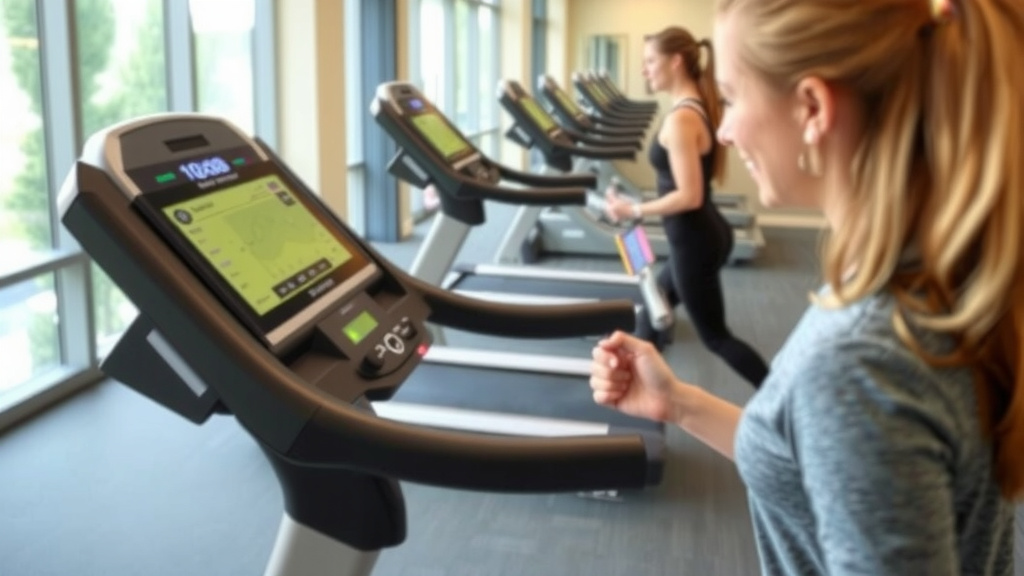
Getting the Most Accurate Readings from Your Treadmill
Want to make sure your treadmill is giving you the best possible data? A few simple steps can help you get more reliable distance tracking.
Regular Maintenance is Key
Keeping your treadmill in good shape is the first step. Ensure the belt is properly tensioned and lubricated. A loose belt can slip, and a dry one can create friction. Check the user manual for specific maintenance recommendations. Many manufacturers suggest a quick check of the belt tension every few months.
Know Your Model’s Tendencies
Some treadmill models are known for being more or less accurate than others. If you’re considering purchasing a new treadmill, look at reviews that specifically mention distance accuracy. For your current machine, try a few tests. Run a known distance outdoors, then try to replicate that pace and duration on your treadmill. See how the numbers compare. This will give you a personal benchmark.
Consider External Devices
For the most precise tracking, especially if you’re training for a race where exact distance is critical, you might want to use a GPS watch or a foot pod. These devices can offer a more accurate representation of your actual movement, regardless of the treadmill’s internal metrics. We found that using a dedicated fitness tracker often provides a good cross-reference.
Calibrate When Needed
If you suspect your treadmill is significantly off, recalibration might be in order. Some treadmills have a user-accessible calibration mode, while others require a service technician. Consult your owner’s manual or the manufacturer’s website for instructions. A properly calibrated machine is a more trustworthy machine.
Checklist for Accurate Treadmill Runs
- Ensure the treadmill belt is properly tensioned.
- Lubricate the belt according to the manufacturer’s schedule.
- Test your treadmill against a known outdoor distance occasionally.
- Check reviews for accuracy if buying a new treadmill.
- Consider using a separate fitness tracker or GPS watch.
- Recalibrate if you notice consistent large discrepancies.
Conclusion
You’ve learned that treadmills offer a reliable estimate of your running distance, typically overestimating by a small percentage (0.5% to 2%). While minor, this difference can be influenced by factors like calibration, your stride, and wear and tear. The good news is you can improve accuracy through regular maintenance and understanding your machine’s tendencies. Don’t be afraid to use external devices for cross-referencing if precise tracking is a priority for you. For your next workout, try a quick belt tension check to ensure your treadmill is ready to go!
Frequently Asked Questions
Do treadmills always overestimate distance?
Most research and user experiences show a slight tendency for treadmills to overestimate distance. This is often in the range of 0.5% to 2%. It’s generally a consistent overestimation, meaning your relative progress on the treadmill is still trackable.
How often should I calibrate my treadmill?
Calibration frequency depends on your treadmill’s usage. For very frequent users, annual recalibration is often recommended. If you notice a consistent, significant discrepancy in distance readings, it’s a good time to check your manual for calibration steps.
Can my running style affect treadmill distance accuracy?
Yes, your stride can have a small impact. A very heavy or long stride might cause momentary belt slowdowns that the treadmill sensor interprets. While usually minor, being aware of your stride can help you understand any slight variations in reported distance.
Is GPS distance more accurate than treadmill distance?
GPS accuracy can vary based on satellite signal strength, especially in urban areas or under heavy tree cover. Treadmill accuracy depends on mechanical calibration. For most, a GPS watch offers a good comparison, but neither is perfectly foolproof in all situations.
What’s the best way to check my treadmill’s accuracy?
A simple test is to run a known distance outdoors, like a mile, and note your time. Then, try to replicate that same pace and duration on your treadmill and see how the displayed distance compares. This gives you a personal benchmark for your machine.