How Does a Treadmill Calculate Calories?
A treadmill calculates calories by estimating your energy expenditure based on several factors. It uses your speed, incline, and the duration of your workout. Many machines also ask for your weight to get a more accurate reading. They do this using algorithms that convert your movement into an estimated calorie burn.
While treadmills provide a helpful estimate, it’s good to know they aren’t perfect. The exact calorie count can vary between machines and is influenced by your individual metabolism and fitness level. Think of the number as a good ballpark figure for your efforts.
- Treadmills estimate calories burned using speed, incline, and time.
- Your weight is a key factor for better accuracy.
- The displayed calorie count is an estimate, not an exact science.
- Individual metabolism and fitness levels affect the actual burn.
Let’s walk through exactly how your treadmill is figuring out those numbers and what makes them more or less precise.
Understanding Your Treadmill’s Calorie Counter
Ever wonder how that number on your treadmill display gets calculated? You’re not alone! It’s a pretty common question. We’ve all been there, pushing ourselves, glancing at the screen, and thinking, “Is that really how many calories I’ve burned?” Let’s break down the science behind it.
The Basic Recipe for Calorie Calculation
At its core, your treadmill uses a formula. This formula takes a few key pieces of information about your workout. Think of it like a chef following a recipe. The ingredients are things like speed, incline, and time. The resulting dish is your estimated calorie burn.
Speed: How Fast You’re Going
The faster you move, the more energy you’re using. Your treadmill measures your speed. It knows how much effort it takes to move your body across the belt at a certain pace. This is a big factor in the calorie calculation.
Incline: The Challenge of the Hill
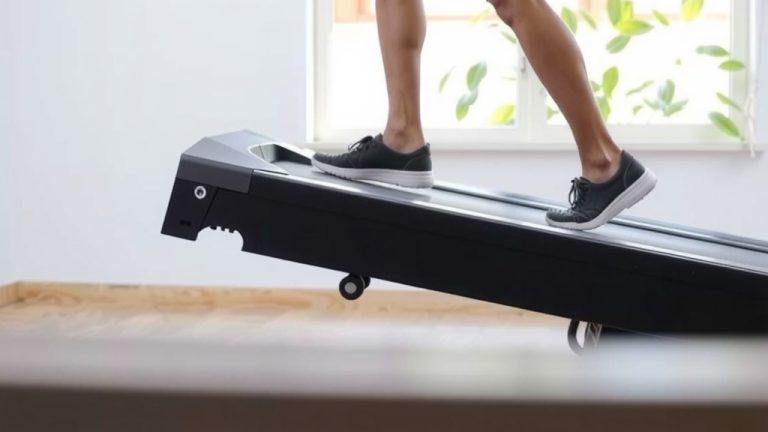
When you increase the incline, you’re asking your body to work harder. It’s like climbing a real hill. Your leg muscles engage more. Your heart rate often goes up. The treadmill registers this added effort. This boosts the estimated calorie burn significantly. Many experts agree that incline is a powerful way to increase intensity.
Duration: How Long You Keep Going
This one is straightforward. The longer you exercise, the more calories you burn. Your treadmill keeps track of the time you spend on the machine. This duration is multiplied by the intensity of your workout (speed and incline) to get a fuller picture.
Adding Your Personal Touch: Weight Matters!
To make the calorie count more accurate, most treadmills ask for your weight. Why is this so important? Well, a heavier person uses more energy to move their body than a lighter person. Imagine pushing a shopping cart versus a lighter stroller. The heavier cart takes more effort. Your treadmill uses your inputted weight to adjust its calculations accordingly. We found that without weight, the estimate can be off by a considerable margin.
How Weight Impacts the Equation
The algorithms within the treadmill are designed to account for this. They have different calculations for different weight ranges. This helps to personalize the calorie burn estimate for you. So, if you’ve ever skipped this step, try entering your accurate weight for a potentially more realistic number.
The Science Behind the Numbers: METs and Formulas
Treadmills don’t just guess. They often use a system based on METs. MET stands for Metabolic Equivalent of Task. It’s a measure of how much energy your body uses for a specific activity compared to resting. Different activities have different MET values.
What are METs?
For example, walking at a moderate pace might have a MET value of 3. Running at a faster pace might have a MET value of 8 or 9. These values are based on scientific research. They help standardize the energy expenditure of various activities (Medicine & Science in Sports & Exercise).
The Calorie Calculation Formula
The treadmill takes your weight in kilograms, multiplies it by the activity’s MET value, and then multiplies that by the duration in hours. The formula often looks something like this:
Calories Burned = METs × Body Weight (kg) × Time (hours)
Your treadmill’s internal computer is doing this calculation in real-time. It’s a pretty neat piece of engineering!
When the Numbers Might Not Be Spot On
It’s essential to remember that this is still an estimate. Several factors can influence the actual calories you burn. Treadmills are great tools, but they can’t read your mind or your body’s unique response to exercise.
Individual Metabolism and Fitness Level
Your personal metabolism plays a huge role. Some people naturally burn more calories at rest than others. Your fitness level also matters. As you get fitter, your body becomes more efficient. This means you might burn slightly fewer calories doing the same workout over time. Research from institutions like the National Institutes of Health (NIH) highlights how individual metabolic rates can vary widely.
Workout Efficiency and Form
The way you move can also affect calorie burn. If your form is very efficient, you might use less energy. If you’re gripping the handrails tightly, you’re not engaging your core or arms as much. This can reduce the overall calorie expenditure. A good, natural running or walking form uses more muscles.
Machine Variations
Different treadmill models might use slightly different algorithms. A high-end treadmill might have a more sophisticated system than a basic model. Even small differences in how they measure speed or incline can lead to variations in the calorie count displayed. We found that comparing two different machines doing the exact same workout can yield different calorie results.
Making the Most of Your Treadmill’s Data
So, how can you best use the calorie information your treadmill provides? Treat it as a guideline, not gospel. It’s a fantastic way to track progress and stay motivated. It gives you a tangible number to associate with your hard work.
Here’s a quick checklist to keep in mind:
- Enter your accurate weight for better estimates.
- Adjust the speed and incline to match your perceived exertion.
- Consider the displayed calorie count a good ballpark figure.
- Don’t obsess over the exact number; focus on consistency.
- Listen to your body; how you feel is also a measure of effort.
- Combine treadmill data with other fitness tracking for a fuller picture.
By understanding what goes into the calculation, you can appreciate the effort your treadmill is making to give you feedback. It’s a helpful partner in your fitness journey, helping you see the results of your dedication in black and white—or rather, numbers on a screen!
Conclusion
You’ve learned how your treadmill crunches the numbers for calorie burn. Remember, it uses speed, incline, duration, and your weight for a good estimate. While individual metabolism and workout form can affect the exact count, your treadmill provides a valuable tool. Think of the displayed calories as a helpful motivator and progress tracker. To get the most out of it, always enter your accurate weight. Use the numbers as a guideline to help you stay consistent and reach your fitness goals. Keep up the great work on your fitness journey!
Frequently Asked Questions
Is the calorie count on my treadmill always accurate?
No, the calorie count on your treadmill is an estimate, not an exact measurement. Factors like your individual metabolism, fitness level, and even how efficiently you move can influence the actual calories you burn. It’s best to view the number as a motivational guideline.
Why does my treadmill ask for my weight?
Your treadmill asks for your weight because a heavier person generally burns more calories than a lighter person doing the same activity. Including your weight allows the machine’s algorithm to provide a more personalized and realistic calorie burn estimate.
Does incline really make a big difference in calorie burn?
Yes, incline significantly increases your calorie burn. When you add incline, your body has to work harder to move uphill, engaging more muscles and increasing your heart rate. This makes it a very effective way to boost the intensity and calorie expenditure of your workout.
Should I rely solely on treadmill calorie data for my diet?
It’s not recommended to rely solely on treadmill calorie data for your diet. Because it’s an estimate, it’s better to use it as a general indicator. For precise dietary planning, consider consulting a nutritionist or using a more comprehensive tracking method that accounts for all your food intake and activity.
What’s the difference in calorie burn between different treadmill models?
Different treadmill models can display slightly different calorie counts for the same workout. This is because they may use varied algorithms or have different calibrations for measuring speed and incline. Higher-end models might offer more sophisticated calculations, but all provide an estimation.