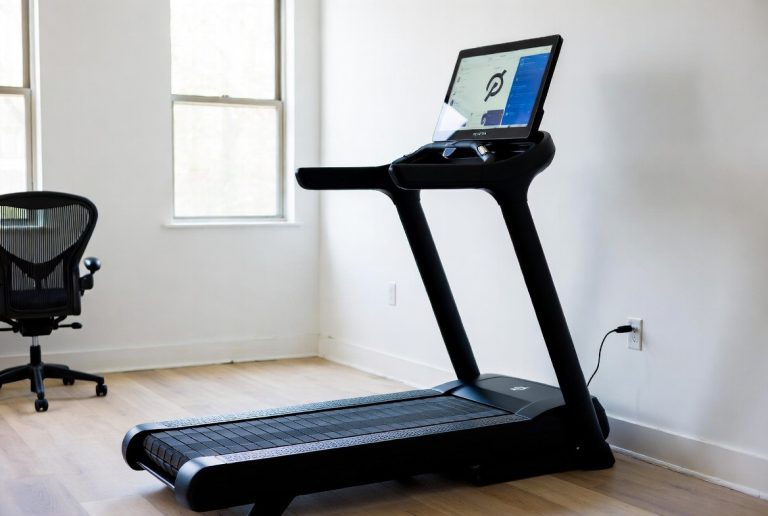

How to Apply Treadmill Lubricant
Applying treadmill lubricant is a simple maintenance task you can do yourself. You’ll need to lift the deck and spray the lubricant onto the belt and deck surface. Doing this regularly helps your treadmill run smoother and last longer, preventing wear and tear.
Keeping your treadmill properly lubricated is key to its longevity and performance. It reduces friction, which means your machine works less hard. This also leads to a quieter operation and can prevent costly repairs down the road. Think of it as giving your treadmill a refreshing spa day!
- Lift the treadmill deck.
- Spray lubricant onto the belt and deck.
- Wipe away excess lubricant.
- Check your owner’s manual for specifics.
Let’s walk through exactly how to get this done, step by step, so you can get back to your workout!
“`htmlKeeping Your Treadmill Smooth: A Lubrication Guide
Applying lubricant to your treadmill is an easy but often overlooked maintenance task. Doing it right ensures your machine runs smoothly. It also helps prevent damage and extends its lifespan. We’ll guide you through the simple steps.
Why Lubrication Matters for Your Treadmill
Think of your treadmill’s belt and deck like the soles of your shoes on a pavement. Friction is the enemy of both. Lubricant acts like a protective barrier. It reduces the friction between the moving belt and the stationary deck.
Benefits of Regular Treadmill Lubrication
When the belt and deck rub together without enough lubrication, it creates extra strain. This strain affects the motor and other components. This can lead to overheating and premature wear.
Proper lubrication helps your treadmill operate more efficiently. This means the motor doesn’t have to work as hard. Less strain on the motor can also mean a quieter workout experience for you. Many sources agree that regular lubrication is one of the simplest ways to prolong your treadmill’s life (iFit).
We found that a well-lubricated treadmill can feel noticeably smoother. It can also prevent that annoying squeaking noise. This makes your running or walking sessions much more enjoyable.
How Often Should You Lubricate?
The frequency depends on how much you use your treadmill. For home users who work out a few times a week, every 3-6 months is a good general rule. If you use your treadmill daily or for very long sessions, you might need to lubricate it more often, perhaps monthly.
Consulting your treadmill’s owner’s manual is always the best approach. Different brands and models may have specific recommendations. They know their machines best!
Gathering Your Lubrication Supplies
Before you start, make sure you have everything you need. This ensures the process is quick and efficient. You don’t want to be searching for supplies halfway through!
What You’ll Need
- Treadmill Lubricant: Use only lubricant specifically designed for treadmills. Avoid household oils like WD-40, as they can damage the belt. Silicone-based lubricants are generally recommended.
- Paper Towels or a Clean Cloth: For wiping away any excess lubricant.
- Optional: An Applicator Bottle with a Nozzle: Some lubricants come in bottles with built-in applicators. If yours doesn’t, a small bottle with a thin nozzle can help direct the lubricant precisely.
Choosing the Right Lubricant
We looked into what kind of lubricant is best. Most experts and manufacturers recommend a 100% silicone-based lubricant. These lubricants are designed to withstand the friction and heat generated by a treadmill belt. They also won’t degrade the belt material over time.
You can find treadmill-specific lubricants at sporting goods stores or online retailers. Always double-check that the product is suitable for treadmill belts.
Step-by-Step Guide to Applying Lubricant
Now, let’s get down to business. It’s a straightforward process. Just follow these steps carefully.
Step 1: Prepare Your Treadmill and Workspace
First, make sure your treadmill is unplugged. This is a critical safety step. You don’t want the belt to start moving unexpectedly. Clear the area around the treadmill. You might want to lay down some old newspapers or a towel underneath. This catches any drips.
Step 2: Access the Underside of the Belt
This is where you’ll need to lift the deck. Most treadmills allow you to lift the walking deck from the front. It should lift easily. You only need to lift it enough to create a gap.
You’re looking to create space between the belt and the deck. This allows you to apply the lubricant to the surface that’s in contact. Get enough clearance to easily slide your hand or the lubricant bottle in.
Step 3: Apply the Lubricant
This is the core of the task. You need to apply the lubricant to the underside of the belt. Many prefer to apply it directly to the deck surface where the belt runs. Either way works.
Method 1: Applying to the Deck Surface
Gently lift the treadmill deck. You want to create a gap between the belt and the deck. Insert the nozzle of your lubricant bottle into this gap. Move the nozzle along the length of the deck, spraying a thin, even line of lubricant. Aim for the center area where the belt makes contact.
Work your way down the length of the deck. You don’t need to douse it. A light, consistent coating is all that’s required. Many guides suggest applying lubricant in a straight line down the center of the deck.
Method 2: Applying to the Belt Underside
If you can easily reach the underside of the belt, you can apply it there. Carefully lift the belt away from the deck. Apply a thin line of lubricant along the belt’s surface that touches the deck. This method might be trickier depending on your treadmill’s design.
Step 4: Distribute the Lubricant
Once the lubricant is applied, you need to help it spread evenly. The best way to do this is by running the treadmill.
First, let the deck down carefully. Plug the treadmill back in. Turn it on at a slow speed, about 1-2 miles per hour. Let the belt run for about 2-3 minutes. This allows the lubricant to distribute across the entire surface. You should see it spread out from the center.
You can also gently push the belt by hand to help spread it if needed. However, running the treadmill is the most effective method.
Step 5: Wipe Away Excess Lubricant
After running the treadmill, unplug it again. Use a clean cloth or paper towel to wipe away any lubricant that may have dripped onto the frame or treadmill base. You want a clean machine, not a slippery mess!
Check around the edges of the belt and the deck area. Sometimes, excess lubricant can collect there. Wiping it away prevents it from being tracked around your home.
Troubleshooting and Tips
Sometimes, things don’t go exactly as planned. Here are a few tips to help you out.
Common Issues and Solutions
- Belt feels sticky: You may have applied too much lubricant. Run the treadmill for a longer period to help it spread. You can also try wiping away excess with a dry cloth while it’s running slowly.
- Lubricant won’t spread: Ensure you applied it to the correct surface. If it’s only in one spot, you might need to lift the deck again and reapply, focusing on coverage.
- Squeaking persists: While lubricant helps with friction noise, other issues might cause squeaks. Check that all bolts are tight. If the noise continues, consult your manual or a technician.
Important Considerations
Always use the correct lubricant. Using the wrong product can harm your treadmill. We found that many issues arise from using household oils or excessive amounts of lubricant (Runner’s World).
When in doubt, check your treadmill’s manual. It’s the ultimate guide for your specific model. Keeping it handy is always a good idea.
Regular lubrication is an investment in your treadmill’s health. It’s a small effort for a big reward: a smoother, quieter, and longer-lasting machine.
“`Conclusion
You’ve learned that lubricating your treadmill is a straightforward maintenance task. It’s a simple way to reduce friction and keep your machine running smoothly. Regular lubrication helps prevent wear and tear on the motor and belt. This means a quieter workout and a longer lifespan for your treadmill. Don’t forget to check your owner’s manual for any specific recommendations from the manufacturer. Your next step? Schedule your treadmill’s lubrication for peace of mind and optimal performance!
Frequently Asked Questions
How do I know if my treadmill needs lubrication?
You’ll often notice your treadmill becoming noisier, especially with a squeaking or grinding sound. If the belt feels sluggish or seems to be lagging behind the deck’s movement, it’s also a strong sign that lubrication is needed.
Can I use any silicone spray for my treadmill?
It’s best to use lubricant specifically designed for treadmills. While many are silicone-based, some general silicone sprays might contain additives that could damage the belt or motor over time. Always check the product label.
What happens if I over-lubricate my treadmill?
Applying too much lubricant can make the belt overly slick, which can cause it to slip. It can also lead to excess lubricant pooling and potentially dripping, making a mess. You might need to run the treadmill longer to help distribute or wipe away the excess.
Do I need to lift the entire deck to lubricate?
You only need to lift the deck enough to create a small gap between the belt and the deck surface. This allows you to get the lubricant nozzle in place to apply a thin, even line. You don’t need to lift it completely vertical.
How long should I run the treadmill after applying lubricant?
Most experts recommend running your treadmill at a slow speed, around 1-2 mph, for about 2 to 3 minutes. This ensures the lubricant is evenly distributed across the entire length of the deck and belt.