How Fast Can You Run on a Treadmill
Running on a treadmill can feel slower than outdoor running, but the actual speed depends on your pace and the machine’s settings. Most people run at speeds between 4 to 6 miles per hour on a treadmill for a moderate workout. Elite runners might hit 10 mph or more.
While a treadmill belt moves beneath you, it doesn’t always perfectly mimic outdoor conditions. Factors like the lack of wind resistance and the treadmill’s consistent pace can affect your perceived speed. Understanding these differences helps you set realistic fitness goals and get the most out of your treadmill workouts.
- Treadmill running speed varies by person.
- Most users average 4-6 mph for cardio.
- Elite runners can run much faster.
- Factors like wind resistance aren’t present.
- Your perceived speed might differ from outdoor runs.
Let’s break down how treadmill speeds compare to real-world running and what you can expect when you hop on the belt.
Understanding Treadmill Running Speeds
So, you’re curious about how fast you’re *actually* running on a treadmill. It’s a great question! Many people wonder if their treadmill pace translates directly to running outdoors. We found that while treadmills are fantastic tools for staying active, their speeds have a few quirks compared to hitting the pavement.
What’s the Average Treadmill Speed?
For most casual runners, a moderate pace on a treadmill falls between 4 to 6 miles per hour. This speed is great for getting your heart rate up and enjoying a solid cardio session. Think of it as a brisk walk that can sometimes feel like a light jog.
If you’re looking to push yourself a bit more, speeds of 6 to 8 mph are common for more experienced runners or those doing interval training. This range starts to feel like a proper run for many people. You’ll feel your lungs working harder and your muscles firing up.
Speed for Beginners
If you’re just starting out or returning to running, a speed of 3 to 4 mph is perfectly fine. This is often in the brisk walking to very light jogging territory. The goal is to build consistency and comfort, not to win any races.
Speed for Fitness Enthusiasts
Many fitness buffs aim for speeds between 5 to 7 mph for their regular runs. This is often considered a good aerobic running pace. It allows for sustained effort without being overly taxing, which is ideal for longer workouts.
Speed for Advanced Runners and Racers
Now, if you’re training for a race or consider yourself an advanced runner, you might be hitting speeds of 8 to 10 mph or even higher. Elite marathon runners, for example, can maintain speeds well over 10 mph for extended periods. That’s some serious speed!
Factors That Influence Your Treadmill Speed
Several things can make your treadmill speed feel different than you might expect. It’s not just about pushing a button; your body and the machine interact in interesting ways.
Incline Settings and Perceived Effort
One of the biggest differences is the lack of natural resistance. Outdoors, you battle wind, hills, and uneven surfaces. A treadmill belt moves at a set speed, and the incline can simulate hills. However, the air around you is still.
To make your treadmill workout more challenging and closer to outdoor running, many people use the incline feature. Even a 1% incline can significantly increase the effort needed to maintain a certain speed, mirroring outdoor conditions better (ACSM). Explore how treadmill incline settings affect your workout.
The Moving Belt Effect
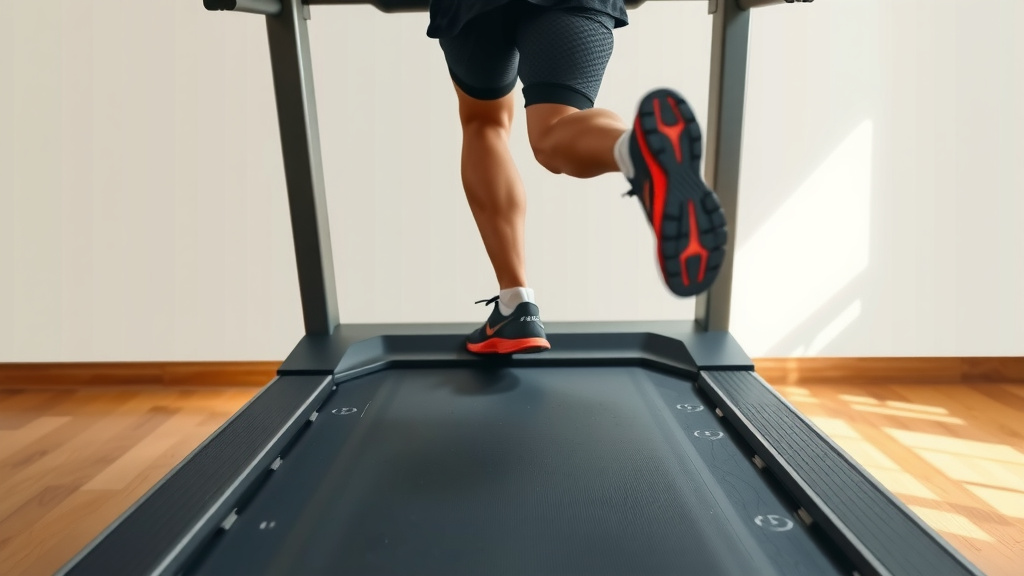
Have you ever noticed how the belt seems to pull your feet along? This can make it feel like you’re working less hard to achieve a certain speed compared to running on solid ground. Your stride might also change slightly because you don’t have to push off as hard with each step.
Environmental Conditions
When you run outside, you deal with wind resistance, temperature, and humidity. These factors can slow you down or speed you up depending on the day. A treadmill workout in a climate-controlled gym removes these variables. This consistency is great for tracking progress but can make outdoor running feel different.
Comparing Treadmill Speed to Outdoor Running
It’s a common belief that you need to run faster on a treadmill to get the same workout as running outside. Is it true? Research suggests there can be a slight difference, but it’s often not as big as people think.
Some studies found that people tend to run about 5-10% slower outdoors to achieve the same perceived exertion as on a treadmill. This is mainly due to the lack of wind resistance and the slight ‘pull’ from the moving belt. Think of it like running downhill versus on a flat surface – it feels easier.
However, using the incline feature can close this gap. Setting your treadmill to a 1% incline is often recommended to better simulate the energy expenditure of outdoor running. Many experts agree that this small adjustment helps to make your treadmill workout more comparable to your outdoor runs (NIH).
The Role of Wind Resistance
Wind is a major factor outdoors. On a windy day, you’re literally pushing against the air, which requires more energy. On a treadmill, even with a fan, there’s no real wind resistance to overcome. This is a primary reason why a treadmill pace might feel easier.
Stride Mechanics and Effort
Your natural gait can also be affected. On a treadmill, the belt moves under your feet. This can subtly change how you stride, often requiring less of a powerful push-off from your legs. Outdoor running demands more of that propulsion from your muscles.
Setting Your Treadmill Speed Goals
Knowing these differences helps you set realistic goals. Don’t get discouraged if your outdoor pace is slower than your treadmill pace! It’s a normal phenomenon.
Here’s a simple way to think about it:
| Treadmill Speed (mph) | Typical Outdoor Pace (mph) | Perceived Effort |
|---|---|---|
| 3.5 – 4.5 | 3.0 – 4.0 | Brisk Walk / Light Jog |
| 5.0 – 6.0 | 4.5 – 5.5 | Moderate Jog / Easy Run |
| 6.5 – 7.5 | 6.0 – 7.0 | Comfortable Run |
| 8.0+ | 7.5+ | Challenging Run / Tempo |
Remember, these are just general guidelines. Your personal fitness level, how you feel on any given day, and the specific treadmill you use all play a role. The most important thing is to find a pace that works for you and allows you to maintain your workout routine consistently.
Tips for Optimizing Your Treadmill Workout Speed
Want to get the most out of your treadmill sessions? Try these tips:
- Use the incline: Experiment with a 1% incline to better mimic outdoor conditions.
- Listen to your body: Don’t just stare at the speed. Pay attention to how your body feels.
- Vary your speed: Incorporate interval training with different speeds and inclines.
- Track your progress: Note your speeds and how you felt, both on the treadmill and outdoors.
- Be patient: Your treadmill speed might differ from your outdoor pace, and that’s okay!
Conclusion
You’ve learned that treadmill running speed isn’t a one-size-fits-all number. Your average pace likely falls between 4 to 6 mph for a good cardio workout, but advanced runners can easily push past 10 mph. Remember that treadmills lack wind resistance and the belt’s movement can affect your perceived effort.
To make your treadmill runs feel more like outdoor efforts, try using a 1% incline. Pay attention to how your body feels rather than just the numbers on the screen. Use this knowledge to set realistic goals and enjoy your consistent indoor training!
Frequently Asked Questions
Do I need to run faster on a treadmill than outdoors?
Research suggests you might run about 5-10% slower outdoors to match the same perceived effort as on a treadmill. This is mainly due to the lack of wind resistance and the slight ‘pull’ of the moving belt. Using a 1% incline on your treadmill can help bridge this gap.
What’s a good treadmill speed for beginners?
For beginners, a speed between 3 to 4 mph is a great starting point. This range typically feels like a brisk walk to a very light jog. Focus on building consistency and comfort with your routine before increasing the speed.
Is running at 6 mph on a treadmill considered fast?
For many people, 6 mph on a treadmill is a solid jogging pace. It’s a common speed for fitness enthusiasts looking for a good aerobic workout. If you find it challenging, it’s perfectly fine to start slower and build up your endurance.
How does incline affect my treadmill speed?
Using an incline on your treadmill significantly increases the effort required to maintain the same speed. This is because it better simulates running uphill outdoors and helps to counteract the lack of wind resistance. Even a small 1% incline can make a noticeable difference.
Can I use treadmill speed to train for an outdoor race?
Yes, you can effectively train for outdoor races on a treadmill. By incorporating incline changes and varying your speeds, you can create challenging workouts that build your fitness. Just be mindful of the differences and consider adjusting your pace slightly when you transition back outdoors.