How Many Steps Is 30 Minutes Walking on a Treadmill?
Most people walk between 2,000 and 3,000 steps in 30 minutes on a treadmill. This range can shift depending on your walking speed and incline. It’s a great way to get your daily steps in! You can often track this directly on your treadmill’s display.
Figuring out your personal step count can help you reach your fitness goals. Many factors influence how many steps you take. This includes your stride length and how briskly you’re moving. Knowing this helps you tailor your workouts effectively.
- A 30-minute treadmill walk usually hits 2,000-3,000 steps.
- Your speed and incline play a big role.
- It’s a solid way to boost your daily step total.
- Treadmills often display your step count for you.
Let’s break down how to estimate your steps and what influences that number. We’ll cover how to make the most of your treadmill time.
Estimating Your Steps During a 30-Minute Treadmill Walk
So, you’re curious about how many steps you can rack up in half an hour on the treadmill? It’s a fantastic question, and the answer is more of a range than a single number. Generally, you’re looking at somewhere between **2,000 and 3,000 steps** for a 30-minute walk. This is a good ballpark figure that helps you understand your workout’s intensity and contribution to your daily goals.
This range isn’t set in stone, of course. Think of it as a helpful guide. Your personal step count will depend on a few key factors. We’ll break down these influences so you can get a more accurate idea for yourself.
What Affects Your Step Count on a Treadmill?
Your 30-minute treadmill session is a dynamic workout. Several elements can change how many steps you take. Understanding these can help you adjust your routine for better results.
Speed is Your Stepping Engine
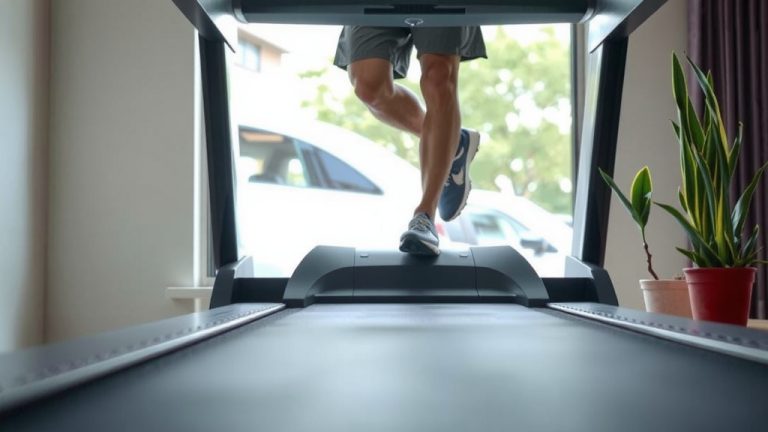
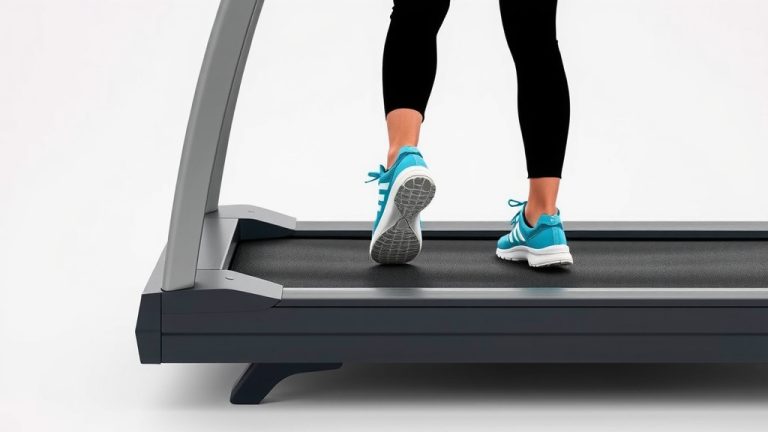
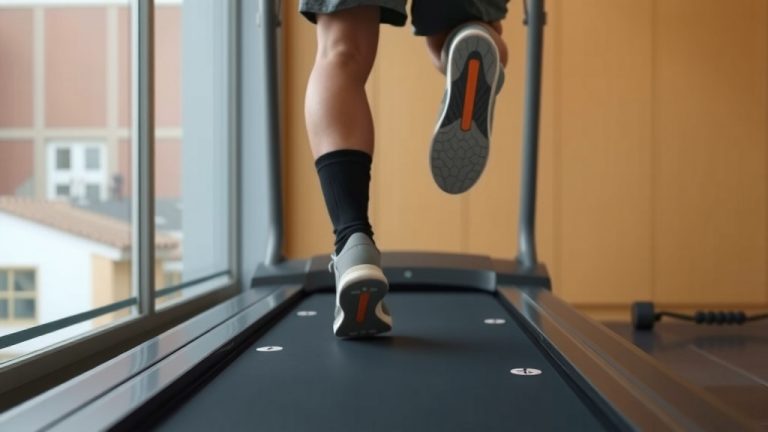
The most obvious factor is your walking speed. When you walk faster, you take more steps per minute. A leisurely stroll will naturally result in fewer steps than a brisk power walk. Many people find a comfortable brisk walking pace to be around 3 to 4 miles per hour (mph). At this pace, your stride lengthens, and your feet hit the belt more frequently.
Imagine a quick march versus a slow wander. The march covers more ground in the same amount of time. Your treadmill display usually shows your speed, making it easy to monitor. Try to maintain a consistent pace that challenges you slightly but is still sustainable for the full 30 minutes.
Incline Adds Intensity (and Steps!)
Did you know that increasing the incline on your treadmill can also boost your step count? When you walk uphill, you tend to take shorter, quicker steps. This increased cadence adds up over 30 minutes. Plus, walking on an incline burns more calories and works different leg muscles.
Think about hiking up a hill versus walking on flat ground. You naturally adjust your stride. Even a slight incline can make a difference. Many fitness experts recommend incorporating inclines to add variety and challenge to your walks (Cleveland Clinic). It’s a smart way to increase your workout’s effectiveness without necessarily increasing speed.
Stride Length Matters
Your natural stride length plays a role too. Taller individuals or those with a longer leg span often have a naturally longer stride. This means they might cover more distance with each step, potentially leading to fewer steps for the same distance compared to someone with a shorter stride. However, for a set amount of time, a longer stride often means you’re moving faster.
Some research suggests that simply focusing on taking more steps, regardless of stride length, is a good strategy for general health. The key is consistency and effort. Don’t worry too much about your natural stride; focus on maintaining a good pace and incline.
Your Body Mechanics and Cadence
How you move your body and the rhythm of your steps, known as cadence, are also important. A higher cadence (more steps per minute) means you’ll naturally hit the 2,000-3,000 step range more easily within 30 minutes. Factors like your fitness level and even how you swing your arms can influence your cadence.
For example, if you’re actively swinging your arms, it can help propel you forward and increase your pace. This contributes to a higher step count. It’s about finding a natural, efficient rhythm that works for your body.
How to Accurately Track Your Steps
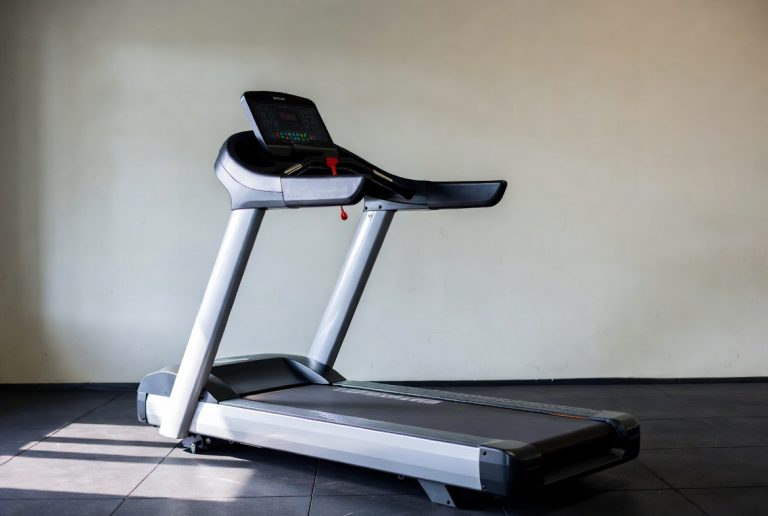
The good news is you don’t have to guess! Most modern treadmills come equipped with built-in tracking features. You can usually see your step count right on the console display.
Using Your Treadmill’s Built-in Tracker
When you start your 30-minute walk, look for a “Steps” or “Total Steps” display on the treadmill’s screen. It will automatically count each time your foot hits the belt. This is the most straightforward way to know your exact number for that session. Remember to start the timer or program for your workout so you know you’re tracking for the full 30 minutes.
External Trackers: Fitness Bands and Apps
If your treadmill doesn’t have a step counter, or you want to cross-reference, your fitness tracker or smartphone app is a great option. Devices like smartwatches or fitness bands are designed to count your steps throughout the day, including during workouts. Simply wear your device while you walk.
Make sure the device is worn snugly on your wrist for accurate tracking. Some apps can even differentiate between different types of activities. We found that using both the treadmill display and a wearable device can give you a good idea of consistency. Your phone’s built-in pedometer can also work if you keep it securely in a pocket.
Making the Most of Your 30-Minute Walk
A 30-minute walk is a fantastic way to boost your daily activity. It contributes positively to your overall health and fitness. Here’s how to optimize your time on the treadmill.
Setting Realistic Goals
Knowing your typical step count per 30 minutes helps you set achievable daily goals. If you aim for 10,000 steps a day, and you walk for 30 minutes, you’re already well on your way. A 30-minute session can easily contribute 2,000-3,000 steps, leaving you with 7,000-8,000 more to achieve through daily activities.
This makes the larger goal feel less daunting. Many health organizations recommend at least 150 minutes of moderate-intensity aerobic activity per week, and a brisk 30-minute walk fits perfectly (CDC). Breaking it down into manageable chunks like this is key.
Varying Your Intensity
Don’t be afraid to mix things up! For one 30-minute session, you might aim for a steady, brisk pace. In another, you could try incorporating intervals of faster walking or higher inclines. This variation keeps your body challenged and prevents boredom.
For instance, try this simple interval structure:
- 5 minutes warm-up at a comfortable pace.
- 20 minutes alternating between 1 minute of fast walking (higher speed or incline) and 2 minutes of moderate walking.
- 5 minutes cool-down at a slow pace.
Consistency is Key
The most important thing is to be consistent. Whether you walk for 30 minutes every day or a few times a week, regularity is what yields the best health benefits. Aim to make your treadmill walks a regular part of your routine. Even short bursts of activity throughout the day can add up.
Think of it like this: a consistent drip of water can eventually wear away a stone. Similarly, consistent walking, even for 30 minutes, builds up fitness and health over time. Your body will thank you for the regular movement!
Conclusion
You’ve learned that 30 minutes on the treadmill typically lands you between 2,000 and 3,000 steps. Remember, your pace and the incline you choose are your biggest levers for changing that number. Your personal stride and how you move also play a part.
The best part? Tracking these steps is easy with your treadmill’s display or a fitness tracker. Now you have the knowledge to make every 30-minute walk count towards your health goals. So, lace up your shoes, hop on, and start stepping!
Frequently Asked Questions
Is 30 minutes of treadmill walking enough for fitness?
Yes, 30 minutes of moderate-intensity treadmill walking is an excellent way to meet physical activity guidelines. It contributes significantly to cardiovascular health and can help you burn calories. Consistency is key, so aim to make it a regular part of your week.
Can walking speed really change my step count that much?
Absolutely. A faster walking speed means you take more steps per minute. If you increase your pace from a casual stroll to a brisk power walk, you’ll see a noticeable jump in your step count within those 30 minutes.
Does incline make a big difference in steps?
Yes, inclines can increase your step count. When you walk uphill, your cadence (steps per minute) often increases, leading to more steps in the same amount of time. It also makes the workout more challenging and burns more calories.
How can I track my steps if my treadmill doesn’t have a counter?
If your treadmill lacks a step counter, you can use a fitness tracker, smartwatch, or even your smartphone. Wear your device snugly on your wrist or keep your phone securely in a pocket. Many apps can accurately track your steps during workouts.
Should I focus on speed or incline to get more steps?
You can focus on either, or a combination! Increasing your speed will directly increase your steps per minute. Increasing the incline often leads to shorter, quicker steps, also boosting your step count. Experiment to see what feels best for your workout and goals.