Treadmill Level 12 Speed Explained
Level 12 on a treadmill generally means a speed of 12 miles per hour. This is a pretty fast pace, often considered a sprinter’s speed. It’s equivalent to running a 5-minute mile. Many treadmills cap out at this speed, so it’s at the upper limit for most home models.
So, what does running at 12 mph feel like? It’s a challenging pace that requires a lot of effort and conditioning. Most people use this speed for short bursts, like in interval training. It’s not typically a speed for long, steady runs. If you’re aiming for this level, you’ll want to be prepared for a serious workout.
- Level 12 on a treadmill is 12 mph.
- This is a very fast pace, like a sprinter’s speed.
- It’s often the maximum speed for many treadmills.
- It’s best for short interval training, not long runs.
- You’ll need good fitness to handle this speed.
Let’s dive a bit deeper and see how this speed compares and what it means for your training.
“`htmlUnderstanding Treadmill Speed Levels
When you see “Level 12” on a treadmill, it’s generally indicating a speed. You’re likely wondering, how fast is level 12 on a treadmill?
In most standard home and commercial treadmills, “Level 12” translates directly to 12 miles per hour (mph). Think of it as a direct number-to-speed conversion. It’s a common system, making it easy to gauge your workout intensity.
What 12 Miles Per Hour Really Means
So, 12 mph. What does that feel like? Imagine running a 5-minute mile. That’s precisely the pace we’re talking about. Our guide to 10 mph on a treadmill explains this similar high speed.
This speed is elite territory. It’s the kind of pace competitive runners hit during sprints. For the average person, maintaining this speed for an extended period is a serious challenge. It requires both physical conditioning and mental focus.
Comparing 12 MPH to Common Paces
Let’s put 12 mph into perspective:
- Walking Pace: Typically around 3-4 mph.
- Jogging Pace: Usually between 4-6 mph.
- Running Pace: Often 6-8 mph for many recreational runners.
- Fast Running/Sprinting: This is where 12 mph fits in, usually reserved for short bursts.
Many treadmill manufacturers set their maximum speed at 12 mph. This tells you it’s considered the upper limit for a wide range of users. Some high-end or specialized machines might go faster, but 12 mph is a very common ceiling.
Is Level 12 for You?
Running at 12 mph is not for the faint of heart, or the newly initiated runner. It demands a significant level of fitness. If you’re just starting out, or haven’t run consistently, this speed will likely be too intense.
We found that consistent training is key. Building up to this speed takes time. Gradually increasing your pace over weeks and months is the smartest approach. Listen to your body. Pushing too hard too soon can lead to injury.
Who Typically Uses Level 12?
You’ll often find athletes and serious runners using this speed. It’s a fantastic tool for interval training. Think of those intense “all-out” sprints. A few seconds or a minute at 12 mph can make a big difference in your workout.
It’s also great for sprinters looking to simulate race conditions. They can practice their speed and endurance in a controlled environment. Many sports teams use treadmills at this level for conditioning drills. It helps build explosive power and cardiovascular capacity.
Interval Training at High Speeds
Interval training involves alternating between high-intensity bursts and periods of lower intensity or rest. This method is highly effective for improving both speed and endurance. For example, you might sprint at 12 mph for 30 seconds, then slow down to a jog at 6 mph for 60 seconds. Repeat this cycle several times.
This type of training can significantly boost your metabolism. It also helps your body become more efficient at using oxygen. Many fitness experts recommend interval training for its calorie-burning potential. It’s a time-efficient way to get a tough workout.
Safety First When Reaching Top Speeds
Safety is incredibly important when you’re pushing your limits. Treadmills have safety features for a reason. Always make sure the safety clip is attached to your clothing. This will stop the machine if you stumble or fall.
Before you even consider 12 mph, ensure you’re comfortable with slower speeds. Can you run a mile or two at 8 or 9 mph without feeling completely wiped out? If not, build up to that first. Gradual progression is your best friend.
We found that many users also benefit from using the treadmill’s handrails for balance, especially when starting at a new, high speed. However, try to rely on them less as you gain confidence. Holding on too much can affect your natural running form and posture.
Treadmill Limitations and Features
As mentioned, 12 mph is often the maximum speed on many treadmills. This is a key piece of information to know. If you’re looking for speeds beyond this, you’ll need to research specific, high-performance models.
Check your treadmill’s manual or specifications. It will clearly state its maximum speed. This helps you understand what your machine is capable of. Knowing your equipment ensures you set realistic training goals.
What About Incline?
Speed isn’t the only way to increase workout intensity. Treadmills also feature incline settings. Running at a 12 mph speed with a 2% incline is significantly harder than running at 12 mph on a flat surface.
Combining high speed with incline drastically increases the challenge. It targets different muscle groups and cardiovascular systems. This is advanced training. Be sure you can handle the speed first before adding incline.
Preparing Your Body for Level 12
Getting to a point where you can comfortably handle 12 mph requires preparation. Your cardiovascular system, leg muscles, and even your breathing need to be ready.
Consistency in your running routine is paramount. Aim for 3-4 running sessions per week. Gradually increase the duration and speed of your runs. Incorporate shorter, faster intervals into your existing workouts. This helps your body adapt to higher speeds.
The Role of Proper Footwear
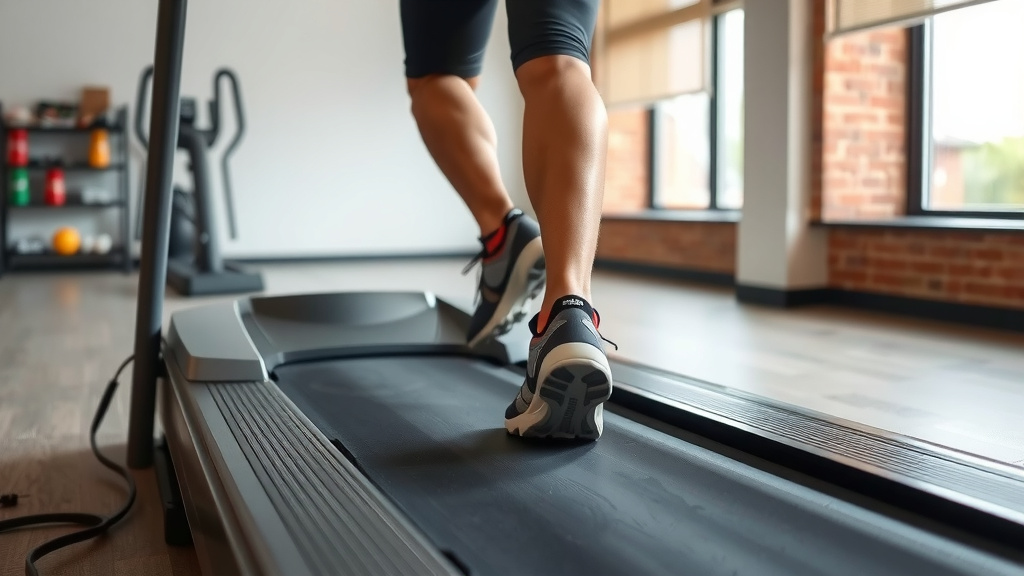
When you’re running at high speeds, your feet take a beating. Having the right running shoes is non-negotiable. Good shoes provide cushioning and support, which are vital for preventing injuries.
We found research suggesting that worn-out shoes can increase your risk of impact-related injuries. Look for shoes designed for running, with adequate shock absorption. If you’re unsure, visit a specialty running store for a gait analysis and fitting.
Making the Most of Your High-Speed Workouts
Running at 12 mph is a serious workout. It’s best used strategically. Don’t try to maintain this speed for your entire run.
Focus on short, powerful bursts. Use it for sprint intervals, hill repeats (simulated on a treadmill), or finishing sprints. These can add intensity without excessive fatigue or risk.
Listen to Your Body
This is perhaps the most critical advice. Your body will tell you when it’s had enough. Pay attention to signs of fatigue, muscle strain, or pain. Pushing through sharp pain is never a good idea.
Rest and recovery are just as important as the workout itself. Ensure you’re getting enough sleep and proper nutrition. This allows your muscles to repair and grow stronger, preparing you for your next high-speed session.
A Checklist for Tackling Level 12
Ready to aim for Level 12? Here’s a quick checklist to ensure you’re prepared:
- Ensure your treadmill goes up to 12 mph.
- Build a solid base of consistent running.
- Practice interval training at lower speeds first.
- Wear appropriate, well-fitting running shoes.
- Always use the safety clip.
- Warm up thoroughly before each session.
Conclusion
So, you’re curious about Level 12 on the treadmill! We’ve seen that it typically means a solid 12 miles per hour – that’s sprinting speed, a 5-minute mile pace. It’s a challenging level, often the maximum on home machines, best suited for short, intense interval training, not long endurance runs. Remember, consistency and proper preparation are key to safely tackling this speed. If you’re aiming for Level 12, focus on building your fitness gradually and always prioritize safety.
Your next step? If you’re not quite there yet, start incorporating short bursts of faster running into your current workouts. Listen to your body, ensure you have the right gear, and you’ll be well on your way to conquering that 12 mph mark.
Frequently Asked Questions
Can any treadmill reach Level 12?
Most standard home and commercial treadmills are designed to reach 12 mph, making it a common top speed. However, some older or very basic models might have a lower maximum speed. Always check your treadmill’s specifications to confirm its capability.
Is running at Level 12 safe for beginners?
No, Level 12 is generally not recommended for beginners. It’s an advanced speed that requires a strong fitness base and proper running technique. Beginners should focus on building up endurance and speed gradually at lower levels first.
How can I train to run at 12 mph?
To train for 12 mph, gradually increase your running speed over several weeks. Incorporate interval training, alternating short sprints at high intensity with periods of recovery. Building a consistent running routine and strengthening your legs are also essential steps.
What are the benefits of interval training at Level 12?
Interval training at 12 mph can significantly boost your cardiovascular fitness and calorie burn in a short amount of time. These high-intensity bursts help improve speed, power, and your body’s ability to use oxygen efficiently.
What if my treadmill doesn’t go to 12 mph?
If your treadmill’s maximum speed is less than 12 mph, you’ll need to look into high-performance or specialized models if you want to reach that speed. For now, focus on using your current machine to its full potential and gradually increasing speed and incline to maximize your workout.