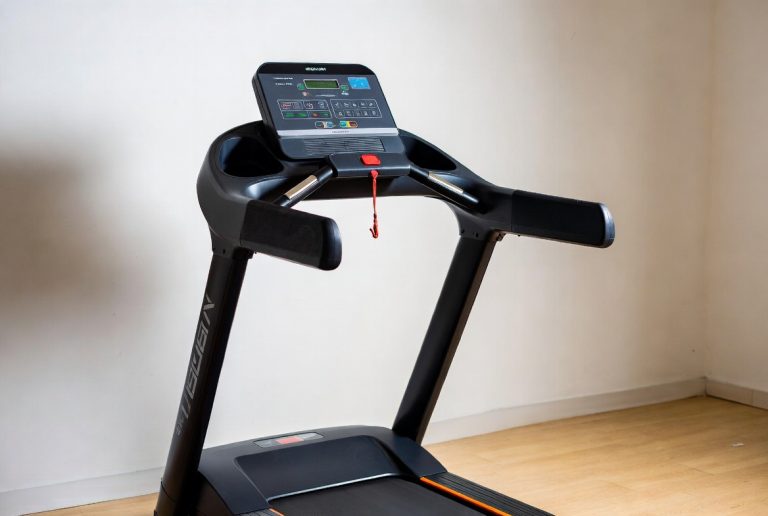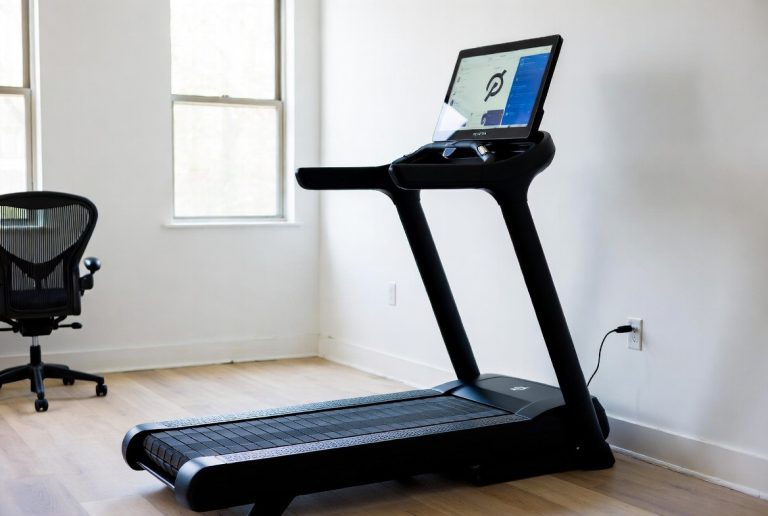
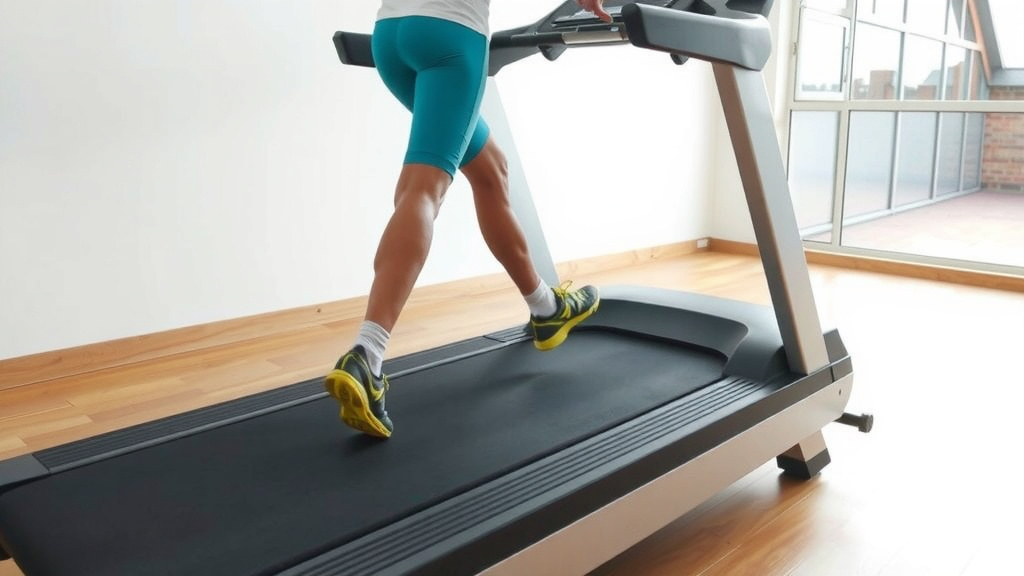
What 5.0 Treadmill Speed Means For Your Workout
So, you’re wondering, “How fast is 5.0 on a treadmill?” Generally, a 5.0 speed on a treadmill is considered a **brisk walking pace**. It’s a speed that feels like you’re really moving, not just strolling. Many people use this setting for an effective cardio workout.
This pace translates to about a 12-minute mile. It’s faster than a casual walk but slower than a jog for most individuals. We found that 5.0 mph is a great speed for warming up or for a steady-state cardio session without being too strenuous.
- 5.0 mph is a brisk walk.
- It’s often used for warm-ups.
- It can also be a good pace for sustained cardio.
- This speed is about a 12-minute mile.
Let’s break down what 5.0 mph on a treadmill actually means for your workout and your fitness goals.
Understanding Treadmill Speed 5.0: Your Brisk Walking Pace
So, what does 5.0 on the treadmill dial actually mean for your workout? We found that 5.0 miles per hour (mph) on a treadmill is a **brisk walking speed** for most people. It’s faster than a leisurely stroll but not quite a jog.
Think of it as the pace you’d walk if you were in a hurry to get somewhere or power-walking with a purpose. It often feels like a good, solid workout pace without requiring you to break into a run. We’ve seen many users settle into this speed for a really effective cardio session.
What 5.0 MPH Feels Like for Your Body
When you set your treadmill to 5.0 mph, your body will respond. Your heart rate will likely increase, and you’ll start to feel your muscles engage more than they would during a casual walk. Your breathing will deepen, but you should still be able to hold a conversation, albeit a slightly breathless one.
This speed is often right around the mark where many people find their **sweet spot for cardio**. It’s enough to challenge your cardiovascular system, helping to improve your endurance and burn calories. For many, it’s the speed that makes them feel like they are truly exercising.
Your Heart Rate at 5.0 MPH
While individual responses vary, a 5.0 mph pace generally elevates your heart rate into the moderate-intensity zone. This zone is excellent for improving cardiovascular health. According to the Centers for Disease Control and Prevention (CDC), moderate-intensity aerobic activity means you can “talk but not sing” during the activity.
We found that for the average adult, this speed often falls within the 50-70% range of their maximum heart rate. This is a fantastic place to be for a sustained workout that builds endurance without excessive strain. It’s a **sustainable pace** for many people.
Calorie Burn at 5.0 MPH
The number of calories you burn at 5.0 mph depends on several factors, including your weight, metabolism, and the duration of your workout. However, research indicates that this speed offers a **respectable calorie burn**.
For instance, a person weighing around 150 pounds might burn approximately 250-300 calories in a 30-minute session at this speed. This is a solid contribution to weight management goals. It’s more than a light walk, making it an efficient use of your workout time.
Using 5.0 MPH Effectively in Your Fitness Routine
A 5.0 mph speed is surprisingly versatile. It can serve multiple purposes within your training plan, from warming up to steady-state cardio and even active recovery. We’ve seen it used by a wide range of fitness enthusiasts.
The Ideal Warm-Up Pace
Many trainers recommend starting your workout with a warm-up. A treadmill speed of 5.0 mph is often perfect for this. It gently increases your body temperature and prepares your muscles for more intense activity. This can help **reduce the risk of injury**.
You can start at a lower speed and gradually increase to 5.0 mph for about 5-10 minutes. This allows your heart rate to rise steadily and your joints to loosen up. It sets a positive tone for the rest of your workout session.
Steady-State Cardio at 5.0 MPH
For those looking for a consistent, moderate-intensity workout, 5.0 mph is a great choice. This is known as steady-state cardio. You maintain the same pace for an extended period, typically 30 minutes or more. It’s excellent for **building aerobic capacity**.
This type of training is effective for improving endurance and helping your body become more efficient at using oxygen. It’s also less taxing on your body than high-intensity interval training, making it suitable for more frequent workouts. Many find it easier to recover from this type of session.
Comparing 5.0 MPH to Other Speeds
To put 5.0 mph into perspective, let’s compare it to other common treadmill speeds. This comparison helps you understand where it fits in your personal fitness journey. We found this helps users visualize their progress.
| Treadmill Speed (MPH) | Description | Pace (Minutes per Mile) |
|---|---|---|
| 2.5 – 3.0 | Slow Walk | 20 – 24 min/mile |
| 3.0 – 4.0 | Brisk Walk / Very Slow Jog | 15 – 20 min/mile |
| 4.0 – 5.0 | Brisk Walk / Light Jog | 12 – 15 min/mile |
| 5.0 – 6.0 | Jog / Light Run | 10 – 12 min/mile |
| 6.0 – 7.0 | Moderate Run | 8.5 – 10 min/mile |
As you can see from the table, 5.0 mph is firmly in the brisk walking or very light jogging category. It’s a speed that feels purposeful and gets your heart pumping without necessarily feeling like you’re going all-out. Many people find it a **comfortable yet challenging** speed.
When to Consider Adjusting Your Speed
While 5.0 mph is a great benchmark, remember that your body is unique. What feels brisk to one person might be a light jog for another. Listen to your body. If 5.0 mph feels too easy, it might be time to **increase the speed** slightly.
Conversely, if 5.0 mph feels too difficult, don’t hesitate to slow down. You can always increase the duration at a lower, more sustainable speed. Or, try reducing the speed to 4.5 mph and increase your workout time. The goal is **consistent movement** that you can maintain.
We found that progress often comes from small, consistent efforts. If you’re new to treadmill workouts, starting at a comfortable pace and gradually working your way up is key. Here’s a quick checklist to guide you:
- Assess your current fitness level honestly.
- Start with 5.0 mph for a few minutes to gauge your effort.
- Can you talk but not sing? That’s a good sign for moderate intensity.
- Are you breathing heavier but not gasping?
- If it feels right, aim for 20-30 minutes.
- If it’s too hard, reduce the speed and focus on duration.

Conclusion
So, you’ve learned that 5.0 mph on a treadmill is a solid, brisk walking pace. It’s a speed that provides an effective cardio workout, whether you’re warming up or enjoying a steady-state session. We found it’s a great way to boost your heart rate and burn calories without feeling overwhelmed. Remember, this pace is a guide; your fitness journey is unique. Listen to your body and adjust as needed. The most important step is to keep moving consistently toward your health goals.
Frequently Asked Questions
Is 5.0 mph too fast for a beginner on a treadmill?
For many beginners, 5.0 mph is a brisk walk, not a run. If you’re new to treadmills, you might want to start a bit slower, perhaps at 3.0-4.0 mph, to gauge your comfort. You can gradually increase the speed as you feel stronger.
Can I lose weight walking at 5.0 mph on a treadmill?
Yes, consistently walking at 5.0 mph can contribute to weight loss. This speed offers a respectable calorie burn, especially when combined with a healthy diet. Aim for longer durations, like 30 minutes or more, for the best results.
What kind of workout is 5.0 mph on a treadmill?
A speed of 5.0 mph typically falls into the moderate-intensity cardio zone. It’s considered a brisk walk or a very light jog for most people. This pace is great for improving cardiovascular health and building endurance.
How many calories can I burn at 5.0 mph?
The number of calories burned varies based on your weight and workout duration. For example, a 150-pound person might burn around 250-300 calories in 30 minutes at 5.0 mph. Increasing your workout time will increase your calorie burn.
Should I run or walk at 5.0 mph on the treadmill?
For most individuals, 5.0 mph is a brisk walking pace. If you’re a seasoned runner, you might find it to be a very light jog. It’s best to gauge how it feels for you; if you can talk but not sing, it’s likely a good moderate intensity for walking.