How to Use an Assault Treadmill
Using an assault treadmill, also known as a self-powered treadmill, is all about controlling your speed through your own movement. You simply push off the belt to go faster and ease up to slow down, making it a highly intuitive piece of equipment for intense workouts. It’s a fantastic way to improve your running form and build explosive power.
Unlike motorized treadmills, assault treadmills have no speed limit and offer a unique challenge. This design allows for rapid changes in pace and interval training, as you are the sole controller of the belt’s speed. Many users find it an excellent tool for building a stronger, more efficient stride and boosting overall conditioning.
TL;DR:
- Assault treadmills are self-powered.
- You control speed by pushing the belt.
- Great for interval training and improving form.
- No motor means no speed limit.
- Focuses on explosive power and conditioning.
Ready to feel the burn and see real results? Let’s walk through exactly how to get the most out of your assault treadmill workout, step by step.
Mastering Your Assault Treadmill Workout
So, you’re ready to get acquainted with your new assault treadmill? That’s fantastic! These machines offer a seriously effective workout. Let’s break down how to use it safely and efficiently to get the best results.
Getting Started: Your First Steps
Before you hop on, take a moment to get familiar with the machine. Unlike a traditional treadmill, there’s no power button to hit or speed dial to adjust. It’s all about you!
Understanding the Mechanics
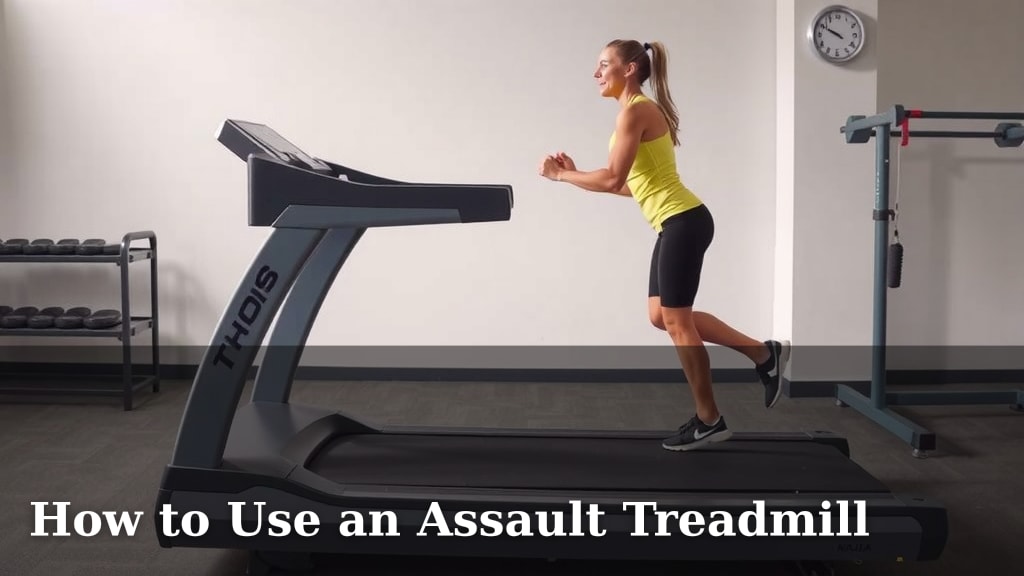
The core principle is simple: your movement powers the belt. When you step onto the belt, it will likely start moving slowly. To pick up speed, you’ll need to actively push off the belt with your feet. This engages your muscles more intensely. To slow down, you simply ease up on your pushing force.
Initial Calibration: Finding Your Pace
Your first few minutes on the assault treadmill should be about gentle exploration. It’s like learning to ride a bike for the first time. Start with a slow walk. Feel how your steps influence the belt’s speed.
- Take a step onto the belt.
- Begin a slow, easy walk.
- Notice how the belt responds to your natural stride.
- Gradually increase your stride length and frequency.
The “No Motor” Advantage
Remember, there’s no motor limiting you here. This means you can sprint as fast as you possibly can! Research suggests that self-powered treadmills can lead to higher calorie expenditure compared to motorized ones (NCBI). This is because your body is working harder to propel the belt.
Controlling Speed and Intensity
This is where the real fun begins. Mastering speed control is key to maximizing your assault treadmill sessions.
The Push and Pull of Speed
Think of it like this: the harder and faster you push your feet backward, the faster the belt will move. Conversely, a gentler push will slow you down. You’re essentially creating the resistance and speed yourself.
Speeding Up
To increase your pace, focus on your stride turnover. Aim for quicker steps and a more powerful push-off. Imagine you’re trying to push the belt away from you with each stride. Your arms play a role too; a more active arm swing can help you generate momentum.
Slowing Down
To decelerate, simply reduce the force of your push-off. Let your feet land more softly. You can also slightly shorten your stride. It’s a natural process that you’ll quickly get the hang of.
Heart Rate Zone Training
Assault treadmills are excellent for heart rate zone training. Because you control the speed and resistance, you can precisely target different heart rate zones. This is fantastic for improving cardiovascular health and endurance (CDC). Many fitness experts recommend working within specific heart rate zones for optimal training benefits.
Low Intensity (Warm-up/Cool-down)
A very gentle walk where you can easily hold a conversation. Your heart rate will be around 50-60% of your maximum.
Moderate Intensity (Fat Burning/Endurance)
A brisk walk or light jog. You can talk, but it’s getting a bit more challenging. Aim for 60-70% of your maximum heart rate.
High Intensity (Performance)
Running at a challenging pace. Talking is difficult; you can only manage short sentences. This is typically 80-90% of your maximum heart rate.
Interval Training with Your Assault Treadmill
This is where the assault treadmill truly shines. Its ability to facilitate rapid pace changes makes it perfect for High-Intensity Interval Training (HIIT).
Structuring Your Intervals
HIIT involves short bursts of intense effort followed by brief recovery periods. With an assault treadmill, you can dictate these changes on the fly.
Here’s a simple structure to get you started:
- Warm-up: 5 minutes of easy walking.
- Work Interval: 30 seconds of sprinting as fast as you can.
- Recovery Interval: 60 seconds of slow walking or standing still.
- Repeat: Aim for 6-10 rounds of work and recovery.
- Cool-down: 5 minutes of easy walking.
Example Workout Breakdown
Let’s say you want to do a 20-minute HIIT session. You could structure it like this:
- Minute 1-5: Brisk walk (warm-up).
- Minute 6: Sprint hard for 30 seconds, then recover with a walk for 30 seconds.
- Minute 7: Sprint hard for 30 seconds, then recover with a walk for 30 seconds.
- Minute 8: Sprint hard for 30 seconds, then recover with a walk for 30 seconds.
- Minute 9: Sprint hard for 30 seconds, then recover with a walk for 30 seconds.
- Minute 10: Sprint hard for 30 seconds, then recover with a walk for 30 seconds.
- Minute 11-15: Active recovery – slow, easy walking.
- Minute 16-19: Repeat the sprint/walk interval pattern (30/30).
- Minute 20: Very slow walk to cool down.
This structure allows for quick adjustments. If you feel you can push harder, go for it. If you need a bit more recovery, extend that walking period slightly. The key is listening to your body.

Form and Technique on the Assault Treadmill
Using the assault treadmill correctly can help prevent injuries and make your workouts more effective.
Maintain Good Posture
Keep your head up and your shoulders relaxed. Avoid leaning too far forward or backward. A slight forward lean is natural when running, but don’t hunch over. Good posture is essential for efficient movement, according to many biomechanics experts.
Natural Arm Swing
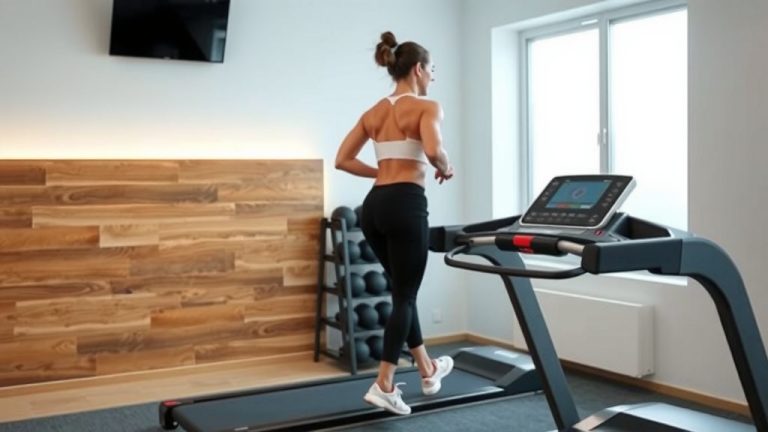
Allow your arms to swing naturally, coordinating with your leg stride. This helps with balance and momentum. Avoid stiff arms or crossing them in front of your body.
Foot Placement
Try to land mid-foot rather than on your heel. This promotes a more natural gait and can reduce impact. Focus on a smooth, rolling motion from heel to toe.
Safety First!
While exhilarating, safety is paramount. These machines demand your attention.
Always Be Ready to Bail
Never jump onto the belt at full speed. Always start slowly. If you feel unstable or lose control, be prepared to step off the side of the treadmill. Most assault treadmills have side rails for this purpose.
Listen to Your Body
Push your limits, but know when to back off. If you experience any pain, stop immediately. Dizziness or lightheadedness are also signals to take a break. Staying hydrated is also key (Mayo Clinic).
Quick Checklist for Your Workout:
- Start slow and warm up properly.
- Maintain good posture throughout.
- Control speed with your stride and push.
- Listen to your body and adjust as needed.
- Be ready to step off if you feel unstable.
- Cool down gradually after your session.
You’ve got this! With a little practice, you’ll be a pro at harnessing the power of the assault treadmill for incredible fitness gains.
Conclusion
You’ve learned the ins and outs of mastering your assault treadmill. Remember, it’s all about your personal drive — you control the speed and intensity with every push. This self-powered machine is your ticket to explosive power, improved running form, and incredible conditioning. Embrace the challenge, listen to your body, and don’t be afraid to push your limits safely. Ready to feel the difference? Your next great workout awaits!
Frequently Asked Questions
How do I get the assault treadmill to move at all?
Simply step onto the belt to initiate movement. It will start moving slowly as you put weight on it. To get it going faster, you need to start walking or running, actively pushing the belt backward with your feet.
What’s the best way to slow down on an assault treadmill?
Slowing down is just as intuitive as speeding up. To decelerate, ease up on the force of your push-off with each stride. You can also slightly shorten your stride length or take softer steps on the belt.
Can I do speed intervals on an assault treadmill?
Absolutely! Assault treadmills are perfect for interval training because you can change your speed instantly. Just push harder for sprint intervals and ease up for recovery periods.
Is it harder to run on an assault treadmill than a regular one?
Yes, many users find it more challenging. Since you’re powering the belt, your body works harder to maintain speed and can lead to a higher calorie burn compared to motorized treadmills.
What if I lose control or feel unstable on the treadmill?
Always be ready to step off onto the side rails. Start at a slow pace and never jump on at high speed. If you feel unstable, immediately reduce your effort and step off safely.