
Treadmill Running for Weight Loss: How Effective Is It
Yes, running on a treadmill can be a great tool for weight loss. It offers a controlled environment to burn a significant number of calories, which is key for creating the calorie deficit needed to lose weight. When you consistently burn more calories than you consume, your body starts using stored fat for energy, leading to weight reduction.
It’s an accessible way to get your cardio in, regardless of the weather outside. Many find treadmills helpful for tracking progress and adjusting workout intensity easily. Plus, focusing on your stride and pace can be a mindful activity, aiding in stress reduction too, which indirectly supports weight loss efforts.
- Treadmills are effective for burning calories.
- Consistency is key for weight loss results.
- You can easily control workout intensity.
- Track your runs to monitor progress.
Ready to see how a treadmill can fit into your weight loss plan? Let’s break down how to make it work best for you.
You’ve got the intro to treadmills and weight loss covered, and that’s fantastic! You know they can torch calories and help you shed pounds. Now, let’s dig a little deeper into *how* you can make that treadmill your weight loss best friend. It’s not just about hopping on and running; it’s about being smart with your workouts.
Making Treadmill Running Work for Your Weight Loss Goals
Running on a treadmill is a solid strategy for weight loss. It provides a controlled environment. This means you can focus on burning calories effectively. Creating a calorie deficit is essential. You need to burn more than you consume. Treadmills make this process quite manageable. You can easily adjust speed and incline. This helps you tailor your workout to your fitness level. It also allows you to progress over time.
Understanding Calorie Burn on the Treadmill
The main draw of treadmill running for weight loss is its calorie-burning potential. Research shows that running is one of the most efficient ways to burn calories. The exact number of calories you burn depends on a few factors. These include your weight, the intensity of your run, and how long you run for.
For instance, a person weighing 150 pounds might burn around 100 calories for every mile they run. This is a general estimate, of course. Your metabolism plays a big role too. Consistency is the magic ingredient here. Running regularly will lead to a consistent calorie expenditure.
Factors Affecting Treadmill Calorie Burn
Let’s break down what influences how many calories you torch:
- Your Body Weight: Heavier individuals tend to burn more calories. This is because it takes more energy to move a larger mass.
- Intensity of Your Workout: A faster pace or a steeper incline burns more calories. Think of it like pushing a heavier object uphill.
- Duration of Your Run: The longer you stay on the treadmill, the more calories you’ll burn. Simple math, right?
- Your Individual Metabolism: Some people naturally burn calories faster than others.
The Role of Incline and Speed
Don’t just stick to a flat, steady pace. Mixing things up is key. Increasing the incline on your treadmill can dramatically boost calorie burn. It engages different muscles, like your glutes and hamstrings. It also mimics uphill running, which is a tougher workout. You can find that even a small incline can make a big difference in your effort and calorie count.
Similarly, varying your speed is effective. You don’t need to sprint the entire time. Incorporating interval training is a smart move. This means alternating between short bursts of high intensity and periods of lower intensity. Many treadmills have built-in interval programs. These can guide you through effective workouts.
Structuring Your Treadmill Workouts for Maximum Impact
To really see those weight loss results, your treadmill sessions need structure. Simply running aimlessly might not be enough. You need a plan. We’ve found that structured workouts lead to better outcomes.
Consistency is Your Best Friend
How often should you run? Aim for consistency. Many health organizations suggest at least 150 minutes of moderate-intensity aerobic activity per week. For weight loss, you might need more. Try for 3-5 treadmill sessions per week. Even 20-30 minutes per session can add up. Listening to your body is also important. Don’t push too hard too soon.
Interval Training on the Treadmill
Interval training, or HIIT (High-Intensity Interval Training), is a powerhouse for calorie burning. It’s also great for boosting your metabolism long after your workout ends. This is sometimes called the “afterburn effect.”
Here’s a simple interval structure you can try:
- Warm-up: 5 minutes of easy walking.
- High-Intensity Interval: 30 seconds of fast running or sprinting.
- Recovery Interval: 60-90 seconds of brisk walking or slow jogging.
- Repeat: Do this for 15-20 minutes.
- Cool-down: 5 minutes of easy walking.
This type of workout is demanding but highly effective. It challenges your cardiovascular system. It also burns a substantial number of calories in a shorter amount of time. Many experts recommend interval training for efficient weight loss.
Steady-State Cardio
Don’t underestimate the power of a good old-fashioned steady-state run. This is where you maintain a consistent, moderate pace for an extended period. It’s less intense than intervals but can be sustained for longer. This means you can burn a lot of calories over, say, 45-60 minutes. Steady-state cardio is excellent for building endurance.
You can alternate between interval training days and steady-state days. This variety keeps your body guessing. It also prevents boredom. A balanced approach is often the most sustainable for long-term weight loss.
Tracking Your Progress and Staying Motivated
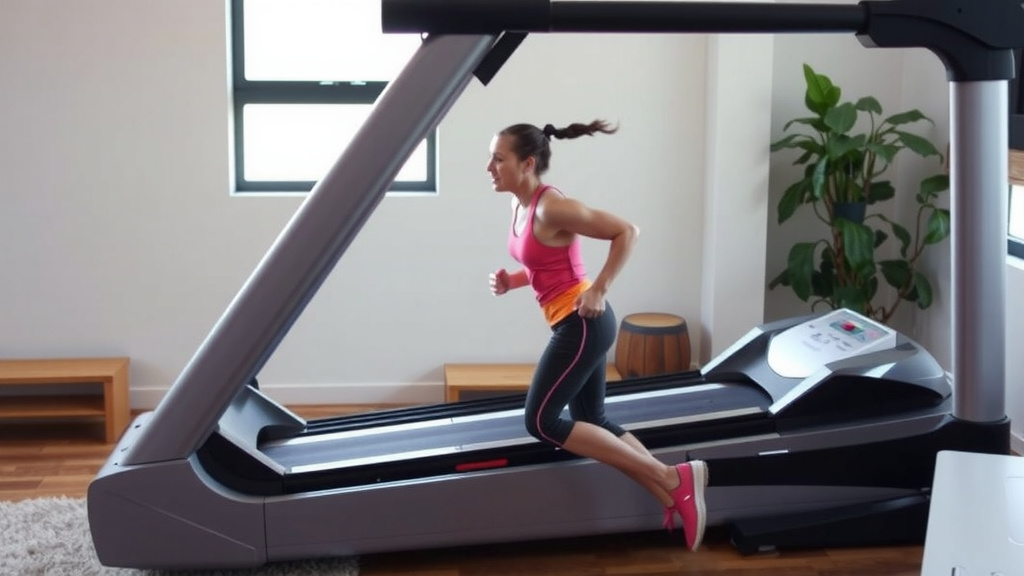
You’re putting in the effort, so you want to see results, right? Tracking your runs can be incredibly motivating. Most treadmills have built-in consoles that show you distance, time, speed, and calories burned. Use these metrics!
Using Treadmill Metrics Wisely
The calorie count on treadmills is often an estimate. Don’t rely on it as gospel. However, it’s a useful tool for comparing different workouts. If you ran for 30 minutes and burned 300 calories, and the next week you run for 30 minutes and burn 330 calories, you know you’ve improved! This kind of data can be a real confidence booster.
You can also use fitness trackers or apps. These often give more personalized calorie burn estimates. They can sync with your treadmill or be worn during your run. Seeing your progress laid out can be a powerful motivator. It shows you that your hard work is paying off.
Setting Realistic Goals
It’s important to set achievable goals. Don’t expect to lose 20 pounds in the first week. Weight loss is a journey. Celebrate the small victories, like running for an extra 5 minutes or increasing your speed slightly. These milestones add up. Many fitness professionals suggest aiming for 1-2 pounds of weight loss per week. This is a healthy and sustainable rate.
Creating a Fun and Engaging Experience
Let’s be honest, running on a treadmill can sometimes feel a bit… monotonous. How do you keep it from becoming a chore?
Here are a few ideas:
- Listen to Music or Podcasts: Create playlists that energize you. Dive into interesting podcasts to distract you from the time.
- Watch TV Shows or Movies: Catch up on your favorite series while you run. Just make sure your workout intensity doesn’t drop too much!
- Virtual Running Apps: Some apps simulate real-world running routes. You can run through beautiful landscapes without leaving your living room.
- Workout Buddies: If possible, have a friend join you. You can chat and motivate each other.
Making your treadmill time enjoyable is half the battle. When you look forward to your runs, you’re much more likely to stick with them. And consistency, as you know, is key for weight loss.
| Workout Type | Intensity | Calorie Burn Potential | Best For |
|---|---|---|---|
| Steady-State Cardio | Moderate, consistent pace | High over longer duration | Building endurance, consistent calorie burn |
| Interval Training (HIIT) | Alternating high and low intensity | Very high, especially with afterburn | Maximum calorie burn in less time, improving fitness |
| Incline Walking/Running | Moderate to high, depending on speed | Moderate to high | Targeting glutes and hamstrings, calorie burn without high impact |
Conclusion
You’ve learned that running on a treadmill is a powerful ally for your weight loss journey. It offers a controlled way to burn calories, whether you choose steady-state cardio or high-intensity intervals. Remember, consistency is your greatest asset, and varying your workouts with incline and speed keeps things effective and engaging. By tracking your progress and staying motivated with fun distractions, you’re setting yourself up for success. So, the next step is simple: design your first treadmill workout plan and get moving!
Frequently Asked Questions
How many calories can I expect to burn running on a treadmill?
The number of calories you burn varies based on your weight, the intensity of your run (speed and incline), and the duration. As a general estimate, a 150-pound person might burn around 100 calories per mile. Using treadmill metrics and fitness trackers can give you a more personalized estimate.
Is treadmill running better than outdoor running for weight loss?
Both can be effective! Treadmill running offers consistency and control, making it easy to manage intensity and track progress, which is great for weight loss. Outdoor running offers varied terrain and fresh air, which can also boost calorie burn and motivation. Neither is definitively “better”; it depends on what works best for you.
Can I lose weight just by running on a treadmill if I don’t change my diet?
While treadmill running burns calories, diet plays a huge role in weight loss. To create the necessary calorie deficit for significant weight loss, you’ll likely need to combine your treadmill workouts with mindful eating and a healthy diet. Exercise alone is often not enough to overcome an unhealthy diet.
How often should I run on the treadmill for weight loss?
Aim for consistency. Many experts suggest 3-5 treadmill sessions per week, with each session lasting 20-30 minutes or more. Increasing this frequency or duration can further boost calorie expenditure and support your weight loss goals. Listen to your body and gradually increase intensity and duration.
What if I get bored running on the treadmill?
Boredom is a common hurdle! Combat it by listening to music or podcasts, watching your favorite TV shows, or using virtual running apps that simulate scenic routes. Even finding a workout buddy or joining an online running group can add a social element and keep you motivated.