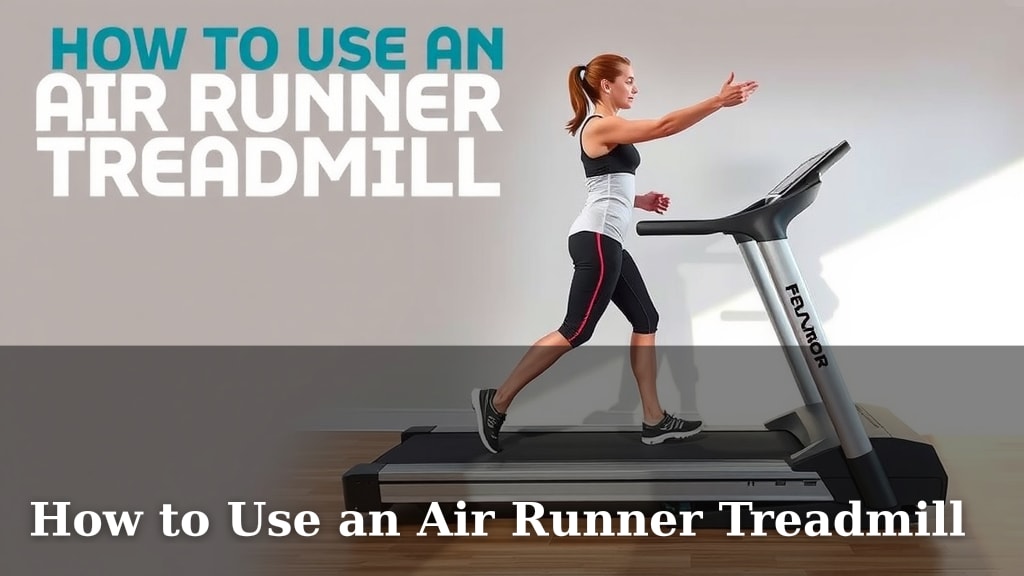
How to Use an Air Runner Treadmill
Using an air runner treadmill, also known as an assault bike treadmill, is pretty straightforward once you know the basics. You control the speed simply by running or walking faster. The belt moves as you move, giving you a unique, self-paced workout. It’s a fantastic way to get your cardio in.
Unlike traditional treadmills with motors, air runners use air resistance. This means the faster you push or pull the belt, the more resistance you’ll feel. This makes them excellent for high-intensity interval training (HIIT) and for users who want a truly challenging workout. Many athletes prefer them for their dynamic nature.
- Air runners use air resistance, not a motor.
- You control speed by how fast you run.
- Great for HIIT and challenging cardio.
- Focus on smooth, controlled movements.
Ready to give it a try? We’ve broken down exactly how to get the most out of your air runner treadmill, step-by-step.
Getting Started on Your Air Runner Treadmill
Jumping onto an air runner treadmill for the first time might feel a little different. You’re probably used to setting a speed on a motor-driven machine. With an air runner, you are the motor. The belt only moves when you do. It sounds simple, and it is, but it requires a slight shift in how you think about running.
Your First Steps and Stride
Before you even start running, take a moment to stand on the belt. Get a feel for the platform beneath your feet. Once you’re ready, gently walk. Notice how the belt moves at your pace. As you pick up your walking speed, you’ll feel a slight pull. This is the air resistance starting to work.
Finding Your Rhythm
To start running, simply run! It sounds obvious, but it’s true. Don’t look for a speed dial. Your legs moving faster is what makes the belt move faster. Aim for a smooth, controlled stride. Think about your posture: chest up, shoulders back, and a slight forward lean. This helps you generate power and efficiency.
Controlling Your Pace
Slowing down is just as intuitive. If you want to slow your pace, simply take shorter steps or run at a lower cadence. The air resistance will naturally decrease. It’s a very natural way to adjust your speed. Many users find this intuitive after just a few minutes of practice. It truly puts you in control of your workout intensity.
Understanding Air Resistance at Play
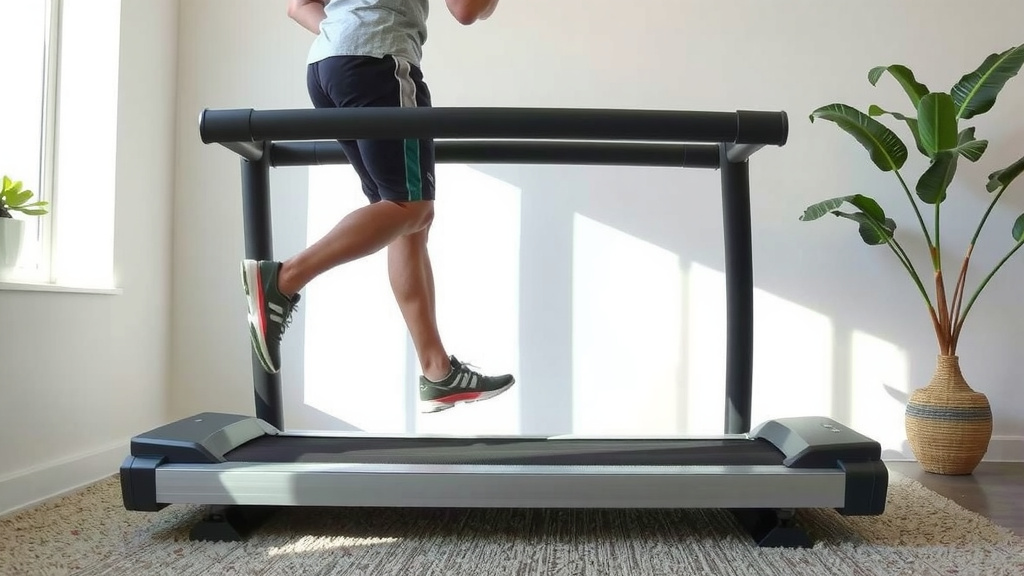
The magic of an air runner treadmill is its air resistance system. Unlike traditional treadmills that use a motor to move the belt, air runners rely on you. The fan at the front creates resistance as you move. The faster you run or pull yourself forward, the more air the fan moves, and the harder the workout becomes. This is why it’s such a great tool for high-intensity training.
How Resistance Works for You
Think of it like riding a bike downhill versus uphill. On a flat surface, it’s easier. When you hit an incline, you have to work harder. An air runner is similar. Your effort directly translates to resistance. This means you can achieve a truly demanding workout without overexerting yourself at lower speeds. It’s a fantastic way to build both cardiovascular fitness and muscular endurance.
The Fan and Your Workout Intensity
The built-in fan doesn’t just create resistance; it also provides a cooling effect. As you increase your speed and effort, the fan spins faster, giving you more resistance and more airflow. This direct relationship between your output and the machine’s response is what makes air runners so effective for variable-intensity training. You can switch from a brisk walk to an all-out sprint in seconds just by changing your stride.
Maximizing Your Air Runner Treadmill Workout
To get the most out of your air runner, consider how you use it. It’s not just about going fast; it’s about smart training. Many athletes use these machines because they mimic natural running mechanics more closely than motorized treadmills. Focusing on proper form and varied intensity will give you the best results.
Incorporating Interval Training
Air runners are practically built for interval training. The ability to quickly change pace makes HIIT sessions highly effective. Research suggests that HIIT can improve aerobic capacity and reduce body fat more efficiently than steady-state cardio (NCBI). You can easily set up work and rest periods. For example, sprint for 30 seconds, then jog or walk for 60 seconds. Repeat this for 15-20 minutes.
Form and Technique Tips
Good form is key to preventing injury and maximizing efficiency. Keep your posture upright and engage your core. Avoid leaning too far forward or backward. Let your arms swing naturally to help with momentum. Focus on a mid-foot strike rather than heel striking, which is generally more efficient and easier on your joints (Cleveland Clinic).
Tips for Different Fitness Levels
Whether you’re a seasoned athlete or just starting, the air runner can adapt to you.
- Beginners: Start with walking and light jogging. Focus on getting comfortable with the feel of the belt and the air resistance.
- Intermediate: Introduce short bursts of faster running or longer intervals. Experiment with different work-to-rest ratios.
- Advanced: Push the pace for longer durations. Incorporate sprints and longer, more challenging intervals. Focus on speed and endurance.
A Quick Air Runner Checklist
Before you hop on for your next session, run through this quick checklist:
- Ensure the treadmill is on a stable, level surface.
- Stand on the belt first to get your balance.
- Start with a brisk walk to feel the resistance.
- Gradually increase your stride to start running.
- Focus on smooth, controlled movements.
- Adjust pace by changing your running cadence.
Conclusion
You’re now ready to conquer your air runner treadmill! Remember, you control the speed by simply adjusting your running pace. This self-powered machine offers a dynamic way to build your cardio and strength. By focusing on smooth form and smart interval training, you can tailor any workout to your fitness level. The air resistance system is your key to a challenging and rewarding fitness experience. So, hop on, find your rhythm, and get moving to unlock your best workout yet!
Frequently Asked Questions
How do I know if I’m running too fast or too slow on an air runner?
You’ll quickly learn to feel the resistance. If the belt feels like it’s pulling you too much, shorten your stride or reduce your cadence. If you want more resistance, simply run faster with longer strides. Your body will naturally tell you when you’ve hit the right pace.
Can I use an air runner if I have knee problems?
Air runners can be a great option because they mimic natural running. The belt moves with you, which can be gentler on your joints than a motorized treadmill. However, always listen to your body and consult with a doctor or physical therapist if you have existing knee issues.
How often should I use an air runner for best results?
Consistency is key for any fitness routine. For general cardiovascular health and calorie burning, aiming for 3-5 sessions per week is a good goal. You can adjust the intensity and duration based on your fitness level and recovery needs.
What’s the main difference between an air runner and a regular treadmill?
The biggest difference is the power source. Regular treadmills use a motor to set belt speed, while air runners use air resistance powered by your own movement. You are the motor on an air runner, making it a more self-directed and often more intense workout.
Do air runners make a lot of noise?
Yes, air runners do make noise due to the fan’s operation. The sound increases with your speed and effort. While not silent, many users find the sound to be a good motivator. It’s usually less about a loud mechanical noise and more about the sound of the fan and your own exertion.