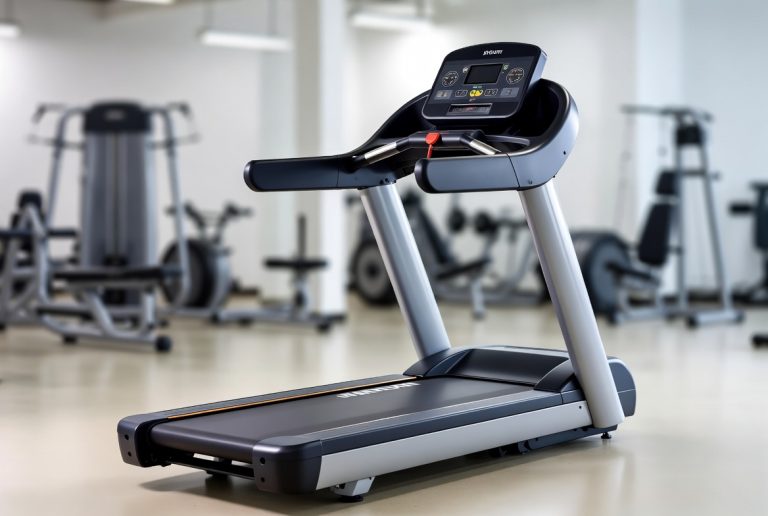

How Fast is a 5 Minute Mile on a Treadmill
Running a 5-minute mile on a treadmill means you’re moving at a pace of 12 miles per hour. This is considered an elite running speed for most recreational runners. It takes consistent training and a high level of fitness to achieve this.
Achieving a 5-minute mile isn’t just about raw speed. It also demands significant cardiovascular endurance and muscular strength. Many runners aim for this goal as a benchmark of peak physical condition. It’s a truly impressive feat of athleticism.
- A 5-minute mile is 12 mph on the treadmill.
- This pace is very fast and requires top fitness.
- It demands both speed and excellent stamina.
- It’s a common goal for serious runners.
Ready to see how this speed translates and what it takes to get there? Let’s break down what a 5-minute mile really looks like on your treadmill.
“`htmlUnderstanding the Speed of a 5-Minute Mile on a Treadmill
So, what does it really mean to run a 5-minute mile on your treadmill? It boils down to maintaining a pace of 12 miles per hour (mph). Think about that for a second. That’s moving pretty fast! Many recreational runners consider this speed to be elite. It’s a benchmark that shows incredible dedication to training and a high level of fitness. You’re not just going through the motions here; you’re pushing your limits.
This isn’t a speed you can just pull out of thin air. It requires serious commitment. We’re talking about a pace that challenges even seasoned athletes. It’s a fantastic goal to strive for, but it’s important to understand the physical demands involved before you jump on the treadmill and crank up the speed. Consistency and smart training are key ingredients for success.
Breaking Down the Treadmill Speed: 12 mph in Perspective
Let’s put that 12 mph speed into real-world terms. On a treadmill, this translates to a sprint that most people can’t maintain for very long. Think about a typical jogging pace – that’s usually around 5-6 mph. A 5-minute mile is literally double that pace!
Comparing Treadmill Speed to Outdoor Running
Running on a treadmill can feel different from running outdoors. The belt moves under your feet, which can make it feel slightly easier. Some research suggests you might need to run about 1% faster on a treadmill to get the same effect as running outdoors. So, while 12 mph is the target speed, you might feel like you’re working even harder. Learn how running on a treadmill differs from outdoor running.
However, treadmills offer a controlled environment. There’s no wind resistance, no hills unless you set them, and the surface is consistent. This can be a benefit for focusing purely on speed and maintaining your pace. You’re able to control every variable, which is great for targeted training. You know exactly how fast you’re going at all times.
What Fitness Level is Required for a 5-Minute Mile?
Achieving a 5-minute mile is far from a casual jog. It requires a highly developed aerobic capacity and muscular power. Your body needs to be incredibly efficient at delivering oxygen to your muscles. This means your heart and lungs are working at peak performance.
Cardiovascular Endurance: The Engine Behind the Speed
Your cardiovascular system is the main player here. You need a strong heart that can pump blood rapidly and efficiently. This delivers the oxygen needed to sustain such a high speed. Regular, intense cardiovascular training is the path to building this capacity. Think of it like training a powerful engine to run at maximum output.
Research consistently shows that elite runners have exceptional VO2 max levels. This is the maximum amount of oxygen your body can utilize during intense exercise (National Institutes of Health). To hit a 5-minute mile, your VO2 max likely needs to be in a very high range, typically above 60 ml/kg/min for men and 50 ml/kg/min for women, though this can vary.
Muscular Strength and Power: The Pushing Force
Beyond your lungs and heart, your leg muscles need to be strong and powerful. You need the ability to generate explosive force with every stride. This means your quadriceps, hamstrings, and calf muscles are doing a lot of work. Stronger muscles can produce more power, allowing you to push off the ground faster and more effectively.
Plyometric exercises, strength training, and, of course, consistent running are vital for building this muscular strength. It’s not just about endurance; it’s about having the raw power to move your legs at that incredible speed. Your core also plays a huge role in stability and efficient power transfer.
Training Strategies to Reach Your 5-Minute Mile Goal
So, you’re inspired and ready to chase this goal? That’s fantastic! It’s achievable, but it demands a structured approach. You can’t just run the same pace every day and expect to see drastic improvements. Variety and intensity are your friends.
The Role of Interval Training
Interval training is perhaps the most effective tool for improving speed. This involves alternating short bursts of very high-intensity running with periods of rest or lower-intensity jogging. For a 5-minute mile goal, you’d be pushing yourself close to your maximum effort during those fast intervals.
For example, you might do intervals like 400-meter sprints at a pace faster than your target mile pace, followed by a minute or two of active recovery. Repeating these sets multiple times helps your body adapt to faster speeds and improves your anaerobic threshold. Many coaches recommend integrating these sessions 1-2 times a week.
Tempo Runs for Sustained Speed
Tempo runs are another essential component. These are runs done at a comfortably hard pace – a pace you could theoretically hold for about an hour. For someone aiming for a 5-minute mile, this might be around a 6:00-6:30 minute per mile pace. These runs build your lactate threshold, helping you sustain faster speeds for longer periods.
A typical tempo run might involve a warm-up, 20-30 minutes at your tempo pace, and then a cool-down. They train your body to clear lactic acid more efficiently, delaying fatigue. This is crucial for holding that 12 mph pace on the treadmill.
Building an Endurance Base
While speed is key, don’t neglect your endurance. You still need to be able to run for longer durations. Long, slow runs (at an easy, conversational pace) help build capillary density and mitochondrial efficiency. This means your muscles become better at using oxygen.
These longer runs, often done once a week, build the foundation upon which speed work can be effectively layered. Without a solid endurance base, your body won’t be able to recover adequately from intense speed sessions, and you risk injury. Think of it as building a strong foundation for a skyscraper.
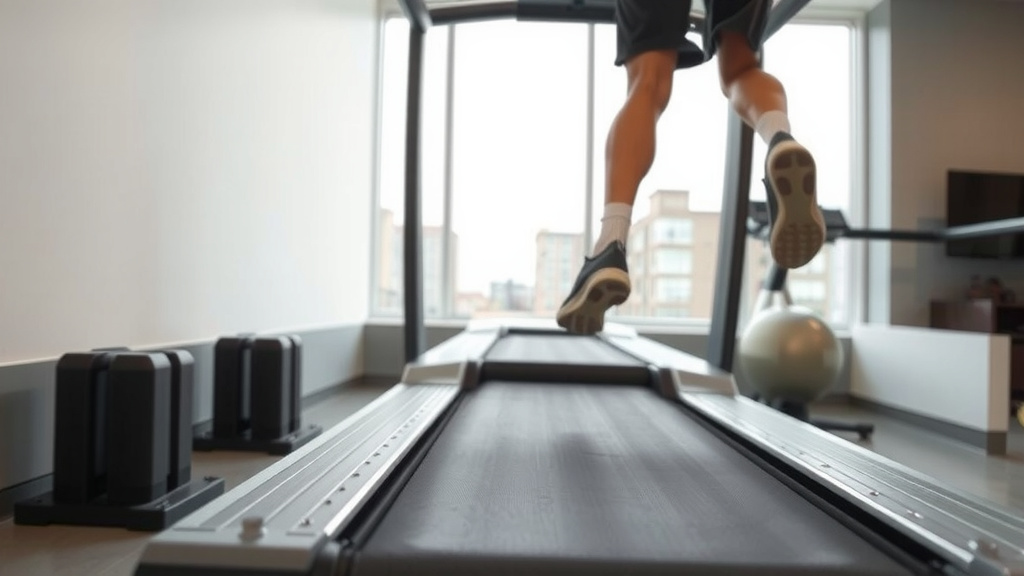
What a 5-Minute Mile Treadmill Workout Might Look Like
Let’s visualize a potential treadmill workout designed to get you closer to that 5-minute mile pace. Remember to always listen to your body and adjust as needed. A warm-up is crucial!
- Warm-up: 10 minutes of easy jogging (6-7 mph), gradually increasing pace.
- Dynamic Stretches: Leg swings, high knees, butt kicks.
- Intervals: 6 x 400 meters at 13-14 mph, with 60-90 seconds of walking or very slow jogging (5 mph) between each interval.
- Tempo Portion: 15 minutes at 10.5-11 mph.
- Cool-down: 5-10 minutes of easy jogging (6-7 mph), then static stretching.
Common Hurdles and How to Overcome Them
Chasing a goal like a 5-minute mile isn’t always a smooth ride. You’ll likely encounter challenges along the way. Recognizing these hurdles can help you stay motivated and find solutions.
Avoiding Overtraining and Injury
Pushing hard is important, but too much intensity without enough rest can lead to burnout and injuries. Symptoms of overtraining include persistent fatigue, decreased performance, and irritability. As the American College of Sports Medicine suggests, proper recovery is as important as the training itself (ACSM).
Ensure you have at least one full rest day per week. Incorporate active recovery like walking or light stretching on other days. Listen to your body – sharp pains are a sign to stop, not push through.
Mental Fortitude: Pushing Through Discomfort
Running at 12 mph is tough, mentally as well as physically. There will be moments when your mind tells you to slow down. Building mental toughness is part of the process. Visualize success, break down the mile into smaller segments (like 200-meter or 400-meter chunks), and focus on your breathing.
Many runners find it helpful to use a mantra or focus on the rhythm of their feet hitting the belt. Positive self-talk can make a significant difference when you’re feeling the burn. Remember why you started this journey.
| Miles Per Hour (MPH) | Minutes Per Mile |
|---|---|
| 6.0 MPH | 10:00 |
| 7.0 MPH | 8:34 |
| 8.0 MPH | 7:30 |
| 9.0 MPH | 6:40 |
| 10.0 MPH | 6:00 |
| 11.0 MPH | 5:27 |
| 12.0 MPH | 5:00 |
| 13.0 MPH | 4:37 |
Your Checklist for Tackling the 5-Minute Mile Goal
- Assess your current fitness level honestly.
- Develop a consistent training plan with varied workouts.
- Prioritize proper nutrition and hydration for recovery.
- Incorporate rest days to prevent overtraining.
- Build mental resilience to push through tough moments.
- Listen to your body and adjust training as needed.
Conclusion
Reaching a 5-minute mile on your treadmill means hitting a speed of 12 mph. This elite pace requires dedicated training, focusing on both cardiovascular endurance and muscular power. You’ve learned that it’s about building a strong aerobic engine and powerful legs, using strategies like interval and tempo runs. Remember, consistency and listening to your body are key. Your next step? Start by assessing your current fitness and build a training plan that gradually introduces speed work. You’ve got this!
Frequently Asked Questions
Is a 5-minute mile treadmill pace achievable for most runners?
A 5-minute mile pace, or 12 mph, is considered elite and is challenging for the average runner. It requires a high level of fitness developed through consistent, structured training. Most recreational runners aim for slower paces, but with dedication, many can improve significantly toward this goal.
How does treadmill speed differ from outdoor running speed?
Treadmill running can feel slightly easier than outdoor running due to the moving belt and lack of wind resistance. Some research suggests you might need to run about 1% faster on a treadmill to match the effort of running outdoors. However, treadmills offer controlled conditions perfect for focused speed training.
What is the typical VO2 max for someone who can run a 5-minute mile?
While it varies, individuals capable of a 5-minute mile typically have very high VO2 max levels. For men, this is often above 60 ml/kg/min, and for women, above 50 ml/kg/min. This indicates a highly efficient cardiovascular system capable of utilizing a large amount of oxygen.
How often should I do speed work for a 5-minute mile goal?
Incorporating speed work like interval training 1-2 times per week is generally recommended. These sessions should be balanced with endurance runs and rest days to allow your body to recover and adapt. Always listen to your body and adjust frequency to avoid overtraining.
Can I improve my mile time without running on a treadmill?
Absolutely. While treadmills offer precise speed control, you can certainly improve your mile time outdoors. Track workouts on a running track or even street running with a GPS watch can help you monitor your pace effectively. The key is consistent, challenging training tailored to your goal.