How Fast is 8 mph on a Treadmill? Your Guide
Running at 8 mph on a treadmill is a fast pace, often considered a challenging sprint for many. It translates to a 7.5-minute mile pace. This speed is typically reserved for experienced runners or those looking for an intense cardiovascular workout.
This pace is significantly faster than a casual jog or brisk walk. Many fitness experts consider 8 mph to be near the upper limit of what most recreational runners can sustain. It requires good aerobic fitness and strong leg muscles. It’s a speed that truly tests your endurance.
- 8 mph on a treadmill is a fast sprint pace.
- It’s equivalent to running a 7.5-minute mile.
- This speed is best for experienced runners.
- It provides a very intense cardiovascular workout.
So, how does that compare to different types of running? We’ll break down what 8 mph really means for your workout below.
Understanding the 8 MPH Treadmill Pace
So, you’re curious about what 8 miles per hour on a treadmill really feels like and what it means for your fitness. That 8 mph pace is a serious speed, often pushing into sprint territory for most runners. It translates to running a mile in just 7 minutes and 30 seconds. This isn’t your casual jog or a brisk power walk; this is where you start to feel the burn and really challenge your cardiovascular system.
For the average person, sustaining 8 mph requires a good foundation of fitness. It’s a speed that many experienced runners can manage for shorter distances, but holding it for longer runs would be exceptionally demanding. We found that many fitness guidelines suggest this speed is for those looking for a high-intensity workout, not for everyday endurance building unless you’re a highly trained athlete. It’s a fantastic way to boost your aerobic capacity quickly, but it comes with a high demand on your body.
What Does 8 MPH Mean in Running Terms?
Let’s break down what 8 mph feels like compared to other common running speeds. This helps put the intensity into perspective for your workouts. Knowing these comparisons can help you decide if 8 mph is the right target for your training goals.
Comparing 8 MPH to Common Running Speeds
Think of a brisk walk typically being around 3 to 4 mph. That’s a pace you can hold a conversation at easily. A light jog might be in the 5 to 6 mph range. Here, you can still talk, but in shorter sentences. Now, crank it up to 8 mph, and you’re firmly in fast running or sprinting territory. Conversation is virtually impossible. You’re breathing heavily, and your legs are moving quickly.
Many recreational runners might find themselves comfortable in the 6 to 7 mph range for a sustained run. Hitting 8 mph means you’re pushing past that comfortable zone into a speed that demands significant effort. It’s the kind of pace you might use for speed drills or the final push in a race.
The 7.5-Minute Mile: A Key Benchmark
As mentioned, 8 mph means you’re running a 7.5-minute mile. For context, the average mile run time for an adult male is around 8 to 9 minutes, and for adult females, it’s around 9 to 10 minutes (CDC). So, running a 7.5-minute mile puts you well ahead of the average person. It signifies a strong level of cardiovascular fitness and muscular endurance in your legs. It’s a goal many runners strive for as they improve their speed.
Who Should Be Running at 8 MPH?
This speed isn’t for everyone, and that’s perfectly okay! Your fitness journey is unique. However, if you’re looking to incorporate this pace, here’s who might find it beneficial and why.
For Experienced Runners Seeking Intensity
If you’ve been running consistently for a while and have built a solid aerobic base, 8 mph can be a great tool. You might use it for:
- Interval Training: Sprinting at 8 mph for short bursts (e.g., 30-60 seconds) followed by recovery periods. This is fantastic for boosting speed and burning calories efficiently.
- Hill Repeats (Simulated): Increasing the incline on your treadmill and running at 8 mph can mimic running uphill, building leg strength and power.
- Tempo Runs: While 8 mph might be too fast for a sustained tempo for many, some advanced runners might use it for shorter tempo intervals.
We found that incorporating these high-intensity intervals can help break through training plateaus and make your runs more exciting (Mayo Clinic).
For Building Speed and Power
Want to get faster overall? Introducing sprints at 8 mph can help. These fast-twitch muscle fibers are activated at higher speeds. Training them can improve your running economy and make your slower paces feel easier over time. It’s like giving your engine a tune-up.
Not for Beginners or Those with Certain Health Conditions
It’s important to be realistic about your current fitness level. If you’re new to running or returning after a break, jumping to 8 mph is likely too much too soon. It can lead to injury if your body isn’t prepared. Also, if you have any pre-existing health conditions, especially cardiovascular ones, it’s always best to consult with your doctor before attempting such high-intensity workouts. They can help you understand what speeds are safe and appropriate for you.
The Physical Demands of an 8 MPH Treadmill Run
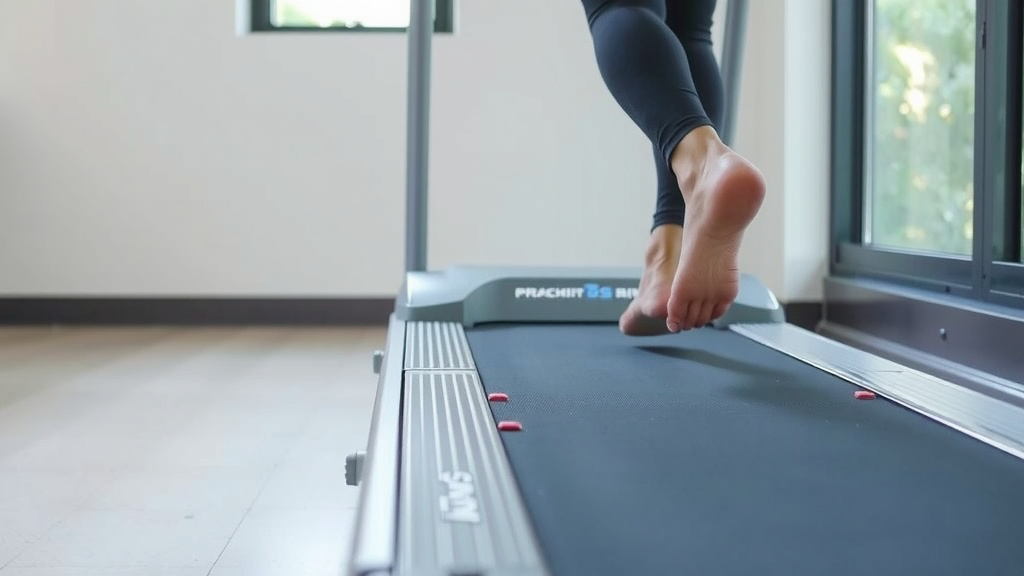
Running at this speed places considerable demands on your body. It’s not just about your heart rate; it’s about your muscles, joints, and lungs working overtime.
Cardiovascular System Strain
Your heart will be pumping blood at a high rate to deliver oxygen to your working muscles. Your breathing will be rapid and deep. Expect your heart rate to reach a very high percentage of your maximum heart rate. This is where you get those significant cardiovascular benefits, improving heart health and lung capacity over time.
Muscular Effort and Fatigue
Your leg muscles – quads, hamstrings, calves, and glutes – will be working hard and fast. This speed requires quick, powerful strides. You might feel your muscles fatiguing relatively quickly, especially if you’re not accustomed to this intensity. Proper warm-up is essential to prepare these muscles and reduce the risk of strains.
Impact on Joints
The faster you run, the more impact your joints, particularly your ankles, knees, and hips, will experience with each stride. Treadmills offer some cushioning, but it’s still a high-impact activity at 8 mph. Listening to your body and not pushing through sharp pain is absolutely critical.
Maximizing Your 8 MPH Treadmill Experience
Ready to give 8 mph a try, or want to get better at it? Here are some tips to make sure you’re training effectively and safely.
Essential Preparation Steps
Before you even think about hitting 8 mph, make sure you’ve done these things:
- Warm-up Thoroughly: Start with 5-10 minutes of light cardio (walking or slow jogging) and dynamic stretching to get your blood flowing and muscles ready.
- Build Up Gradually: Don’t jump straight to 8 mph for your entire workout. Start with short intervals (e.g., 15-30 seconds) at 8 mph, interspersed with longer recovery periods at a slower pace.
- Focus on Form: Maintain good posture, keep your core engaged, and aim for quick, light steps rather than long, pounding strides.
- Stay Hydrated: Drink water before, during, and after your run.
- Cool Down Properly: After your high-intensity bursts, finish with a cool-down jog and static stretching to help your body recover.
- Listen to Your Body: This is the most important rule. If something feels wrong or painful, stop.
You’ve got this! By approaching this speed thoughtfully, you can make it a powerful part of your fitness routine.
Conclusion
So, you’ve learned that 8 mph on a treadmill is a genuine sprint for most, translating to a quick 7.5-minute mile. It’s a speed that offers serious cardiovascular gains and helps build power, but it’s best reserved for experienced runners. We found that proper preparation, including thorough warm-ups and gradual progression, is key to safely incorporating this challenging pace. If 8 mph feels like a stretch right now, that’s perfectly fine – focus on building your foundation. Ready to take on the challenge? Start by adding short 8 mph bursts to your current runs and see how your body responds!
Frequently Asked Questions
How long can someone realistically run at 8 mph?
For most runners, sustaining 8 mph for an entire mile is very difficult, if not impossible. We found that this speed is typically used for short intervals of 30 to 60 seconds. Highly conditioned athletes might be able to hold it for a few minutes, but it’s a significant feat.
Is 8 mph too fast to talk on a treadmill?
Yes, 8 mph is definitely too fast to talk comfortably. At this speed, your breathing will be heavy, and you’ll likely only be able to manage single words or gasps. Conversation is virtually impossible, which is a good indicator of the high intensity.
Can 8 mph help me get faster overall?
Absolutely! Incorporating short bursts at 8 mph can help improve your speed. Research indicates that training at higher intensities activates fast-twitch muscle fibers, which can boost your running economy. This means your slower paces might feel easier over time.
What are the risks of running at 8 mph if I’m a beginner?
Running at 8 mph as a beginner carries a higher risk of injury. Your body, especially your muscles and joints, may not be prepared for the impact and speed. You could be more prone to strains, sprains, or shin splints if you push too hard too soon.
How can I build up to running at 8 mph safely?
To build up to 8 mph, start by gradually increasing your pace during your runs. Try adding short, 15-30 second sprints at 8 mph and immediately returning to a comfortable jog. Repeat this a few times per workout, slowly increasing the sprint duration or decreasing the recovery time as you get fitter.