What 7 mph on a Treadmill Feels Like
Seven miles per hour on a treadmill is a brisk jogging pace for most people. It feels like a fast run, but it’s still manageable for many fitness levels. You’ll be breathing harder and your heart rate will be up significantly. It’s a solid speed for a good cardiovascular workout.
Think of it this way: 7 mph is faster than a casual jog but slower than a full sprint. It’s a pace that requires focus and effort. Many runners find this speed is a sweet spot for improving endurance and burning calories effectively. It’s a common pace for people training for races like a 5K.
- 7 mph on a treadmill is a fast jog or slow run.
- It’s a good speed for cardiovascular health.
- It requires noticeable effort and breath control.
- This pace is often used for 5K training.
Let’s break down exactly what 7 mph feels like and how it compares to other activities.
Understanding the 7 MPH Treadmill Pace
So, what does 7 miles per hour (MPH) on a treadmill really mean for you? It’s a speed that many runners and walkers aim for. It falls squarely into the category of a brisk jog or a slow run. You’ll definitely feel your heart rate rising and your breathing becoming more intense. It’s faster than a leisurely stroll but not quite a full-out sprint. This pace is excellent for improving your cardiovascular fitness.
Think of it as a solid workout pace. If you’re training for a 5K race, 7 MPH is often a goal speed for many. It requires a good level of fitness and sustained effort. You’ll need to engage your muscles and maintain a steady rhythm. It’s a speed where you’re working hard, but can still manage to hold a short conversation if you really push yourself.
What 7 MPH Feels Like: A Runner’s Perspective
When you set your treadmill to 7 MPH, you’ll notice an immediate change. Your legs will start moving at a quicker cadence. It feels like you’re covering ground with purpose. You’ll likely be breathing through your mouth at this point, rather than your nose.
For a beginner, 7 MPH might feel quite challenging at first. You might only be able to sustain it for a minute or two. With consistent training, you can build up your endurance. You’ll find yourself able to maintain this speed for longer periods. This gradual improvement is key to building a solid fitness base.
Comparing 7 MPH to Everyday Speeds
Let’s put 7 MPH into perspective with speeds you encounter daily. A typical walking pace for most adults is around 3 MPH. A fast walk or a very light jog might be around 4-5 MPH. So, 7 MPH is definitely a significant step up.
Think about the speed of a brisk walk in a shopping mall or a leisurely stroll through a park. That’s usually much slower. A 7 MPH pace is closer to what you might do if you were late for an appointment and had to move quickly, but not quite running for your life.
Your Body’s Response at 7 MPH
At 7 MPH, your body is working hard. Your heart rate will increase substantially, typically reaching into your target heart rate zone for moderate to vigorous exercise (Centers for Disease Control and Prevention). This is where you get the most benefits for your cardiovascular system. Your lungs will be working overtime to get enough oxygen.
Your muscles, especially in your legs, will be engaged. You’ll feel them working to propel you forward. You might notice increased sweat production. This is your body’s way of cooling itself down. It’s a clear sign you’re getting a good workout.
7 MPH: A Sweet Spot for Fitness Goals
Many fitness enthusiasts find 7 MPH to be a fantastic speed. It’s often referred to as a “tempo run” pace. This is a pace you can maintain for a decent duration. It challenges your body without pushing it to exhaustion. This makes it ideal for improving both speed and endurance.
Training for a 5K and Beyond
If you’re aiming to run a 5K (3.1 miles), hitting 7 MPH regularly is a great target. It means you could complete a 5K in about 26-27 minutes. This is a very respectable time for many recreational runners. Consistent training at this speed will help you build the stamina needed for race day.
But it’s not just for 5K runners. Longer distances like a 10K or even a half marathon can benefit from tempo runs at this pace. It helps your body become more efficient at using oxygen. You’ll also improve your lactate threshold. This means you can run faster for longer before fatigue sets in (National Institutes of Health).
Calorie Burn at 7 MPH
Want to know if 7 MPH is good for burning calories? Absolutely! A faster pace means you’re expending more energy. The exact number of calories burned depends on your weight, height, and duration. However, running at 7 MPH will burn significantly more calories than walking or jogging at a slower speed.
For example, a person weighing around 150 pounds could burn approximately 500-600 calories per hour at 7 MPH. This makes it an effective speed for weight management goals. It combines cardiovascular benefits with a substantial calorie expenditure.
Incorporating 7 MPH into Your Workout Routine
So, how do you add 7 MPH into your gym sessions? It’s all about smart training. You don’t have to run at this speed the entire time. You can use it for specific intervals.
Interval Training Example
Here’s a simple way to try it:
- Warm-up: 5 minutes at 4 MPH (walking)
- Interval 1: 2 minutes at 7 MPH (jogging/running)
- Recovery: 2 minutes at 4.5 MPH (brisk walk)
- Repeat this interval cycle 3-5 times.
- Cool-down: 5 minutes at 3 MPH (walking)
This approach allows you to push your limits for short bursts. You also give your body time to recover. This makes the workout challenging but manageable.
Factors Affecting Your 7 MPH Experience
The treadmill belt incline plays a role. A flat surface at 7 MPH is different from running on an incline. Even a 1% incline can mimic outdoor running conditions more closely. It also increases the intensity and calorie burn.
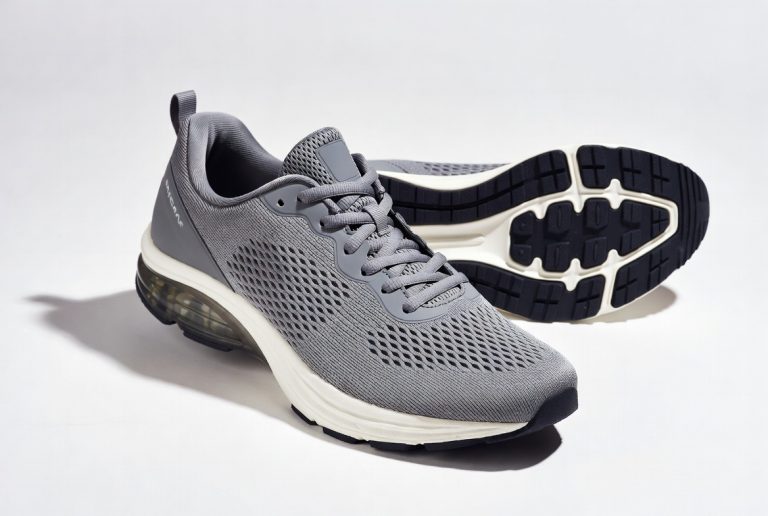
Your shoes and clothing matter too. Proper running shoes provide cushioning and support. They can make a big difference in comfort. Comfortable workout clothes help you stay cool and focused. Don’t underestimate the power of good gear!
Is 7 MPH Right for You?
Assessing your current fitness level is key. If you’re new to running, 7 MPH might be too fast to start. You could try building up to it gradually. Start with 5 MPH and slowly increase the speed week by week.
Listen to your body. If you feel pain, especially in your joints, slow down or stop. Pushing too hard too soon can lead to injuries. It’s always better to be consistent with a moderate pace than to push too hard and be sidelined.
| Speed (MPH) | Pace Description | Effort Level |
|---|---|---|
| 2.5 – 3.0 | Slow Walk | Very Easy |
| 3.0 – 3.5 | Average Walk | Easy |
| 4.0 – 4.5 | Brisk Walk / Light Jog | Moderate |
| 5.0 – 5.5 | Jog | Moderately Hard |
| 6.0 – 6.5 | Fast Jog / Slow Run | Hard |
| 7.0 | Fast Run | Very Hard |
When to Consider Slowing Down
If you’re just starting out, aim for a speed where you can talk in short sentences. At 7 MPH, you’ll likely only manage a word or two. That’s a sign it’s a vigorous intensity workout. Many fitness experts recommend a mix of moderate and vigorous activity throughout the week (CDC).
If your goal is simply to get moving and improve general health, a 4-5 MPH pace might be more sustainable for longer durations. You’ll still get great benefits. It’s about finding the pace that works for your body and your fitness journey.
Quick Checklist for Your 7 MPH Workout
- Check your treadmill’s calibration.
- Wear comfortable, supportive running shoes.
- Warm up properly before increasing speed.
- Listen to your body – don’t push through pain.
- Stay hydrated – drink water before and after.
- Cool down with a slow walk to recover.
Conclusion
You’ve learned that 7 MPH on a treadmill is a challenging but rewarding pace, landing firmly in the fast jog or slow run category. It’s a fantastic speed for boosting your cardiovascular health, burning calories, and training for events like a 5K. Remember, your body’s response is a great indicator of effort, and incorporating this speed through interval training can make your workouts more dynamic. Always listen to your body, prioritize proper gear, and gradually build up your stamina to make 7 MPH a sustainable part of your fitness journey. Ready to give it a try on your next workout?
Frequently Asked Questions
Is 7 MPH considered a fast pace for a treadmill?
Yes, 7 MPH is generally considered a fast pace on a treadmill for most individuals. It translates to a pace of about 8 minutes and 34 seconds per mile, which is a brisk running speed for many people.
Can a beginner runner sustain 7 MPH on a treadmill?
For most beginners, sustaining 7 MPH for an entire workout would be very challenging. It’s more realistic to build up to it gradually, perhaps using it for short intervals within a longer, slower run.
How many calories can you burn running at 7 MPH?
Running at 7 MPH can burn a considerable number of calories, often in the range of 500-600 calories per hour for a 150-pound person. The exact amount will vary based on your body weight and workout duration.
What does it feel like to run at 7 MPH on a treadmill?
At 7 MPH, you’ll experience a vigorous workout where your heart rate is significantly elevated and your breathing is deep and rapid. You’ll likely be breathing through your mouth and find it difficult to hold a conversation.
How can I safely incorporate 7 MPH into my treadmill routine?
To safely incorporate 7 MPH, start with short intervals, like 1-2 minutes, followed by recovery periods of walking or slower jogging. Always warm up before and cool down after your run, and listen to your body to avoid injury.