
How Does an Omnidirectional Treadmill Work?
An omnidirectional treadmill works by using a moving belt system with sensors to detect your movement. This allows you to walk or run in any direction while staying in place. It’s like a treadmill that finally understands your need to turn around! This technology is designed to simulate real-world movement for VR and fitness.
You might be wondering how it feels. The belt moves beneath you, and sensors track your position. This information is then sent to your connected device, like a VR headset. It’s a pretty clever way to make virtual worlds feel more real and immersive. Many users find it surprisingly natural once they get used to it.
- Omnidirectional treadmills let you move in any direction.
- They use a moving belt and sensors to track your steps.
- This system translates your physical movement into digital action.
- It’s great for virtual reality and fitness training.
- The goal is to make virtual movement feel more natural.
Ready to understand the magic behind this cool tech? Let’s walk through exactly how an omnidirectional treadmill works, step by step.
Understanding How Omnidirectional Treadmills Function
So, you’re curious about the inner workings of these amazing machines that let you move freely in virtual space? It’s less magic and more clever engineering. An omnidirectional treadmill is designed to mimic walking, running, and even turning in place. This allows for a much more immersive experience in virtual reality or a more versatile workout in fitness settings. Let’s break down how they achieve this freedom of movement.
The Core Mechanism: A Moving Belt System
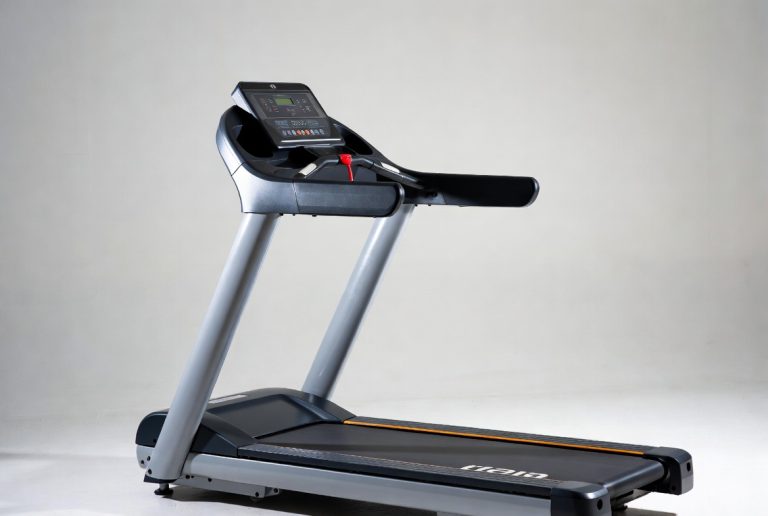
At its heart, an omnidirectional treadmill uses a system of belts. Unlike traditional treadmills that have a single belt moving in one direction, these machines have a more complex setup. This allows the surface you stand on to move in multiple directions. Think of it like a sophisticated conveyor belt system beneath your feet. This is the primary component that makes omnidirectional movement possible.
How the Belts Work Together
The magic happens with how these belts are arranged. Many omnidirectional treadmills utilize a series of independent belts. These belts are often arranged in a circular or grid-like pattern. Each belt can move independently or in coordination with others. This coordinated movement is key to replicating the feeling of walking forward, backward, or sideways.
Forward and Backward Motion
When you walk forward, the belts beneath you move backward. It’s similar to a standard treadmill. However, the omnidirectional system is designed to provide a smoother transition. If you decide to walk backward, the belts will then move forward under your feet. This dual capability is foundational to the technology.
Sideways and Turning Movements
This is where omnidirectional treadmills really shine. When you want to move left or right, specific belts engage. They move in the direction opposite to your desired movement. If you want to turn, a combination of belts will subtly shift. This helps the system sense and respond to your turning actions smoothly. It’s designed to feel as natural as possible, guiding you to stay centered on the platform.
The Role of Sensors and Tracking
Beyond the mechanical belts, sophisticated sensors play a vital role. These sensors are constantly monitoring your position and movement on the treadmill’s surface. They are the “eyes” of the system, gathering crucial data about your actions. This data is then processed to ensure the belts respond correctly and instantly.
Types of Sensors Used
Various types of sensors can be employed in these treadmills. Some might use optical sensors to track light patterns reflected off your shoes or feet. Others might use pressure sensors embedded in the belt to detect weight distribution. We found that magnetic or inertial sensors can also be used. These track changes in motion and orientation. The specific combination helps create a responsive and accurate system.
Translating Physical Movement to Digital Action
Once the sensors detect your movement, that information is sent to the connected device. This is typically a computer or a gaming console running VR software. The system uses algorithms to translate your physical steps and turns into digital actions within a game or virtual environment. If you take two steps forward in real life, your avatar in VR will also move two steps forward. It’s a direct connection between your body and the digital world.
Powering the Movement: Motors and Control Systems
To make all this happen, the treadmill needs a robust power and control system. Electric motors drive the movement of the individual belts. These motors need to be powerful enough to support your weight and movement. They also need to be precise to allow for quick changes in direction and speed.
The Importance of Responsive Motors
The responsiveness of these motors is critical. Delays in belt movement can break immersion or even cause accidents. Manufacturers focus on using high-performance motors. These motors are controlled by sophisticated electronics. This ensures that your physical actions are reflected almost instantaneously in the virtual space. Many experts say that the speed of this translation is key to the perceived realism (NCBI).
How the Control System Manages Movement
The control system acts like the brain of the treadmill. It takes input from the sensors and directs the motors accordingly. When you shift your weight or initiate a turn, the control system interprets this. It then signals the appropriate belts to move. It’s a constant feedback loop, ensuring you stay balanced and oriented correctly on the platform. This continuous adjustment helps maintain a stable and predictable user experience.
User Experience and Calibration
Getting started with an omnidirectional treadmill often involves a calibration process. This helps the machine learn your unique stride and movement patterns. Different users have different ways of walking or running. Calibration ensures the treadmill is finely tuned to you. This personal adjustment enhances accuracy and comfort.
Adjusting for Different Users
Many of these treadmills have settings that allow for adjustments. You can often set the maximum speed, sensitivity, and even the resistance. Some systems allow for multiple user profiles. This means your family can use the same treadmill. Each person’s settings can be saved. This makes it easy to switch between users without re-calibrating every time.
What to Expect When You First Try It
Your first few steps might feel a bit unusual. It’s a new sensation, and your brain needs a moment to adjust. Most users find that it becomes intuitive fairly quickly. The key is to move naturally and let the treadmill do its work. Many users report that after a short period, they forget they are even on a treadmill. They are too immersed in their virtual experience or workout. It’s a testament to how well the technology can mimic real-world movement.
Common Types of Omnidirectional Treadmills
The technology is still evolving, but a few main designs have emerged. Some are designed for home use, while others are more specialized for commercial VR arcades or research facilities. The underlying principles remain the same, but the scale and features can vary greatly.
Home-Use Models
These are typically more compact and designed for personal use. They focus on providing a good balance of performance and affordability. While they might not have every high-end feature, they offer a solid omnidirectional experience for VR gaming and fitness. Many are designed to be relatively easy to set up and use in a home environment.
Commercial and Research Models
These treadmills are often larger, more robust, and packed with advanced features. They might offer higher speed capabilities, more precise tracking, and greater durability for heavy use. They are often found in dedicated VR centers or used in scientific studies to research human movement and virtual interaction. Some research models are highly customizable for specific experiments.
Putting It All Together: A Simulated Walk
Imagine you’re stepping onto an omnidirectional treadmill, ready to explore a virtual forest. As you take your first step forward, sensors detect the shift in your weight and the direction of your footfall. The control system instantly commands the belts beneath you to move backward. Simultaneously, your VR headset shows your virtual legs moving forward. When you decide to sidestep to admire a virtual tree, the system detects this lateral movement. It adjusts the belts to move slightly sideways, guiding you while keeping your avatar moving in the intended direction. Turning is a fluid combination of these belt movements and sensor inputs. It all happens in milliseconds, creating the illusion of free movement. It’s a complex dance of mechanics, electronics, and software working in harmony.
Key Takeaways for Understanding the Technology
- The core is a smart system of multiple, independently moving belts.
- Sensors track your exact position and movement on the surface.
- This data is translated into actions within virtual or digital environments.
- Responsive motors and precise control systems are essential for smooth operation.
- Calibration helps the treadmill adapt to your individual movement style.
- The goal is to create a natural feeling of free locomotion.
Conclusion
You’ve now seen how omnidirectional treadmills blend moving belts, smart sensors, and responsive motors. They work together to let you move freely in virtual worlds or during workouts. This technology aims to make digital movement feel as natural as possible. It’s a fascinating fusion of mechanics and electronics. Ready to experience it for yourself? Consider researching home-use models or visiting a VR arcade to try one out. You might be surprised at how intuitive it feels!
Frequently Asked Questions
How realistic is the feeling of movement on an omnidirectional treadmill?
Many users find the sensation surprisingly realistic, especially after a short adjustment period. The system is designed to translate your physical steps and turns directly into virtual actions. This makes the experience feel quite natural, almost like walking in the real world.
Can I really walk or run in any direction on these treadmills?
Yes, that’s the main idea! Unlike traditional treadmills, omnidirectional ones use multiple belts and sensors. This allows you to move forward, backward, and sideways. You can even turn smoothly in place while staying centered on the platform.
Do I need special shoes or equipment to use one?
Generally, no special shoes are required. Most treadmills work with standard athletic footwear. Some systems might recommend specific types of shoes for optimal sensor tracking. Always check the manufacturer’s guidelines for your specific model.
Is it difficult to learn how to use an omnidirectional treadmill?
Most people adapt quickly. Your brain might need a moment to get used to the sensation. Following the initial calibration process helps. Moving naturally is key. Many users report that it becomes intuitive within minutes.
How fast do these treadmills respond to my movements?
The responsiveness is very high, which is essential for immersion. Advanced control systems and precise motors work together. They ensure that your physical actions are translated into virtual movement almost instantly. This quick feedback loop is vital for a realistic experience.