Walking Treadmill Speed Explained: How Fast Do They Go
Walking treadmills typically go between 1 mph and 4 mph. While most don’t go much faster, some high-end models can reach up to 5 mph. This speed range is perfect for a brisk walk or a light jog, focusing on steady movement rather than intense cardio.
The primary goal of a walking treadmill is to offer a low-impact workout you can do at home. They are designed for comfortable, consistent walking speeds. Think of it as a way to boost your daily steps without leaving your house, even during bad weather. Many users find speeds between 2 and 3 mph the most comfortable for extended periods.
- Walking treadmills usually top out at 4 mph.
- Some specialized models can reach 5 mph.
- They focus on steady, low-impact movement.
- Speeds of 2-3 mph are often ideal for comfortable use.
Below, we’ll break down what you can expect from walking treadmill speeds and how to find the right pace for you.
You’ve got your walking treadmill, and you’re ready to get moving. But how fast can you actually go on one of these machines? Understanding the speed capabilities helps you set realistic goals and make the most of your home workouts.
Understanding Walking Treadmill Speed Ranges
Most walking treadmills are designed with a specific purpose in mind: to provide a comfortable and effective walking experience. This means their top speeds are generally much lower than traditional running treadmills. We found that the typical speed range hovers between 1 and 4 miles per hour (mph). This allows for a leisurely stroll, a brisk walk, or even a light jog for some.
It’s not about breaking speed records here. It’s about consistency and getting those steps in. Think of it as replicating your favorite neighborhood walk, but without the unpredictable weather or distractions.
The Standard Speed Dial
When you look at most walking treadmills, you’ll notice the speed controls are pretty straightforward. They usually start at a slow crawl, often around 0.5 mph, which is slower than a typical shuffle. From there, they gradually increase.
The sweet spot for many users falls between 2 mph and 3 mph. This pace feels like a good, steady walk. It’s enough to get your heart rate up a bit without feeling like you’re exerting yourself too much. Many people find this speed perfect for getting work done or watching TV while they exercise.
What about going faster?
While the standard walking speed is comfortable for many, you might wonder about pushing it a bit. Some walking treadmills offer speeds up to 4 mph. This is a pretty brisk walk, bordering on a light jog. It’s a great way to increase your calorie burn without needing a full-on running workout.
Are there any exceptions?
Yes, there are! You might find some specialized or high-end walking treadmills that can go a bit faster, sometimes reaching up to 5 mph. These models often bridge the gap between walking and light running. If you’re looking for a machine that can handle both brisk walking and very light jogging, you might need to look at these slightly more advanced options.
Factors Influencing Treadmill Speed
So, what actually determines how fast a walking treadmill can go? It’s a combination of the motor, the design, and what the manufacturer intends for the machine.
Motor Power and Design
The motor is the engine of your treadmill. For walking treadmills, which are built for sustained, lower speeds, the motors don’t need to be as powerful as those designed for high-speed running. They are optimized for efficiency at these walking paces.
The deck size and belt also play a role. Walking treadmills often have shorter decks because you aren’t taking long, bounding strides. This design is more compact and fits well under standing desks. The belt is designed for smooth, continuous motion at lower speeds.
Intended Use and User Goals
Manufacturers design walking treadmills with specific users in mind. These are typically people who want to increase their daily activity, get in steps while working from home, or enjoy a low-impact cardio session. The speeds are calibrated to meet these needs effectively.
If your primary goal is marathon training, a walking treadmill might not be your best bet. But if you want to stay active throughout the day, these machines are perfect. They encourage movement without requiring intense exertion, which aligns with health guidelines for daily activity (CDC).
Finding Your Perfect Walking Pace
Now that you know the typical speed ranges, how do you find the speed that’s right for *you*? It’s a personal journey, and what works for one person might not work for another.
Start Slow and Steady
The best approach is to start at the lowest setting, usually around 0.5 mph. Get a feel for how the belt moves and how your body adjusts. Then, gradually increase the speed by 0.5 mph at a time.
Pay attention to how you feel. Are you able to maintain good posture? Can you hold a conversation comfortably? These are good indicators that you’re at a sustainable pace. Many people find 1.5 mph to 2.5 mph to be a great starting point for a comfortable walk.
Consider Your Goals
Are you trying to hit a certain step count by the end of the day? Or perhaps you’re looking to get your heart rate into a moderate zone for a set period? Your goals will dictate the speed you should aim for.
For example, if you’re simply aiming to reduce sedentary time while working, a slower pace (1-2 mph) might be all you need. If you want a more structured cardio workout, you might aim for a brisk pace (3-4 mph) for 20-30 minutes.
Listen to Your Body
This is perhaps the most important piece of advice. Your body will tell you what feels right. If you experience any discomfort, strain, or shortness of breath, it’s time to slow down or take a break. Remember, the goal is to be consistent and safe.
Over time, you’ll find that your stamina improves. What feels like a brisk walk today might feel like a leisurely stroll tomorrow. You can then gradually increase the speed to continue challenging yourself.
Walking Treadmills vs. Running Treadmills: A Speed Comparison
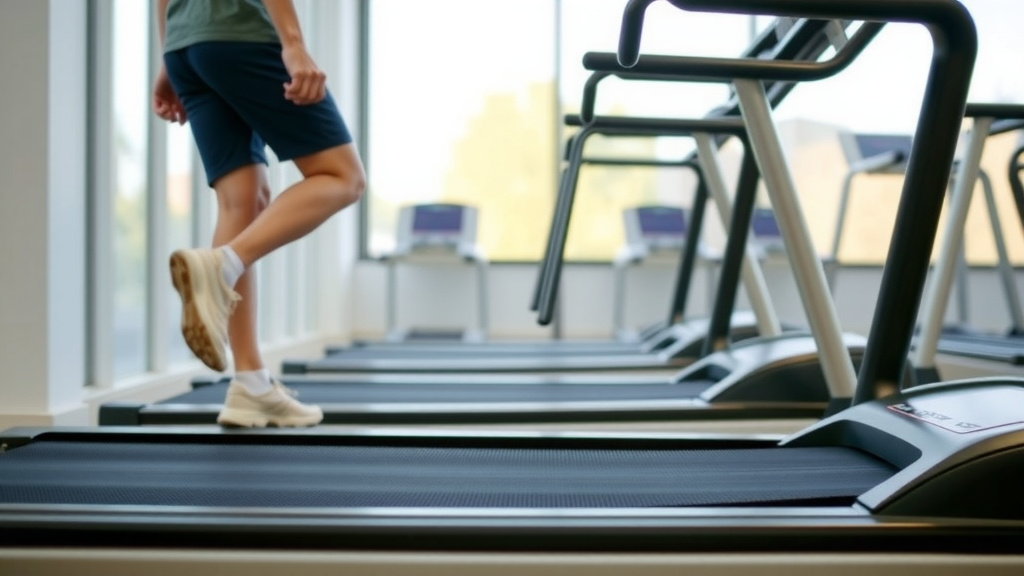
It’s helpful to see how walking treadmills stack up against their running counterparts when it comes to speed. This helps clarify their purpose and capabilities.
| Treadmill Type | Typical Speed Range (mph) | Primary Use |
|---|---|---|
| Walking Treadmill | 1 – 4 (some up to 5) | Walking, light jogging, increasing daily steps, under-desk use |
| Running Treadmill | 0.5 – 12+ | Running, jogging, high-intensity interval training (HIIT) |
As you can see, the difference in top speed is quite significant. Running treadmills are built to handle much higher velocities and often have more powerful motors and larger, more cushioned decks to absorb the impact of running.
Quick Checklist for Finding Your Treadmill Speed:
- Start at the slowest speed (around 0.5 mph).
- Gradually increase by 0.5 mph increments.
- Aim for a pace where you can talk comfortably.
- Consider your fitness goals (steps vs. cardio).
- Listen to your body for any signs of strain.
- Adjust speed throughout your session as needed.
Conclusion
You now have a clear picture of walking treadmill speeds. Most machines range from 1 mph to 4 mph, with some high-end models reaching 5 mph. This range is perfect for your daily steps and low-impact workouts. Remember, finding your ideal pace is a personal journey. It’s about listening to your body and aligning the speed with your fitness goals.
So, take that first step! Start slow, increase gradually, and enjoy the benefits of consistent movement. Your walking treadmill is ready when you are.
Frequently Asked Questions
What is the slowest speed a walking treadmill typically goes?
Most walking treadmills start around 0.5 mph. This slow pace is great for getting accustomed to the machine or for very gentle movement. It’s much slower than a casual stroll, allowing for controlled, gradual progression.
Can I jog on a walking treadmill?
While primarily designed for walking, some walking treadmills can reach speeds up to 4 mph or even 5 mph. This allows for a brisk walk or a light jog for many users. If jogging is a key part of your routine, check the top speed of specific models before purchasing.
How do I know if a walking treadmill speed is too fast for me?
You’ll usually feel it if the speed is too fast. Signs include shortness of breath, feeling unsteady, or struggling to maintain good posture. You should also be able to hold a comfortable conversation at your walking pace. If not, it’s time to slow down.
Do higher speeds burn more calories on a walking treadmill?
Yes, generally, moving at a faster pace on your walking treadmill will increase your calorie burn. However, the goal of a walking treadmill is often consistency and increased daily activity rather than intense calorie burning. Finding a sustainable brisk pace is key.
Are walking treadmills less powerful than running treadmills because of their speed limits?
Yes, the motors in walking treadmills are typically less powerful than those in running treadmills. They are optimized for sustained, lower speeds, making them more energy-efficient for their intended use. Running treadmills require more power to handle higher speeds and the impact of running.