How Accurate Is Treadmill Pace?
Treadmill pace is generally accurate, but not always perfect. You might find small differences between your treadmill’s display and your GPS watch. This is because treadmills use roller speed, while GPS uses satellite signals. For most runners, the treadmill pace is close enough for training.
Understanding this small discrepancy helps you manage your expectations. You’ll want to know how much variation to expect, especially if you’re training for a race. Many treadmills have built-in calibration options. We found that this can help improve your treadmill’s pace accuracy. Some older models may be less precise than newer ones.
- Treadmill pace is usually quite accurate.
- GPS watches can sometimes differ from treadmill readings.
- This difference is due to how each tracks your speed.
- Calibration can improve treadmill accuracy.
- Know your machine for best results.
Below, we’ll look at why treadmill pace might differ and how you can get the most reliable numbers for your workouts.
“`htmlHow Trustworthy Is Your Treadmill Pace?
Treadmill pace is generally quite reliable for most runners. You can use it for your daily jogs and interval training. Think of it like your car’s speedometer. It’s designed to give you a good idea of your speed. However, just like a car’s speedometer, it might not be perfectly exact every single time. We found that most modern treadmills are fairly accurate. Newer machines often have better sensors.
Why Treadmill Pace Isn’t Always 100% Spot-On
So, why the slight difference? It comes down to how each device measures your speed. Your treadmill is watching the belt move. It calculates your pace based on how fast that belt is spinning. Your GPS watch, on the other hand, relies on satellite signals. These signals come from space. They track your movement over the ground.
Treadmill Mechanics: The Roller’s Role
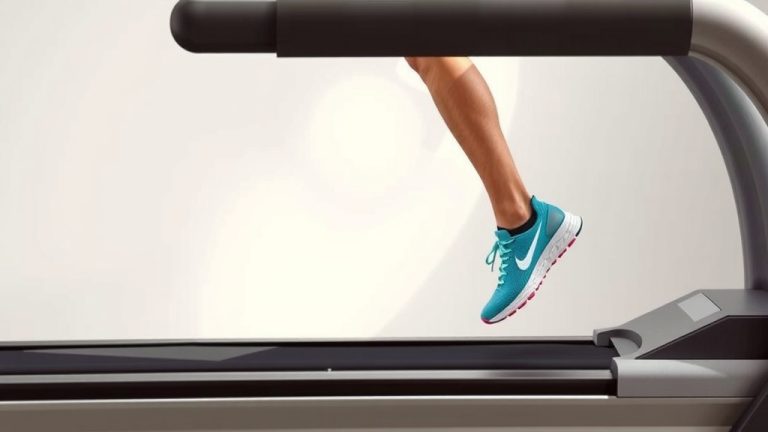
A treadmill works by using a motor to turn a large roller. This roller moves the belt beneath your feet. The machine’s computer measures the speed of this roller. It then translates that into the pace you see on the display. This is a direct measure of belt speed. It doesn’t account for your actual stride length or how much your feet might be slipping slightly on the belt.
GPS Technology: Satellites in the Sky
Your GPS watch or phone uses a network of satellites. These satellites orbit the Earth. Your device picks up signals from them. By analyzing these signals, it determines your position. It then calculates your speed and distance based on how your position changes over time. This is great for outdoor running. It directly measures your movement across the ground.
The Outdoor vs. Indoor Debate
When you’re running outside, GPS is usually the gold standard. It measures your true outdoor speed. But indoors, GPS signals can be blocked. That’s where the treadmill takes over. The difference is in the measurement method. One measures belt speed, the other measures your movement through space.
Factors Affecting Treadmill Accuracy
Several things can influence how accurate your treadmill’s pace reading is. These aren’t usually huge differences. But they can add up, especially on longer runs. It’s good to be aware of them.
Calibration Matters
Many treadmills have a calibration feature. This is a process to fine-tune the machine’s speed sensor. You might find this option in the settings menu. Some machines prompt you to calibrate after a certain number of miles. Others require a manual setting. We found that a properly calibrated treadmill is much more reliable. It’s like tuning up your bike for a smoother ride.
Wear and Tear
Over time, the components of a treadmill can wear out. The belt might loosen. The rollers might not spin as smoothly. This can lead to slight inaccuracies in speed readings. Older treadmills, especially those that have seen a lot of use, might be less precise than newer models. This is a natural part of mechanical devices.
Belt Slippage
If your foot strikes the belt with less force, or if the belt is a bit loose, you might experience minor belt slippage. This means the belt moves a little faster than your actual foot speed. The treadmill’s sensor is still measuring the belt’s speed, not your foot’s. This is more common at higher speeds or with aggressive strides.
Comparing Treadmill Pace to GPS Data
It’s common to see a slight difference between your treadmill display and your GPS watch. Research shows this difference can range from a few seconds per mile to sometimes a minute. Don’t panic if you see a variation. It doesn’t mean one device is completely wrong.
What the Data Often Shows
Many runners find their treadmill reports a slightly faster pace than their GPS watch. For example, if you set your treadmill to an 8:00/mile pace, your GPS watch might show 8:05 or 8:10/mile. Conversely, some treadmills might read a bit slower. This depends on the specific machine and how it’s calibrated. We found that consistency is key, rather than chasing an exact number.
When Does It Matter Most?
For general fitness, the difference is usually not a big concern. Your workout will be effective. However, if you’re training for a race with a specific pace goal, you’ll want to pay closer attention. Understanding your treadmill’s tendency to run fast or slow can help you adjust your training. You might need to slightly increase the treadmill speed to match your target outdoor pace. Or, you might run slightly slower on the treadmill than your GPS watch says to replicate outdoor effort.
Making Your Treadmill Pace More Reliable
You can take steps to ensure your treadmill pace is as accurate as possible for your workouts. It’s about getting the best data you can from your equipment.
Manual Calibration Steps
Most treadmills allow for manual calibration. The exact steps vary by brand and model. Often, it involves a specific button sequence when starting the machine. You might need to input a known distance run on the belt or a specific roller speed. Consulting your treadmill’s user manual is highly recommended. We found that following these instructions carefully is important for accurate results.
The “Treadmill Test” Strategy
A simple way to understand your machine is to perform a test. Set your treadmill to a common pace, like 6:00/mile. Run at that pace for 10 minutes. Simultaneously, track your distance using a reliable GPS watch or by marking the treadmill’s odometer. After your run, compare the distance reported by the treadmill to the distance tracked by your GPS. This can give you a good idea of your treadmill’s accuracy percentage.
Here’s a quick checklist to help you get the most out of your treadmill’s pace readings:
- Read your treadmill manual for specific calibration instructions.
- Perform regular calibration, especially if you notice inconsistencies.
- Test your treadmill’s accuracy against a reliable GPS device.
- Note any differences and adjust your perceived effort accordingly.
- Consider the age and condition of your treadmill.
- Don’t obsess over tiny differences; focus on consistent effort.
Using a Speed Sensor (If Applicable)
Some runners use an external speed sensor that attaches to their shoe or treadmill. These often connect via Bluetooth to fitness apps or watches. They can sometimes provide more accurate speed and distance data than built-in treadmill sensors. This is especially true for older or less sophisticated treadmill models. It’s another layer of data you can use.
Is Treadmill Pace Good Enough for Training?
For the vast majority of runners, the answer is a resounding yes. Treadmill pace provides a consistent and controllable environment. It allows you to hit target speeds for workouts like tempo runs and intervals. While not perfectly mirroring outdoor GPS data, the readings are generally close enough for effective training. You can still build speed and endurance. The key is to be aware of your machine and how it reports speed.
“`Conclusion
You’ve learned that treadmill pace is generally quite accurate for your training. While it differs slightly from GPS tracking due to how it measures speed, it’s more than good enough for most workouts. Remember, consistency is key. Knowing your machine, performing calibration, and understanding potential variations will help you trust your treadmill data. Use this knowledge to run with confidence indoors and achieve your fitness goals. Your next step is to check your treadmill’s manual for calibration steps to get the most precise readings possible.
Frequently Asked Questions
How much difference is normal between treadmill pace and GPS pace?
Research and runner experiences show a difference can range from a few seconds per mile up to a minute. It’s common for treadmills to read slightly faster than GPS watches, but this varies by machine. Don’t be alarmed by small discrepancies; focus on your effort.
Can I make my treadmill more accurate?
Yes, you can! Most treadmills have a calibration feature you can use. Regularly calibrating your machine helps fine-tune its speed sensor. Performing a “treadmill test” by comparing its distance to your GPS watch can also help you understand its accuracy.
Should I worry if my treadmill pace is different from my watch?
For general fitness, you don’t need to worry too much. If you’re training for a race with strict pace goals, it’s helpful to be aware of the difference. Understanding if your treadmill runs fast or slow allows you to adjust your effort or target speed.
Are older treadmills less accurate than newer ones?
Generally, yes. Older treadmills may have less precise sensors or show wear and tear that affects accuracy. Newer models often feature improved technology for more reliable pace readings. Consistent calibration is important for all models.
Will running on a treadmill affect my outdoor running pace?
Treadmill running can help build endurance and speed, which benefits outdoor running. However, be mindful of the pace differences. If you train exclusively on a treadmill that reads faster than your outdoor pace, you might need to adjust your outdoor race pace slightly at first.