
How Does Treadmill Incline Help?
Yes, using your treadmill’s incline feature can seriously boost your workout. It’s a fantastic way to increase calorie burn and build leg strength without adding impact. Think of it as a built-in hill to conquer!
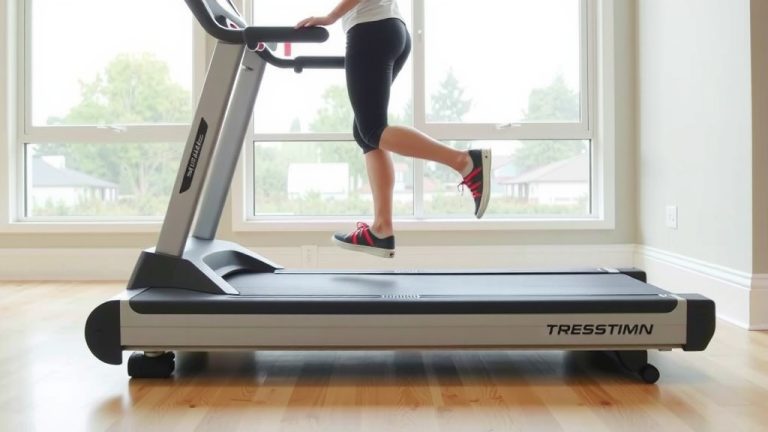
Many people wonder how this simple adjustment makes such a big difference. We found that tilting your treadmill mimics uphill walking or running, engaging more muscles. This means you’re working harder, even at a slower pace.
- Increases calorie burn significantly.
- Builds leg and glute muscles.
- Mimics outdoor hill training.
- Reduces impact on joints.
- Offers a more challenging workout.
Let’s walk through exactly how that incline can transform your treadmill sessions and why you might want to start using it more often.
Making Your Treadmill Work Harder: The Power of Incline
Tackling an incline on your treadmill might seem like a small change, but it can dramatically boost your fitness results. This simple adjustment turns your flat belt into a challenging hill. You’ll burn more calories and build strength without increasing your speed.
How Incline Engages More Muscles
When you tilt your treadmill, you’re forcing your body to work against gravity more. This means your muscles have to work harder with every step. It’s like walking or running uphill in the real world, but with more control.
We found that inclining the treadmill activates your gluteal muscles (your butt muscles) and hamstrings more effectively. Your calves and quadriceps also get a more intense workout. It’s a fantastic way to target these major leg muscles.
The Glute Activation Secret
Think about climbing a real hill. Your glutes are your primary power source. They help propel you upward. When you set your treadmill to an incline, you mimic this natural motion. Your glutes have to contract more forcefully to lift your body weight with each step.
This extra engagement can lead to stronger, more toned glutes over time. Many fitness experts point to incline training as a way to improve your power and stability (Cleveland Clinic).
Beyond the Glutes: Calves and Quads
Your calf muscles also get a good workout. They work harder to push off the belt. Your quadriceps, on the front of your thighs, work to control your knee bend. They absorb more impact with each stride.
Boosting Your Calorie Burn with Incline
One of the biggest benefits of using treadmill incline is the increased calorie expenditure. You’re simply burning more energy when you work harder.
Why Incline Burns More Calories
When you walk or run on an incline, your body needs more oxygen. This means your heart rate goes up. Your metabolism also speeds up to meet the increased demand. It’s a direct result of your muscles working harder.
We found that even a moderate incline can significantly increase the number of calories you burn during your workout. This makes your treadmill session much more efficient for weight management goals.
Comparing Incline vs. Speed for Calorie Burn
Many people think they have to run at top speed to burn a lot of calories. But we found that adding incline can be just as effective, if not more so. You can maintain a steady, comfortable pace and still get a great calorie burn.
Consider this: walking at 3 mph on a 5% incline can burn as many calories as running at 5 mph on a flat surface. This is a game-changer for those who prefer lower-impact cardio.
| Activity | Estimated Calorie Burn (30 min) |
|---|---|
| Walking Flat (3 mph) | 130 calories |
| Walking Incline (3 mph, 5%) | 200 calories |
| Running Flat (5 mph) | 220 calories |
Note: Calorie burn varies based on individual weight, metabolism, and exertion level.
Reducing Joint Impact While Increasing Intensity
You might think that working harder means more impact on your joints. But with treadmill incline, it’s often the opposite. This is a key reason why many people turn to incline training.
How Incline Protects Your Joints
When you increase the incline, your stride tends to shorten. Your foot strikes the belt more directly underneath your body. This reduces the forward impact on your knees and hips. It’s a much gentler landing.
We found that this type of movement can be a great option for those with joint pain or recovering from injuries. It allows you to challenge your cardiovascular system and build leg strength without the jarring effect of high-impact running.
Mimicking Natural Movement
Walking and running uphill are natural human movements. When you use incline, you’re essentially bringing an outdoor challenge indoors. You don’t need to worry about uneven terrain or weather conditions.
This makes it a safe and effective way to get the benefits of hill training. It’s all about working smarter, not just harder. Many physical therapists recommend incline walking for rebuilding leg strength safely (Mayo Clinic).
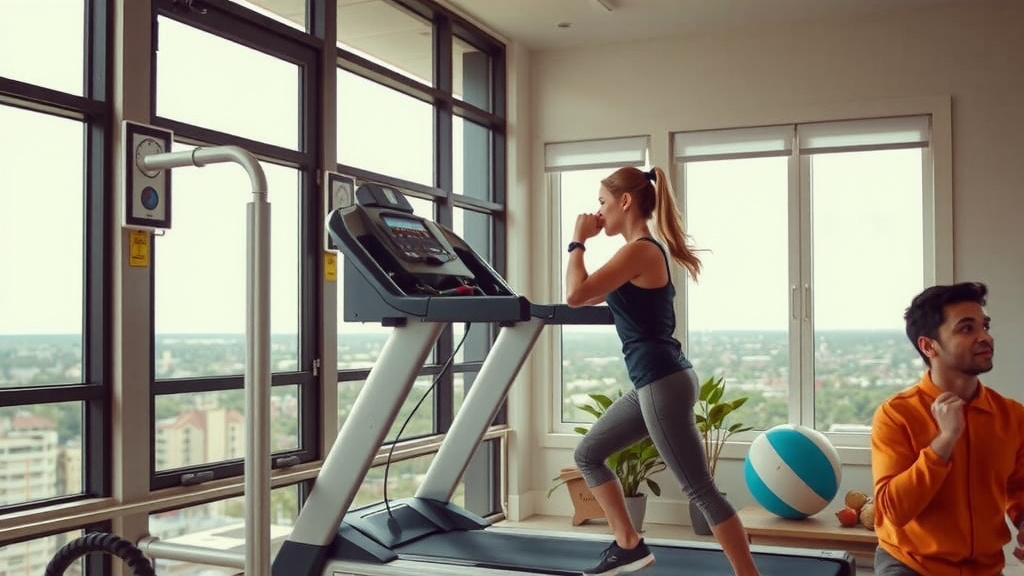
How to Incorporate Incline Into Your Routine
Ready to give it a try? Adding incline to your treadmill workouts is simple. Start gradually to let your body adjust. You don’t need to go all out on day one!
Starting Out with Incline
If you’re new to incline, begin with a low setting. Try 1% or 2% for your first few workouts. Focus on maintaining good posture. Keep your core engaged and your shoulders relaxed.
Progression Tips
As you get more comfortable, you can gradually increase the incline. Try adding 1% every week or two. You can also increase the duration you spend at higher inclines.
Another option is to vary your incline throughout your workout. Try doing intervals of higher incline followed by periods of flat walking. This keeps your workout dynamic and engaging.
A Quick Incline Workout Checklist
- Start with a 5-minute warm-up on a flat setting.
- Increase incline to 2-3% for 5 minutes.
- Set incline to 5-7% for 3 minutes, walking at a brisk pace.
- Return to 1-2% incline for 5 minutes.
- Repeat the higher incline interval if you feel ready.
- Finish with a 5-minute cool-down on a flat setting.
Conclusion
You’ve learned that adding incline to your treadmill routine is a smart move for your fitness. It effectively torches more calories and seriously strengthens your leg muscles, especially your glutes. Plus, you get these benefits while being kinder to your joints by reducing impact. Remember to start slow and gradually increase the incline as you get comfortable. Give it a try and feel the difference in your next workout!
Frequently Asked Questions
How much incline should I use on a treadmill?
Start with a low incline, around 1-2%, if you’re new to it. As you build strength, you can gradually increase this. Many find 5-7% offers a good challenge for calorie burn and muscle engagement.
Can treadmill incline help with weight loss?
Yes, treadmill incline can definitely help with weight loss. By engaging more muscles and increasing your heart rate, you burn more calories during your workout, contributing to a calorie deficit needed for weight loss.
Is treadmill incline better than running faster?
For some goals, yes. Incline training burns more calories and builds muscle with less impact than running at a higher speed. You can achieve a similar calorie burn to running fast while maintaining a lower, more comfortable pace.
Will using incline make my legs bigger?
Using incline primarily builds strength and tone in your leg muscles, like your glutes, hamstrings, and calves. It’s unlikely to cause significant muscle bulk unless you’re training at very high intensities for extended periods.
Can I use incline if I have knee pain?
Treadmill incline can often be beneficial for knee pain because it reduces impact. Your stride shortens and lands more directly under your body. However, always listen to your body and consult a doctor or physical therapist if you have concerns.
One Comment