How Does an Anti-Gravity Treadmill Work?
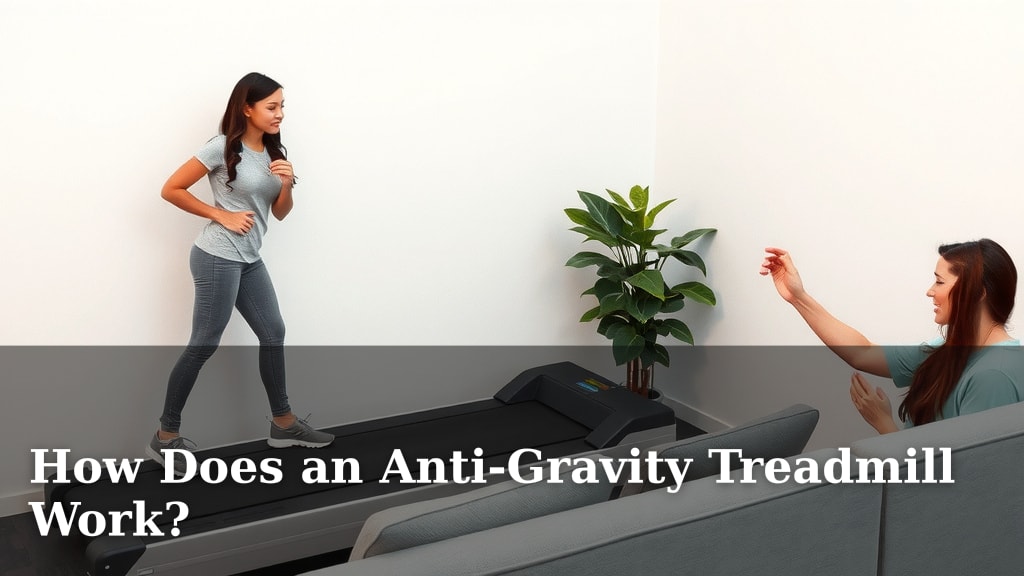
An anti-gravity treadmill works by creating a cushion of air around your lower body. This air pressure reduces your body weight by up to 80%. You can then run or walk with much less impact on your joints. This makes it a great tool for rehabilitation and training.
These special treadmills, also known as unweighting machines, use a combination of a sealed chamber and air pressure. Many athletes and physical therapists rely on them. They help with recovery from injuries. They also allow for training at reduced body weight. This means less stress and more comfort during your workout.
- Anti-gravity treadmills use air pressure to lift you.
- They can reduce your effective body weight by up to 80%.
- This lessens the impact on your joints while running or walking.
- It’s a popular tool for injury recovery and athletic training.
Ready to learn more about the science behind this amazing machine? Let’s dive into how an anti-gravity treadmill actually works.
How an Anti-Gravity Treadmill Works Its Magic
You might be wondering how a treadmill can make you feel lighter. It’s not science fiction; it’s clever engineering. An anti-gravity treadmill, often called an unweighting treadmill, uses a special system. This system creates a pocket of air. This air pressure lifts a portion of your body weight. It’s designed to reduce the impact on your legs and joints.
The Core Technology: Air Pressure and Containment
At its heart, an anti-gravity treadmill is about precise air control. You step into a chamber. This chamber creates a sealed environment around your lower body. Think of it like a personal, controlled air bubble. This bubble is the key to its “anti-gravity” effect.
Creating the Air Cushion
The treadmill has a powerful fan system. This system draws in air from the room. It then pressurizes this air. The pressurized air is directed into the chamber around your legs. This upward force of air is what reduces your effective body weight. It’s like floating, but with control.
The Protective Skirt Seal
A flexible skirt surrounds the lower part of the chamber. This skirt creates a seal against your body. It’s usually made of neoprene or a similar material. This seal is vital. It prevents the pressurized air from escaping. Without a good seal, the air pressure wouldn’t build up effectively. This skirt allows you to move your legs freely while maintaining the air cushion.
Adjusting the Unweighting Level
One of the most impressive features is control. You can adjust how much weight is being reduced. Settings typically range from 20% to 80% of your body weight. This means you can dial in the exact level of support you need. This makes it suitable for many different users and goals.
The Science Behind the Lift: Understanding Buoyancy and Pressure
The principle at play here is similar to buoyancy. When you’re in water, you feel lighter. That’s because the water is pushing up on you. An anti-gravity treadmill uses air pressure to create a similar effect. The upward pressure of the air counteracts some of your body’s downward pull of gravity.
Newton’s Laws in Action
It’s all rooted in basic physics. Specifically, Newton’s Third Law: for every action, there is an equal and opposite reaction. The fan pushes air down and outwards within the chamber. This action creates an upward reaction force. This force lifts you. The higher the air pressure, the greater the upward force.
Pressure Gradients for Support
The system carefully manages pressure gradients. The air is higher pressure beneath your feet and legs. It’s lower pressure above. This difference in pressure is what generates the lift. The skirt ensures the pressure stays focused where it’s needed. Many studies show this pressure system effectively reduces joint loading (NCBI).
How It Benefits You: From Rehabilitation to Performance
So, why would you want to use one of these machines? The benefits are quite extensive. They offer a unique way to exercise and recover.
Injury Rehabilitation: A Gentle Re-Entry
For those recovering from injuries, especially to the legs, ankles, or feet, it’s a lifesaver. Running or walking on a regular treadmill can be painful and risky. The reduced impact allows you to move sooner. You can rebuild strength and endurance without re-injuring yourself. Many physical therapists use them to help patients get back on their feet (Cleveland Clinic).
Examples of Use Cases
- Recovering from stress fractures.
- Rehabbing after knee or ankle surgery.
- Managing arthritis pain during exercise.
- Building back muscle after long periods of immobility.
Athletic Training: Enhancing Performance Safely
Athletes use anti-gravity treadmills too. They can increase training volume without increasing the risk of overuse injuries. Imagine running longer distances or faster paces. You can do it with less stress on your body. This can help improve cardiovascular fitness and leg strength.
Training Advantages
- Increasing mileage without adding impact.
- Practicing running form at higher speeds.
- Maintaining fitness during rehabilitation phases.
- Reducing fatigue on high-intensity training days.
Weight Management and Fitness
Even if you’re not injured or an elite athlete, these treadmills offer a way to get fit. If you’re new to exercise or carrying extra weight, it can be a comfortable start. You get a great cardio workout with less strain. This can make exercise more enjoyable and sustainable.
Key Components of an Anti-Gravity Treadmill
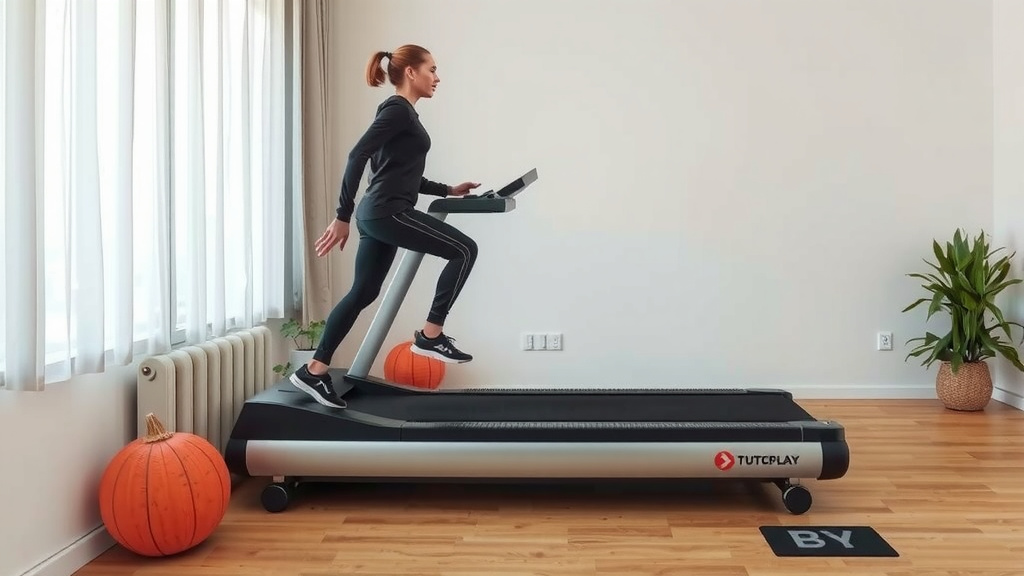
To understand how it works, let’s break down the main parts you’d interact with or that make it function.
The Treadmill Belt and Motor
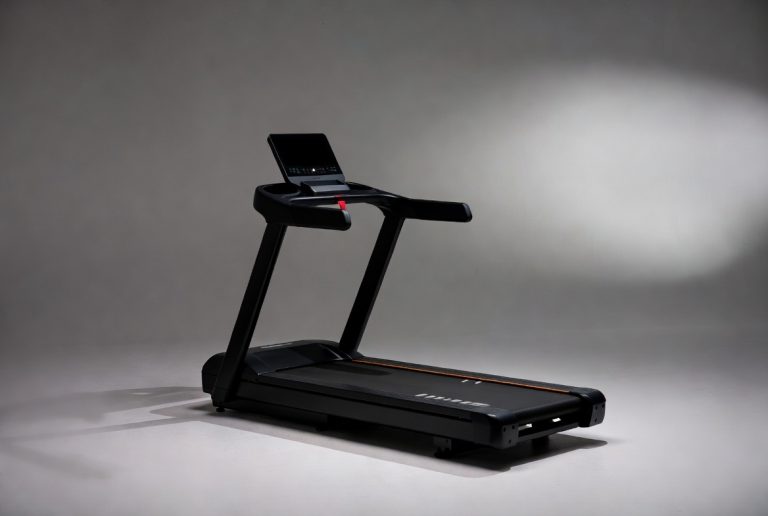
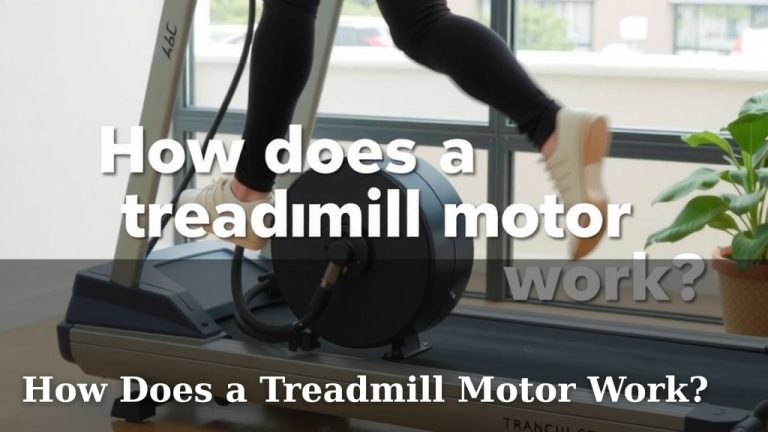
This part is familiar. It has a standard treadmill belt and motor. This allows for normal walking and running motion. The speed and incline are controlled as you’d expect.
The Unweighting Chamber and Skirt
This is the specialized part. The chamber surrounds your lower body. The flexible skirt creates the seal. You can see through the chamber, making it feel less claustrophobic. The skirt is designed to be comfortable and effective.
The Airflow and Control System
This is the “brain” and “lungs” of the machine. Powerful fans generate the airflow. A sophisticated control panel allows you to set your desired unweighting percentage. It also monitors air pressure and airflow to ensure safety and effectiveness. This system is designed to be user-friendly, even with its advanced capabilities.
User Interface and Settings
You’ll typically see a digital display. This shows your current unweighting level, speed, distance, and time. You can use buttons or a touchscreen to adjust settings. Some machines may also offer pre-programmed workouts or tracking features.
Is an Anti-Gravity Treadmill Right for You? A Quick Checklist
Considering if this technology fits your needs? Ask yourself these questions:
- Do you have joint pain when exercising?
- Are you recovering from a lower body injury?
- Do you want to increase your running volume safely?
- Are you new to exercise and looking for a low-impact start?
- Do you need to maintain fitness while injured?
- Are you curious about experiencing running with reduced impact?
Conclusion
You’ve learned how an anti-gravity treadmill uses a clever system of air pressure and a sealed chamber to reduce your body weight. This technology makes a real difference for rehabilitation, allowing gentle movement after injuries. Athletes also benefit, increasing training volume safely. For everyday fitness, it offers a comfortable, low-impact way to get moving. If you’re looking for a way to exercise with less joint stress, consider if this innovative treadmill could be your perfect match. Explore options at your local physical therapy clinic or specialized fitness centers to see it in action.
Frequently Asked Questions
Can anyone use an anti-gravity treadmill?
Generally, yes. Anti-gravity treadmills are designed for a wide range of users, from those recovering from injuries to athletes and beginners. The adjustable unweighting feature means you can tailor the experience to your specific needs and comfort level.
How much weight can an anti-gravity treadmill actually reduce?
These treadmills can reduce your effective body weight by up to 80%. This means if you weigh 200 pounds, the treadmill could make you feel like you only weigh 40 pounds, significantly lessening the impact on your body.
Is it safe to run on an anti-gravity treadmill?
Yes, it is very safe. The primary purpose of the technology is to reduce impact. This makes running safer, especially during recovery from injuries or for individuals with joint pain, as it minimizes stress on your legs and feet.
What’s the difference between an anti-gravity treadmill and a regular one?
The main difference is the unweighting system. A regular treadmill provides a standard running surface, while an anti-gravity treadmill uses air pressure to create a cushion that reduces your body weight. This allows for a much lower-impact workout.
Can I adjust the level of unweighting during my workout?
Absolutely. Most anti-gravity treadmills allow you to adjust the percentage of body weight reduction on the fly. This means you can increase or decrease the unweighting level as needed during your session, providing flexibility for your workout.