Treadmill Weight Loss: How Effective Is It For You
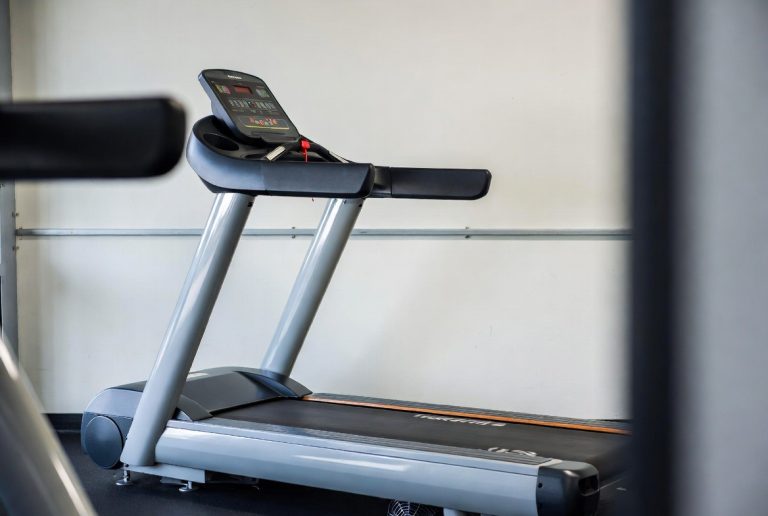
Yes, a treadmill can be a fantastic tool for losing weight. When you use it consistently, you can burn a significant number of calories, which is key to shedding pounds. It’s an accessible way to get your cardio in, right in your own home.
Treadmills offer a controlled environment for your workouts. This means you can easily adjust the speed and incline to match your fitness level and weight loss goals. They are also gentle on your joints compared to some other high-impact exercises.
- Yes, treadmills are good for weight loss.
- They help you burn calories effectively.
- You can control your workout intensity easily.
- They offer a joint-friendly exercise option.
Ready to get started? Let’s dive into how you can make your treadmill routine work best for your weight loss journey.
How Powerful Is a Treadmill for Weight Loss?
A treadmill can be an incredibly effective tool for losing weight. It’s a straightforward way to boost your calorie burn right from home. You control the pace and challenge, making it suitable for almost anyone. Consistent use is the real key to seeing results on the scale.
When you’re looking to drop pounds, the basic math is simple: you need to burn more calories than you consume. A treadmill helps you tackle that calorie-burning side of the equation effectively. It’s a cardio machine designed to get your heart rate up and keep it there.
Your Calorie-Burning Powerhouse
Treadmills excel at helping you burn calories, which is fundamental for weight loss. The number of calories you burn depends on a few factors. Your weight, the intensity of your workout, and how long you exercise all play a role. A heavier person will generally burn more calories than a lighter person doing the same workout.
For example, a person weighing around 150 pounds might burn about 300-400 calories in 30 minutes of brisk walking or jogging on a treadmill. If that same person weighs 200 pounds, they could burn 400-550 calories in the same 30 minutes. That’s a substantial difference!
We found that even moderate intensity workouts can lead to significant calorie expenditure over time. The U.S. Department of Health and Human Services suggests aiming for at least 150 minutes of moderate-intensity aerobic activity per week. A treadmill makes hitting this target much easier.
What Affects Your Calorie Burn on a Treadmill?
Several elements influence how many calories you torch:
- Your Body Weight: As mentioned, heavier individuals burn more calories.
- Workout Intensity: This is determined by speed and incline. Faster speeds and steeper inclines burn more calories.
- Duration: The longer you’re on the treadmill, the more calories you’ll burn.
- Your Fitness Level: As you get fitter, your body becomes more efficient. You might burn slightly fewer calories doing the exact same workout over time, but you’ll likely be able to push harder.
Finding Your Weight Loss Sweet Spot
To maximize weight loss, you need to find an intensity that challenges you but is also sustainable. Experts often recommend working within your target heart rate zone. A general guideline is to aim for 50-70% of your maximum heart rate for moderate intensity. For vigorous intensity, it’s 70-85% (Mayo Clinic).
How do you figure that out? You can estimate your maximum heart rate by subtracting your age from 220. So, if you’re 40, your estimated max heart rate is 180 beats per minute (bpm). Moderate intensity would be roughly 90-126 bpm (50-70% of 180).
Crafting Your Treadmill Workout Plan
Simply walking or running on a treadmill is good, but a structured plan is better for weight loss. You want to keep your body guessing and continuously challenge yourself. Variety is key to preventing plateaus and staying motivated.
The Power of Interval Training
High-Intensity Interval Training (HIIT) on a treadmill can be incredibly effective. This involves short bursts of very intense effort followed by brief recovery periods. It’s tough, but it burns a lot of calories in a shorter amount of time. Plus, your body continues to burn calories even after the workout ends – this is often called the “afterburn effect.”
For example, you could:
- Warm up for 5 minutes at a brisk walk.
- Sprint or run at a high intensity for 30 seconds.
- Walk or jog slowly for 60-90 seconds to recover.
- Repeat this cycle 8-10 times.
- Cool down with a 5-minute walk.
This type of training can be adapted to your fitness level. You can adjust the speed and duration of the high-intensity bursts and recovery periods.
Harnessing the Incline
Don’t forget about the incline feature! Increasing the incline turns your treadmill workout into a more challenging, muscle-building exercise. Walking or running uphill engages your glutes, hamstrings, and calves more intensely.
We found that using an incline can significantly increase calorie burn without necessarily needing to increase your speed. It also mimics outdoor terrain, which can be more engaging. Think of it as hiking without leaving your living room!
Consider this progression:
- Beginner: Start with a 5-10% incline at a brisk walking pace.
- Intermediate: Increase incline to 10-15% and maintain a brisk pace or light jog.
- Advanced: Challenge yourself with 15%+ incline, potentially incorporating short running intervals.
Your Daily Commitment Matters
The most important factor for weight loss with a treadmill is consistency. It’s better to do a 30-minute moderate workout five days a week than to do one 2-hour session sporadically. Your body needs regular activity to adapt and burn fat.
We found that individuals who stick to a regular exercise routine are far more likely to achieve their weight loss goals than those who don’t. Aim to schedule your treadmill sessions like any other important appointment.
Creating Your Schedule
Try to find times that work best for you:
- Morning: Get it done before the day gets busy.
- Lunch break: A quick session can boost your afternoon.
- Evening: Unwind and burn calories after dinner.
Listen to your body. If you’re new to exercise, start with shorter durations and gradually increase. Rest days are also vital for muscle recovery and preventing burnout.
A Gentle Option for Your Body
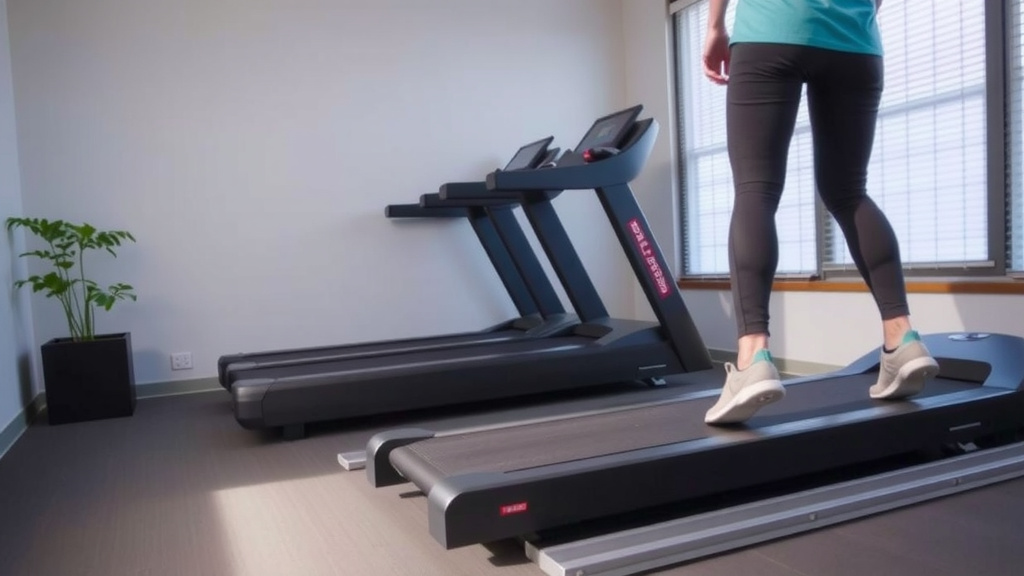
One of the biggest advantages of treadmills is their joint-friendly nature. Compared to running on pavement or other hard surfaces, the cushioned deck of a treadmill absorbs much of the impact.
This makes it a great choice if you have joint pain, are recovering from an injury, or simply want to reduce the stress on your knees, hips, and ankles. Many experts recommend treadmills for their shock absorption properties (Cleveland Clinic).
This low-impact feature means you can often train more frequently without experiencing the same level of fatigue or soreness you might get from high-impact activities. It allows you to stay consistent with your workouts, which, as we’ve discussed, is crucial for weight loss.
Your Treadmill Weight Loss Checklist
Ready to make your treadmill work for you? Keep these points in mind:
- Set realistic calorie burn goals for each session.
- Incorporate interval training for maximum effect.
- Don’t underestimate the power of the incline.
- Stay consistent with your workouts each week.
- Listen to your body and allow for rest and recovery.
- Combine treadmill use with a balanced diet for best results.
Conclusion
You’ve seen that a treadmill is a powerful ally for your weight loss journey. It offers a controlled, joint-friendly way to burn calories effectively. By incorporating techniques like interval and incline training, you can maximize your results. Remember, consistency is your greatest asset. Keep showing up for yourself, and you’ll see the progress you’re working toward.
Your next step? Schedule your first treadmill workout for this week. Make it a non-negotiable appointment with yourself.
Frequently Asked Questions
How long should I use a treadmill to lose weight?
For weight loss, aim for at least 150 minutes of moderate-intensity treadmill exercise per week. This could be 30 minutes, five days a week. Listen to your body, and gradually increase duration as you get fitter.
Can I lose weight with just a treadmill, or do I need other exercises?
A treadmill is excellent for cardio and calorie burn, which is key for weight loss. For best results, we found combining it with strength training helps build muscle. Muscle burns more calories at rest, boosting your metabolism.
Is walking on a treadmill as effective as running for weight loss?
Both walking and running on a treadmill can be effective. Running burns more calories per minute than walking. However, a brisk walk with a good incline can also lead to substantial calorie burn and is easier on your joints.
How quickly can I expect to see results from using a treadmill for weight loss?
Weight loss results vary based on your diet, workout intensity, and consistency. You might start noticing changes within a few weeks, but sustainable weight loss typically takes months. Focus on steady progress rather than quick fixes.
What’s the best time of day to use a treadmill for weight loss?
The best time is whenever you can consistently stick to your routine. Some research suggests morning workouts may boost metabolism for the day. However, an evening session can help you unwind. Find what fits your lifestyle best.