How Fast Should You Walk on a Treadmill for Best Results
The ideal treadmill walking speed for you depends on your fitness goals. Generally, a brisk pace of 3 to 4 miles per hour is a good target for most people looking to improve cardiovascular health. This speed allows you to work your heart and lungs without being overly strenuous. It’s a sustainable pace for a solid workout.
Finding your “just right” speed is key to making treadmill walking enjoyable and effective. Many experts suggest aiming for a pace where you can talk but not sing. This indicates you’re in an aerobic zone that burns calories efficiently. Don’t be afraid to adjust your speed based on how you feel that day.
- Your target speed depends on your fitness level and goals.
- A brisk pace of 3-4 mph is a good starting point.
- You should be able to talk but not sing during your walk.
- Listen to your body and adjust your speed as needed.
Ready to find your perfect treadmill stride? Let’s break down how to determine the right speed for your next walk.
Finding Your Ideal Treadmill Walking Pace
So, you’ve stepped onto the treadmill and you’re ready to get moving. But how fast should you actually be walking? The truth is, there’s no single magic number that fits everyone. Your perfect pace is a personal journey, tailored to your fitness level and what you want to achieve with your workout. Think of it like finding the perfect driving speed for a scenic route – you want to enjoy the ride and get to your destination efficiently, without pushing the engine too hard.
Understanding the Basics of Treadmill Speed
When you’re on a treadmill, the speed setting directly influences the intensity of your workout. A slower pace, like a casual stroll, might feel more like a warm-up. A faster pace, on the other hand, will get your heart pumping and your muscles working harder. The key is to find a speed that challenges you just enough to see results, but not so much that you dread stepping on the machine.
What is a “Brisk Pace”?
Many fitness experts talk about walking at a “brisk pace.” What does that really mean in terms of miles per hour (mph)? Generally, a brisk walk falls between 3 and 4 mph. This is a pace where you’re moving purposefully. You’ll feel your heart rate increase, and you might start to break a light sweat. It’s fast enough to be a good cardio workout but still allows you to maintain a conversation.
The “Talk Test” for Intensity
One of the simplest ways to gauge your walking intensity is the “talk test.” Research shows this is a reliable indicator of your effort level (CDC). If you can easily hold a full conversation without getting winded, you might be walking too slowly for a significant calorie burn. If you can only manage a word or two before needing to catch your breath, you’re likely pushing too hard for a sustained aerobic walk. The sweet spot? You should be able to talk in full sentences, but singing a song would be difficult. This typically means you’re in an aerobic zone, which is great for burning fat and improving cardiovascular health.
How Your Fitness Goals Shape Your Speed
What you hope to gain from your treadmill sessions plays a huge role in determining your speed. Are you aiming to lose weight, improve your endurance, or simply stay active? Your speed should align with these objectives.
Walking for General Fitness and Health
If your main goal is to maintain good health and get your body moving, a steady, brisk pace is usually sufficient. Aiming for that 3 to 4 mph range is a great starting point. This speed helps you meet recommended physical activity guidelines, such as the 150 minutes of moderate-intensity aerobic activity per week suggested by health organizations (NIH). It’s about consistency and building a habit, and this pace makes it easy to stick with it.
Walking for Weight Loss
When weight loss is your primary objective, you’ll want to push your intensity a bit higher. Burning more calories is key, and a faster walking speed can help with that. Many studies suggest that increasing walking speed or incorporating incline can boost calorie expenditure. Consider aiming for the upper end of the brisk pace range, around 4 mph, or even slightly faster if you can maintain it comfortably. You might also consider adding an incline to your walk; this can significantly increase the calorie burn without requiring you to speed up too much. To maximize calorie burn for weight loss, consider a faster walking speed.
Walking for Endurance and Performance
If you’re training for an event, like a race or a long-distance hike, you’ll need to challenge yourself more. For improved endurance, you might work on sustaining faster speeds for longer periods. This could mean walking at 4.5 mph or even incorporating short bursts of jogging or running if that’s part of your training plan. The goal here is to push your limits gradually, allowing your cardiovascular system and muscles to adapt to higher demands.
Adjusting Speed Based on Incline and Other Factors
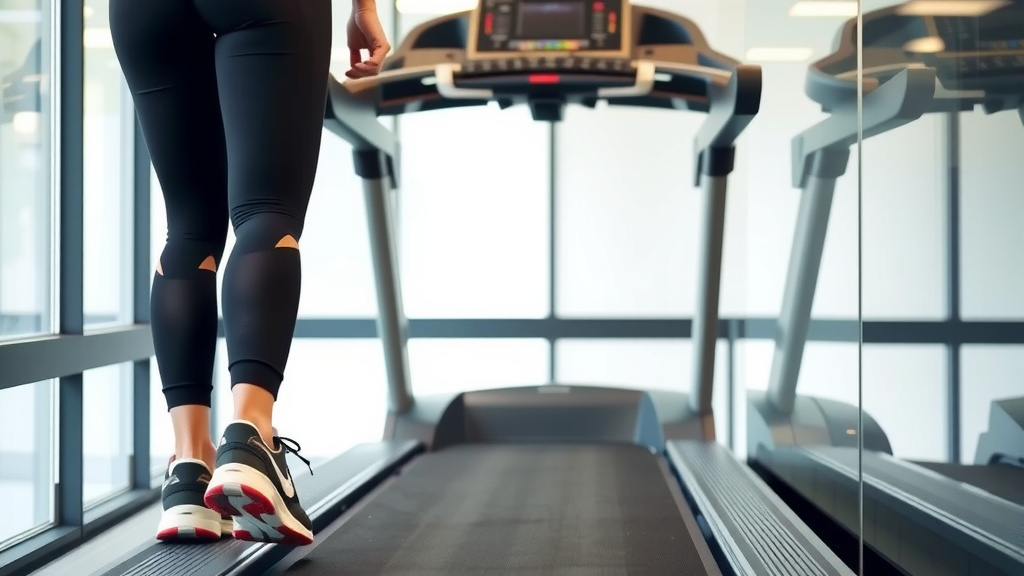
It’s not just about the flat ground speed. The treadmill’s incline feature is a powerful tool for varying your workout intensity. Think of walking uphill in real life – it’s harder, right? The treadmill simulates that.
The Role of Incline
Adding incline to your walk can make a huge difference. Even at a moderate pace, increasing the incline can elevate your heart rate and engage different leg muscles more effectively. For example, a 3 mph walk on a 5% incline will feel much more challenging than a 3 mph walk on a 0% incline. Experts often recommend incorporating incline to provide a more comprehensive workout and increase calorie expenditure without the impact of running (Mayo Clinic). It’s a fantastic way to boost intensity, especially if you find yourself plateauing at your current speed. Adding incline to your walk can boost intensity and calorie burn.
Listening to Your Body: The Ultimate Guide
This is perhaps the most important factor. Your body will tell you what it can handle on any given day. Some days you might feel energetic and strong, ready to tackle a faster pace or a steeper incline. Other days, you might feel tired or sore, and that’s perfectly okay. Pushing too hard when your body is signaling fatigue can lead to injury or burnout. Always prioritize how you feel. If you’re feeling good, try increasing your speed slightly or adding a bit more incline. If you’re feeling tired, it’s fine to slow down and maintain a more comfortable pace. It’s a marathon, not a sprint, and consistency over time is what truly matters.
How to Test Your Speed
The best way to find your starting speed is through experimentation. Begin at a comfortable walking pace, perhaps around 2.5 to 3 mph. After a few minutes, gradually increase the speed by 0.5 mph. Assess how you feel at each level. Can you maintain the pace comfortably for several minutes? Can you still talk? Try to reach a point where you feel challenged but not overwhelmed. A good target is a speed where your breathing is noticeably elevated, but you can still speak in short sentences. You can then increase this speed over time as your fitness improves.
A Quick Reference Table
Here’s a simple guide to help you match speed and incline with your goals:
| Goal | Target Speed (mph) | Incline Suggestion | Perceived Exertion |
|---|---|---|---|
| General Health/Warm-up | 2.5 – 3.5 | 0% – 2% | Light to Moderate |
| Moderate Cardio/Calorie Burn | 3.0 – 4.0 | 2% – 5% | Moderate (Can talk, but not sing) |
| Weight Loss/Higher Intensity | 3.8 – 4.5+ | 5% – 10%+ | Somewhat Hard (Can only speak short phrases) |
| Endurance Training | 4.0 – 5.0+ | Variable (Depends on training) | Hard to Very Hard |
Your Personalized Treadmill Walk Checklist:
- Start with a speed that feels comfortable for a few minutes.
- Gradually increase speed until you feel a challenge.
- Use the “talk test” to gauge your intensity level.
- Don’t be afraid to add incline for a tougher workout.
- Listen to your body – adjust speed based on how you feel.
- Aim for consistency rather than pushing too hard too soon.
Conclusion
Finding your ideal treadmill walking speed is about listening to your body and aligning it with your fitness goals. Remember, a brisk pace of 3 to 4 mph often hits the sweet spot for general health, while weight loss might require a faster stride or added incline. Endurance training means pushing those limits further. Don’t be afraid to experiment and use the “talk test” as your guide. Your perfect pace is unique to you, so make it enjoyable and sustainable. Lace up your shoes and start walking at a speed that feels right for you today!
Frequently Asked Questions
What’s the fastest I should walk on a treadmill?
The fastest you should walk depends entirely on your fitness level and workout goals. If you’re training for endurance or trying to maximize calorie burn, you might aim for speeds of 4.5 mph or higher. However, for most people, maintaining a challenging but sustainable pace is more important than reaching an absolute top speed.
How do I know if my treadmill walking speed is too slow?
You’ll know your speed is too slow if you can easily carry on a full conversation without feeling winded. Research suggests that if you’re not feeling a moderate challenge where talking becomes slightly difficult, you might not be working your cardiovascular system effectively for significant calorie burn or health benefits.
Can walking speed on a treadmill affect weight loss?
Yes, walking speed absolutely impacts weight loss. Increasing your treadmill speed burns more calories in the same amount of time. Combining a faster pace with an incline can further boost your calorie expenditure, making it a more effective tool for weight management.
Should I use incline or speed to make my walk harder?
Both incline and speed can increase workout intensity. Using incline can provide a great challenge and engage different leg muscles without necessarily increasing impact. Many find a combination of moderate speed and a slight incline offers a well-rounded and effective workout for calorie burn and muscle engagement.
How often should I change my treadmill walking speed?
It’s beneficial to vary your speed periodically. You can do this within a single workout by incorporating intervals of faster and slower paces. Over time, as your fitness improves, you should aim to gradually increase your usual walking speed or the incline to continue challenging your body and see progress.