Treadmill Speed: How Fast Should You Really Go
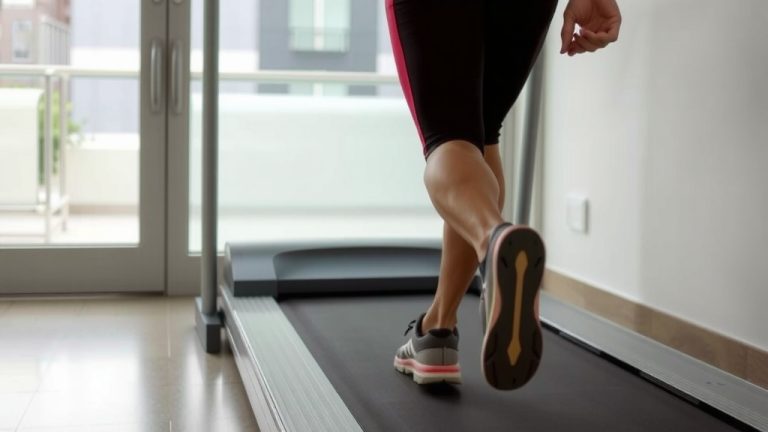
The speed you should go on a treadmill really depends on your fitness goals and current condition. For general cardio, many experts suggest starting around 3 to 4 miles per hour, which is a brisk walk. If you’re aiming for a jog or run, you’ll want to go faster, typically between 5 to 7 mph. Always listen to your body and adjust as needed to keep yourself safe and effective.
Finding the right treadmill speed isn’t a one-size-fits-all answer. What works wonders for one person might be too intense or too easy for another. It’s about striking a balance that challenges you without pushing you into the risk zone. We’ve found that focusing on your perceived exertion is often more telling than a number on the display.
- Your ideal treadmill speed depends on your fitness level.
- Beginners often start with a brisk walking pace (3-4 mph).
- Jogging or running speeds typically range from 5-7 mph.
- Focus on how you feel, not just the speed number.
- Adjust speed to meet your specific workout goals.
Ready to find your perfect pace? Let’s walk through how to determine the best treadmill speed for you, based on common goals and how to monitor your effort.
“`htmlFinding Your Sweet Spot: Treadmill Speed for Every Goal
So, you’re wondering about the right treadmill speed. It’s not a simple dial you just set and forget. Your ideal pace is a personal journey, one that maps directly to your fitness aspirations and how your body feels today. Think of it like tuning a radio – you want to find that clear signal, not static or silence.
We found that starting with a basic understanding of different paces can be really helpful. This way, you can make informed choices about your workout. It’s all about finding that challenging yet sustainable zone for your unique needs.
The Brisk Walk: Your Foundation
For many people, the treadmill is a place to get some good, old-fashioned cardio. If your main goal is general fitness, weight management, or simply moving more, a brisk walk is a fantastic starting point. Many experts suggest a speed between Learn how walking on a treadmill can help you reach your weight loss goals.3.0 and 4.0 miles per hour (mph) for this.
Why is this speed so good? It’s fast enough to get your heart rate up and burn calories, but still allows you to hold a conversation. This means you can watch your favorite show or chat with a friend while you walk. It’s an accessible pace for most fitness levels, from beginners to those looking for an active recovery day.
What a Brisk Walk Feels Like
Imagine you’re walking down the street on a mission. You’re moving purposefully, but you’re not out of breath. Your steps are longer than a casual stroll, and you feel a slight challenge in your leg muscles. You might be breathing a bit heavier than normal, but you can still speak in full sentences.
Stepping Up the Intensity: Jogging and Running
Ready to kick things up a notch? If your goal is to improve cardiovascular health, increase endurance, or burn more calories in a shorter amount of time, then jogging or running is likely your aim. Here, speeds typically range from 5.0 to 7.0 mph.
This range offers a significant cardiovascular challenge. For many, a 5.0 mph pace is a comfortable jog, while 6.0 mph might feel like a moderate run. Pushing towards 7.0 mph or higher puts you into a faster running pace. Remember, this is where form becomes even more important to prevent injuries.
When Should You Jog or Run?
You’ll know it’s time to consider jogging or running when a brisk walk feels too easy. If you can easily carry on a full conversation without any effort, you might be ready to increase the pace. This is especially true if your goal is to improve your mile time or train for a race.
The Perceived Exertion Scale: Listening to Your Body
While numbers on a treadmill display are helpful, how you *feel* is often a more accurate indicator of your effort. This is where the concept of perceived exertion comes in. We found that using this subjective measure can be incredibly effective.
Think about it: is the machine’s speed truly matching your body’s readiness for the day? Sometimes you might feel stronger, and other days, a bit tired. Your perceived exertion helps you adjust accordingly. Many fitness guidelines recommend targeting a moderate intensity, where you can talk but not sing (CDC).
Understanding the Scale
On a scale of 1 to 10, where 1 is resting and 10 is maximal effort, aim for a perceived exertion of 4-6 for moderate-intensity cardio. This means you’re working hard enough to feel it, but you’re not completely winded. You can still speak in short sentences.
For vigorous intensity (often associated with faster running), you might aim for a 7-8 on this scale. At this level, you can only speak a few words at a time. It’s about finding that sweet spot where you’re challenged but still in control.
Setting Your Treadmill Speed Based on Goals
Let’s break down how to set your speed for different common workout objectives. This isn’t about rigid rules, but rather helpful starting points.
| Fitness Goal | Recommended Speed Range (mph) | Perceived Exertion (1-10) | What it Feels Like |
|---|---|---|---|
| General Fitness/Weight Loss | 3.0 – 4.5 (Brisk Walk) | 4 – 5 | Can talk in full sentences, breathing noticeably heavier. |
| Cardio Improvement/Jogging | 5.0 – 6.0 (Light Jog) | 5 – 6 | Can talk in short sentences, breathing deeply. |
| Endurance/Running | 6.0 – 7.5+ (Running) | 6 – 7 | Can only speak a few words at a time. Feeling a strong challenge. |
| Active Recovery | 2.0 – 3.0 (Gentle Walk) | 2 – 3 | Feels very easy, can talk effortlessly. |
What About Incline?
Don’t forget about the incline! Adjusting the incline can dramatically change your workout without always needing to increase speed. Walking or running on an incline can mimic hills and engage different muscles, making your workout more effective. Even a small incline, like 1-2%, can make a difference.
Tips for Finding Your Perfect Pace
Figuring out your ideal speed is an ongoing process. Here are a few practical tips we’ve found helpful:
- Start Slow: Especially if you’re new to treadmill workouts, begin at a lower speed and gradually increase it.
- Listen to Your Body: Pay attention to any pain or discomfort. It’s your body’s way of telling you to slow down or stop.
- Warm-Up and Cool-Down: Always start your workout with a few minutes of slower walking and finish with a cool-down period.
- Vary Your Speed: Don’t be afraid to mix things up! Interval training, where you alternate between higher and lower speeds, is very effective. Learn how to do interval training on a treadmill to maximize your workout.
- Consider Your Fitness Level: Be realistic about where you are right now. Progress takes time.
A Quick Checklist for Your Next Treadmill Session
Before you hop on, run through this quick mental checklist:
- Have I warmed up my muscles?
- Does the current speed allow me to breathe comfortably (for my goal)?
- Can I maintain this speed for the duration of my workout?
- Am I feeling challenged but not overwhelmed?
- Is there any joint pain or discomfort?
- Do I feel energized, not utterly drained?
Conclusion
Finding your ideal treadmill speed is a personal journey that balances your fitness goals with how your body feels. We found that starting with a brisk walk (3-4 mph) is a great foundation for general fitness, while jogging or running (5-7 mph) boosts cardiovascular health. Remember, your perceived exertion is key; aim for a pace where you feel challenged but in control. Don’t forget to incorporate incline and listen to your body’s signals. Your next step? Hop on, start at a comfortable pace, and adjust based on these guidelines and how you feel. You’ve got this!
Frequently Asked Questions
What’s the best treadmill speed for burning calories?
For optimal calorie burn, aim for a speed that pushes you into a moderate to vigorous intensity zone. This often means jogging or running between 5.0 and 7.0 mph, or even faster if you’re an experienced runner. Focusing on perceived exertion, you want to feel challenged enough that you can only speak a few words at a time.
Can I walk on a treadmill to lose weight?
Absolutely! Walking at a brisk pace, around 3.0 to 4.5 mph, is an effective way to burn calories for weight loss. Consistency is key, so aim for longer durations or increase the incline to make your walking workouts more impactful.
How do I know if my treadmill speed is too fast?
Your body will tell you. If you experience sharp pain, dizziness, or feel completely out of breath and unable to recover, your speed is likely too fast. You should be able to maintain a pace that challenges you without causing injury or extreme fatigue.
Should I use the incline feature?
Yes, using the incline is a great way to increase workout intensity without necessarily increasing speed. We found that even a small incline (1-2%) can engage more muscles and boost calorie burn, mimicking hill training.
How does my fitness level affect treadmill speed?
Your current fitness level is the primary factor. Beginners should start with walking speeds and gradually increase as their endurance improves. More advanced users can comfortably handle faster jogging and running speeds, adjusting based on their training goals.