How Fast Should You Run on the Treadmill?
The right treadmill speed depends on your fitness goals and current condition. For a general cardio workout, aim for a pace that gets your heart rate up but still allows you to talk. This means finding a speed where you can speak in short sentences, but not hold a long conversation. It’s not about going as fast as you can, but running at a challenging yet sustainable pace for you.
Many people wonder if they should match their outdoor running speed on the treadmill. Often, treadmills feel easier than outdoor running due to the belt assisting your stride. This means you might need to increase the incline or speed slightly to get a comparable workout. Think of the treadmill as a tool to help you achieve specific training outcomes safely and controllably.
- Treadmill speed is personal.
- Focus on your fitness goals.
- Aim for a pace you can talk through.
- Don’t match outdoor speeds exactly.
- Adjust speed and incline for challenge.
Let’s break down how to find your ideal treadmill speed for different types of workouts, so you can get the most out of your time on the machine.
Finding Your Perfect Treadmill Pace
So, you’re on the treadmill and wondering, “How fast should I actually be running?” It’s a common question, and the answer is beautifully simple: it depends on you. Your ideal pace isn’t a universal number; it’s a personal sweet spot tied directly to your fitness goals and how your body feels. We’re here to help you find that sweet spot so your treadmill time is effective and enjoyable.
Understanding Your Workout Goals
Before you even step on the machine, ask yourself: what do you want to achieve today? Are you aiming for a light warm-up, a solid fat-burning session, or maybe building speed and endurance? Your goal dictates your speed. Think of it like planning a road trip; you wouldn’t just drive without knowing your destination, right? Your goal dictates your speed, so consider if you’re aiming for fat burning.
Pace for General Fitness & Cardio Health
For a good all-around cardio workout, the goal is to get your heart rate up into a moderate zone. This means you should be able to talk, but only in short sentences. If you can belt out a song, you’re probably going too slow. If you’re gasping for air after a few words, it’s too fast. This “talk test” is a fantastic, low-tech way to gauge intensity (CDC).
Many experts suggest this moderate-intensity range for improving cardiovascular health. It’s sustainable, meaning you can maintain it for a decent amount of time, usually 20-30 minutes or more. Don’t worry about hitting a specific number on the treadmill display just yet. Focus on how your body feels – energized but not exhausted.
Pace for Weight Management & Fat Burning
If your primary goal is to burn calories and manage your weight, a slightly higher intensity can be beneficial. Research suggests that exercising in your moderate to vigorous heart rate zones can increase calorie expenditure. For many, this might be a pace where you can only speak a word or two at a time.
However, it’s still crucial to find a pace that you can sustain. Burning more calories in a shorter time might sound appealing, but consistency is key for weight loss. A pace that’s too fast might lead you to cut your workout short. We found that longer, moderately intense sessions often yield better long-term results than very short, super-intense bursts for this goal.
Pace for Improving Speed & Endurance
Want to run faster or go longer without getting winded? This is where interval training comes in. This involves alternating between high-intensity bursts of speed and periods of lower intensity or rest. For the high-intensity intervals, you’ll be running at a pace that makes it very difficult to speak – perhaps just one or two words. If you want to run faster or go longer, interval training is a great option.
These high-intensity intervals are typically short, lasting anywhere from 30 seconds to a few minutes. During the recovery periods, you’ll slow down to a brisk walk or a very easy jog. This type of training is excellent for boosting your VO2 max, which is your body’s maximum oxygen uptake during intense exercise (NIH).
How to Determine Your Speed: The Talk Test & Beyond
The talk test is your best friend on the treadmill, especially when you’re starting out. It’s simple and effective.
- Easy Pace (Warm-up/Cool-down/Recovery): You can comfortably hold a full conversation.
- Moderate Pace (General Fitness): You can speak in short sentences, but not chat easily.
- Vigorous Pace (Fat Burning/Cardio Boost): You can only manage a word or two before needing a breath.
- All-Out Effort (Intervals): Speaking is nearly impossible.
Beyond the talk test, consider your perceived exertion. How hard does the effort feel on a scale of 1 to 10? For moderate intensity, you’re likely around a 4-6. For vigorous, it’s a 7-8.
Treadmill Speed vs. Outdoor Running Speed
You might notice that running on a treadmill feels different, often easier, than running outdoors. This is partly because the moving belt assists your legs, reducing the effort needed to propel yourself forward. Many people find they can run about 0.5 to 1 mph faster on a treadmill to achieve the same perceived effort as outdoors.
To compensate for this “treadmill effect,” consider slightly increasing your speed or adding an incline. A 1-2% incline can often simulate outdoor running conditions quite well. Don’t be afraid to experiment! You’re not cheating if you need a different speed; you’re just adapting to the machine.
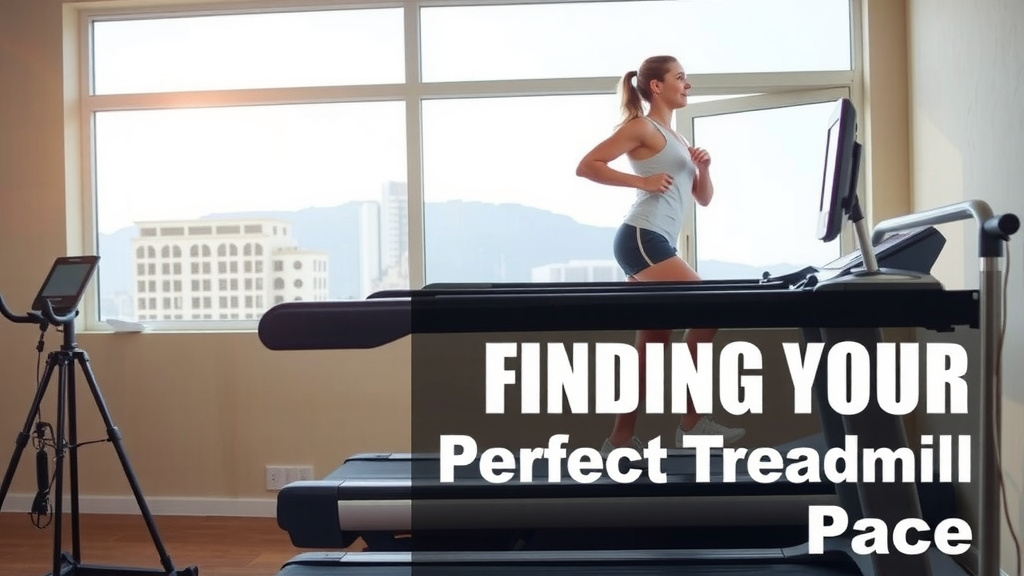
Reading the Treadmill Display: What Do the Numbers Mean?
Treadmill displays typically show speed in miles per hour (mph). Here’s a general guide, but remember your personal fitness level is the ultimate decider:
| Activity | Typical Speed Range (mph) | What it feels like (Talk Test) |
|---|---|---|
| Walking | 2.5 – 4.0 | Easy conversation |
| Brisk Walking / Jogging | 4.0 – 5.5 | Short sentences possible |
| Running (Moderate) | 5.5 – 7.0 | A word or two, then breath |
| Running (Vigorous / Intervals) | 7.0+ | Difficult to speak |
These are just starting points. A recreational runner might find 6.0 mph challenging, while a seasoned athlete might consider it a warm-up. Listen to your body and adjust accordingly. Your body’s feedback is more important than the number on the screen.
Tips for Finding Your Sweet Spot
Let’s get you set up for success on your next treadmill session.
- Start Slow: Always begin with a warm-up at a slower pace, like a brisk walk.
- Gradually Increase: Little by little, increase the speed until you reach your target intensity based on your goals and the talk test.
- Monitor Your Heart Rate: If you have a heart rate monitor, aim for 50-70% of your maximum heart rate for moderate intensity and 70-85% for vigorous intensity. (Mayo Clinic).
- Adjust the Incline: Don’t forget the incline! It adds intensity without increasing impact.
- Listen to Your Body: If you feel pain or excessive fatigue, slow down or stop.
- Consistency Over Intensity: It’s better to run at a sustainable pace consistently than to push too hard and burn out.
Conclusion
Finding your ideal treadmill speed is all about listening to your body and aligning it with your fitness goals. Remember, there’s no one-size-fits-all answer. Whether you’re aiming for general fitness, weight management, or speed improvements, use the talk test and perceived exertion as your guides. Don’t be afraid to adjust your speed and incline, and remember that treadmill running often requires a slightly different pace than outdoor running.
Your next step? Step onto that treadmill with confidence, start at a comfortable pace, and gradually find the speed that challenges you effectively. You’ve got this!
Frequently Asked Questions
How do I know if my treadmill speed is too fast?
If you can’t speak more than one or two words without gasping for air, your speed is likely too fast for your current goal. You should also feel excessive fatigue or discomfort, which are signs to slow down.
Should I adjust my treadmill speed based on incline?
Yes, you should! Increasing the incline makes the workout more challenging. You’ll likely need to decrease your speed slightly when adding incline to maintain a similar effort level, especially for longer runs.
Is it okay to walk on the treadmill instead of running?
Absolutely! Walking is a fantastic way to get exercise, especially for general fitness and recovery. A brisk walk on an incline can be just as effective as a moderate jog for many goals.
How can I make my treadmill workout more challenging without just going faster?
You can increase the incline or incorporate interval training by alternating between higher and lower speeds. Using resistance bands or adding light weights during certain exercises can also boost intensity.
How long should I run on the treadmill for it to be effective?
For general fitness, aim for at least 20-30 minutes at a moderate intensity. For weight management or endurance, you might want to extend your time or incorporate higher intensity intervals, but consistency is key.