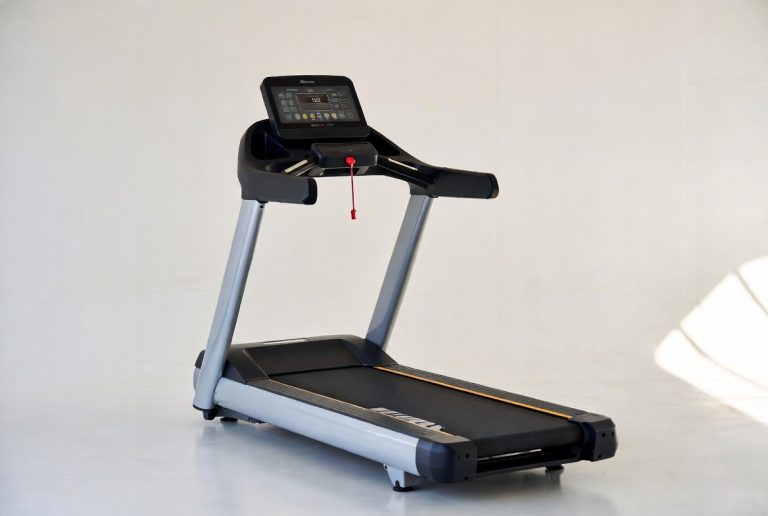

Treadmill 4 Minute Mile Speed: What It Is
Running a 4-minute mile on a treadmill means you’re hitting a speed of 15 miles per hour. This is a blisteringly fast pace that most runners find extremely challenging. It’s the speed of an elite athlete in peak performance.
This incredible speed translates to covering a full mile in just 60 seconds. Achieving this requires exceptional cardiovascular fitness and a very specific stride. Many runners dream of this milestone, but it takes dedicated training and serious grit to get there.
- A 4-minute mile on a treadmill equals 15 mph.
- It’s an elite-level speed.
- Requires top cardiovascular health.
- Dedicated training is key.
So, how do you even get close to this kind of speed on your treadmill? Let’s break down what it takes and how you might approach training for it.
Understanding the Speed of a 4-Minute Mile on a Treadmill
So, you’re curious about what it actually takes to hit that legendary 4-minute mile mark on a treadmill. It’s a pace that sounds almost mythical to many runners, but let’s break down the sheer velocity involved. Hitting a mile in four minutes means your treadmill needs to be set at an astonishing 15 miles per hour. Think about that for a second. That’s not just fast; that’s like keeping pace with a professional cyclist or a car stuck in slow-moving city traffic.
This speed isn’t something you stumble upon by accident. It represents the peak of human athletic performance. Many recreational runners might hit 5 or 6 mph on a comfortable jog. Even a strong runner might sustain 8-10 mph for a mile. Fifteen mph is a whole different ballgame. It’s the kind of speed reserved for elite athletes who have dedicated years to training their bodies for exactly this kind of output. It’s incredibly demanding on your cardiovascular system and your muscles.
The Physiology Behind Elite Speed
What makes someone capable of running at 15 mph? It’s a combination of factors that training can, to some extent, improve. Your body needs to be a finely tuned machine. We’re talking about your heart’s ability to pump blood efficiently, your lungs’ capacity to take in oxygen, and your muscles’ power to generate force repeatedly and rapidly.
Cardiovascular Powerhouse
Your heart rate at this speed would be extremely high, likely pushing towards its maximum. Research indicates that sustained high heart rates are essential for elite performance (CDC). This means your heart muscle has to be incredibly strong and resilient. It needs to deliver oxygenated blood to your working muscles with incredible speed and volume. Your VO2 max, which is the maximum amount of oxygen your body can use during intense exercise, would need to be exceptionally high.
Muscular Strength and Endurance
Running at 15 mph isn’t just about your heart and lungs; it’s about your legs moving at an astonishing rate. This requires immense power and coordination. Your quadriceps, hamstrings, and calves must contract and relax thousands of times in just four minutes. They need both the strength to propel you forward and the endurance to keep going without fatiguing. Many athletes work on plyometric exercises to build this explosive power.
Running Economy Matters
Beyond raw power, there’s the concept of running economy. This is how efficiently your body uses oxygen at a given pace. Elite runners have developed a very efficient stride. Their movements are smooth and economical. They minimize wasted energy. This means their technique is often very good. It’s not just about brute force; it’s about running smart, too. You can think of it like a car’s miles per gallon. A more efficient engine uses less fuel to go the same distance.
What Treadmill Speed Settings Correspond to a 4-Minute Mile?
Let’s get straight to the numbers. You want to run a mile in exactly 4 minutes. How fast does that treadmill belt need to move?
The calculation is straightforward: Speed = Distance / Time Speed = 1 mile / (4 minutes / 60 minutes per hour) Speed = 1 mile / (1/15 hour) Speed = 15 miles per hour
So, to achieve a 4-minute mile, your treadmill needs to be consistently set to 15 mph. This is often the highest setting available on many home treadmills. Commercial gym treadmills might go faster, but 15 mph is already pushing the limits for most machines and runners.
Comparing Treadmill Speed to Outdoor Running
It’s interesting to consider how treadmill running compares to hitting that pace on a track or road. Treadmills offer a controlled environment. You don’t have to fight wind resistance or uneven surfaces. This can make it feel slightly easier, or at least more consistent. Some research suggests that you might need to set a treadmill to about 1% incline to simulate outdoor running conditions due to the lack of air resistance (American College of Sports Medicine). Our guide compares treadmill running vs outdoor running to highlight the differences.
However, running at 15 mph on a treadmill introduces its own unique challenges. The belt is moving under you. You have to sync your stride perfectly with it. Missing a step or a slight miscalculation can lead to a tumble. It requires incredible focus and a very powerful stride. It’s a different kind of mental and physical challenge than running outdoors.

Training to Approach a 4-Minute Mile Pace
For most people, a 4-minute mile is a distant dream. But that doesn’t mean you can’t work towards it or significantly improve your speed. It requires a structured and dedicated training plan. You can’t just hop on the treadmill and expect to hit that pace. You need to build up to it gradually.
Speed Work is Key
The most direct way to improve your mile time is through speed work. This involves running at paces faster than your goal pace for short intervals. Think of it like this: if you want to run a 4-minute mile, you need to practice running segments at 15 mph. That’s why interval training is so effective. You might run 400-meter (quarter-mile) repeats at a faster-than-mile pace, with short recovery periods in between. Our guide to interval training on a treadmill explains how to practice fast intervals.
Building Your Aerobic Base
While speed work is essential, don’t neglect your aerobic base. This is built through consistent, longer runs at a comfortable pace. A strong aerobic foundation ensures your body can sustain effort and recover effectively. Many training plans include longer runs throughout the week to build this endurance. It’s the bedrock upon which your speed is built.
Strength Training for Power
As we discussed, muscular power is vital. Incorporating strength training into your routine can make a huge difference. Focus on exercises that build leg strength and core stability. Squats, lunges, and deadlifts can help. Even bodyweight exercises like jump squats can improve your explosive power. A stronger body can generate more force, leading to faster speeds.
Listen to Your Body
This is perhaps the most important piece of advice. Pushing your body to such extreme speeds comes with risks. Overtraining and injuries are common if you don’t listen to your body. Rest days are not optional; they are when your muscles repair and get stronger. Pay attention to any aches or pains. It’s better to take an extra rest day than to be sidelined with an injury.
Here’s a quick checklist to keep in mind:
- Focus on interval training.
- Build a solid aerobic base.
- Incorporate strength training.
- Prioritize rest and recovery.
- Gradually increase speed and intensity.
- Stay consistent with your training.
Is a 4-Minute Mile on a Treadmill Achievable for You?
The reality is that achieving a 4-minute mile, whether on a treadmill or outdoors, is an extraordinary feat. For most runners, it remains a dream. However, the journey towards that goal can lead to incredible improvements in your fitness. Even shaving 30 seconds off your mile time is a huge accomplishment! The key is to train smart, be patient, and celebrate your progress along the way. Treadmills are fantastic tools for speed work. You can precisely control the pace, making them ideal for practicing those fast intervals needed to get closer to that 15 mph mark.
Conclusion
Hitting a 4-minute mile on your treadmill means you’re running at a blazing 15 mph. This is elite territory, demanding peak cardiovascular health and powerful muscles. While it’s an extraordinary feat, you can make incredible fitness gains by training smart. Focus on interval training and building your aerobic base. Strength training and proper recovery are just as important. Even if you don’t reach the 4-minute mark, the journey toward it will significantly boost your running performance. Consider setting smaller, achievable speed goals on your treadmill and build from there.
Frequently Asked Questions
What is the actual speed for a 4-minute mile?
A 4-minute mile equates to a treadmill speed of 15 miles per hour. This pace requires you to cover each quarter mile in just 60 seconds. It’s a speed that demands significant athletic ability.
Can a regular treadmill handle 15 mph?
Many home treadmills have a maximum speed of 10-12 mph. Reaching 15 mph might require a commercial-grade treadmill found in gyms. Always check your treadmill’s specifications before attempting such high speeds.
Is running 15 mph on a treadmill easier than outdoors?
Treadmills remove wind resistance and uneven terrain, which can make running feel slightly easier. However, you must perfectly synchronize with the moving belt, which presents its own challenge and risk.
How can I safely train for faster treadmill speeds?
Start with shorter intervals at challenging paces, gradually increasing duration and speed. Incorporate strength training for power and listen closely to your body. Never skip rest days; they are vital for muscle repair and preventing injury.
What is the biggest physical demand of running at 15 mph?
The greatest demand is on your cardiovascular system, requiring your heart to pump blood at its maximum capacity. Your leg muscles also face immense strain from the rapid turnover needed to maintain such a high speed.