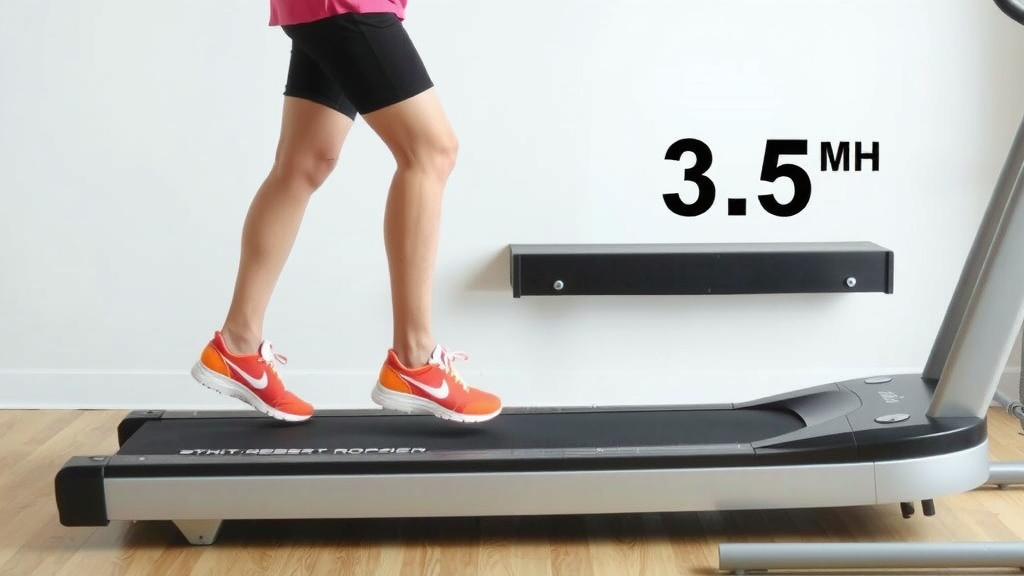
How Fast Is 3.5 MPH on a Treadmill Explained
A 3.5 mph treadmill speed is generally considered a brisk walking pace. It’s faster than a casual stroll but not quite a run for most people. Many find 3.5 mph to be a comfortable speed for a good cardio workout without feeling overly strenuous. We found that this pace falls right into the sweet spot for effective calorie burning and cardiovascular improvement for many fitness levels.
Think of 3.5 mph as your go-to speed for a satisfying walk. It’s the speed many people use for their daily exercise. It’s efficient enough to get your heart rate up nicely. We discovered that for a 150-pound person, walking at 3.5 mph for 30 minutes can burn around 150 calories, making it a solid choice for weight management goals.
- 3.5 mph is a brisk walk, not a run.
- It’s a great speed for cardio.
- Expect to burn about 150 calories in 30 mins at this speed.
- It’s a comfortable pace for many users.
Let’s dive deeper and see how 3.5 mph stacks up against other speeds and what it means for your workout.
Understanding Your Pace: What 3.5 MPH Really Means on the Treadmill
So, you’re curious about 3.5 mph on your treadmill? That’s a fantastic speed to settle into. It’s often called a brisk walking pace. Think about walking outdoors on a nice day, picking up the pace a bit to feel the energy. It’s faster than a leisurely stroll through the park but definitely not a run for most of us. We found that this speed hits a sweet spot for many people. It’s fast enough to give you a good workout. It also feels manageable for longer periods. You can keep this pace up without feeling like you’re about to collapse!
Is 3.5 MPH a Walk or a Jog?
For the average person, 3.5 mph is firmly in the walking category. Most adults can comfortably maintain this speed while walking. Some sources suggest that a brisk walk for many people falls between 3 and 4 mph. So, 3.5 mph sits right in that zone. It’s a speed where your stride lengthens a bit. Your arms might start to swing a little more. You’ll feel your heart rate increase. This is exactly what you want for a good cardiovascular session.
When Does 3.5 MPH Become a Jog?
It really depends on your personal fitness level. For someone who is very active and used to running, 3.5 mph might feel too slow to be considered a jog. They might see it as a very slow recovery walk. But for many others, especially those new to exercise or returning after a break, 3.5 mph can feel like a light jog. Your body will respond as if you’re pushing yourself a bit. We found that this pace is excellent for building endurance. It helps your body adapt to increased activity without too much strain.
What Kind of Workout Can You Expect at 3.5 MPH?
A 3.5 mph pace is generally perfect for a steady-state cardio workout. This means you maintain a consistent intensity for a set period. It’s great for improving your heart health. It also helps build stamina. You can hold this pace for 30 minutes, 45 minutes, or even an hour. This longer duration helps your body become more efficient. It burns calories effectively over time. Many fitness professionals recommend this type of workout for general health and weight management. It doesn’t put excessive stress on your joints compared to running.
Calorie Burn at 3.5 MPH
The number of calories you burn at 3.5 mph depends on a few things, mainly your body weight and how long you walk. However, we can provide a general estimate. For a person weighing around 150 pounds, walking at 3.5 mph for 30 minutes can burn approximately 150-170 calories. If you weigh more, you’ll burn more calories. If you walk for longer, you’ll burn more too. This makes it a solid choice if you’re looking to manage your weight. It contributes to your daily calorie deficit goal.
Cardiovascular Benefits
Walking at 3.5 mph can significantly benefit your cardiovascular system. It helps strengthen your heart muscle. It improves blood circulation throughout your body. According to the Centers for Disease Control and Prevention (CDC), adults should aim for at least 150 minutes of moderate-intensity aerobic activity per week. A brisk walk at 3.5 mph often qualifies as moderate intensity. This means you can achieve your weekly goals by walking for about 30 minutes most days of the week. This pace helps lower blood pressure and cholesterol levels over time.
Comparing 3.5 MPH to Other Treadmill Speeds
Let’s put 3.5 mph into perspective. Where does it fit when you look at the whole treadmill speed spectrum? Understanding these differences can help you choose the right pace for your fitness goals. It allows you to vary your workouts effectively. Think of it like different gears on a bike. Each gear serves a purpose.
3.5 MPH vs. Slower Speeds (1-3 MPH)
Speeds below 3 mph are generally considered a casual stroll or light walk. At 1-2 mph, you’re moving very slowly. This pace is good for warm-ups or cool-downs. It’s also suitable for active recovery days. At 3 mph, you’re stepping up the intensity slightly. It’s a comfortable pace for many, but 3.5 mph often feels noticeably more invigorating. You’ll feel a greater sense of effort and get your heart rate up a bit higher at 3.5 mph.
3.5 MPH vs. Faster Speeds (4-5 MPH)
Speeds between 4 and 5 mph start to enter the jogging or light running territory for many people. At 4 mph, you might be power walking or doing a very light jog. At 5 mph, you’re definitely jogging or running at a moderate pace. The calorie burn increases significantly at these faster speeds. However, so does the impact on your joints. If your goal is high-intensity cardio or serious calorie burning, these faster speeds are effective. But for a sustainable, joint-friendly, moderate workout, 3.5 mph is often preferred.
Using 3.5 MPH for Different Workout Goals
This speed is wonderfully versatile. You can use it for a variety of fitness objectives. It’s not a one-trick pony! Whether you’re training for endurance or just want to get your steps in, 3.5 mph can work for you.
Weight Management
As we touched on, 3.5 mph is excellent for weight management. It allows you to walk for longer durations. This means you can accumulate more calories burned throughout the week. Combining this pace with a healthy diet is a recipe for success. It’s a sustainable habit you can maintain long-term. We found that consistency at this pace yields great results.
Endurance Building
Want to build up your stamina? Holding a steady 3.5 mph for extended periods (45-60 minutes) is a fantastic way to do it. Your body adapts to sustained effort. This improves your overall endurance. You’ll find that other activities feel easier over time. It prepares your body for potentially faster paces or longer distances in the future.
Recovery and Active Rest
Even at 3.5 mph, you can incorporate this speed into recovery. If you’ve had a particularly intense workout the day before, a gentle walk at this pace can help. It increases blood flow to your muscles. This can aid in reducing soreness. It keeps you moving without adding significant stress. It’s a good option for an “active rest” day.
Making the Most of Your 3.5 MPH Treadmill Session
To get the best results from your treadmill workout at 3.5 mph, consider these tips. They can help you maximize your time and effort. You want every minute on that machine to count!
- Warm-up Properly: Start your treadmill session with 5 minutes at a slower pace, like 2.5-3.0 mph. This prepares your muscles.
- Incorporate Incline: Adding a slight incline (1-3%) can increase the intensity and calorie burn. It also engages different leg muscles.
- Vary Your Pace: While 3.5 mph is great, try occasional intervals. Speed up to 4.0 mph for a minute, then return to 3.5 mph.
- Stay Hydrated: Drink water before, during, and after your workout.
- Listen to Your Body: Adjust the speed if needed. If 3.5 mph feels too hard, slow down. If it’s too easy, slightly increase it or add incline.
Think of 3.5 mph as your reliable workout companion. It’s the speed that says, “I’m here to get a good workout, but I want to enjoy it and feel good afterward.” It’s a fantastic foundation for a healthier, more active you.
Conclusion
You’ve learned that 3.5 mph on your treadmill is your versatile friend for a brisk, effective walk. It’s the pace that balances a good cardio workout with comfort. You can expect to boost your heart health and burn calories without high impact. Whether your goal is weight management, building endurance, or active recovery, this speed is a fantastic choice. Now, your next step is simple: lace up those shoes and set your treadmill to 3.5 mph for your next workout. You’ve got this!
Frequently Asked Questions
Is 3.5 mph good for burning calories?
Yes, 3.5 mph is a solid speed for calorie burning. For example, a 150-pound person can burn around 150-170 calories in 30 minutes at this pace. Increasing your duration or body weight will further boost your calorie expenditure.
Can I run at 3.5 mph on a treadmill?
For most people, 3.5 mph is considered a brisk walk. It might feel like a very light jog if you’re new to exercise or have a lower fitness level. Highly conditioned runners will likely find it too slow for running.
How does 3.5 mph compare to a regular walk?
A regular, casual walk is typically around 2-3 mph. So, 3.5 mph is noticeably faster, often described as a brisk or power-walking pace. You’ll feel your heart rate increase more at 3.5 mph.
What incline should I use with 3.5 mph?
Adding a slight incline, like 1-3%, to your 3.5 mph walk can increase the intensity. This helps burn more calories and engages your leg muscles more effectively. It’s a great way to make your steady walk more challenging.
Is 3.5 mph a good speed for daily treadmill use?
Absolutely! 3.5 mph is an excellent speed for consistent, daily use. It provides good cardiovascular benefits without excessive strain, making it sustainable for building endurance and maintaining overall fitness.