
How Fast is 11 mph on a Treadmill
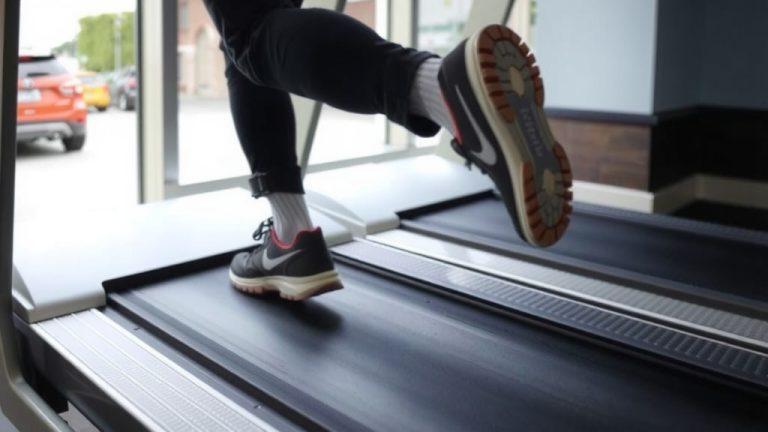
Running at 11 mph on a treadmill is considered very fast, bordering on a sprint for most casual runners. This speed is typically achieved by experienced athletes or sprinters during short bursts of intense training. For context, most people jog or run at speeds between 4-7 mph.
Reaching 11 mph means you’re moving at an incredible pace. It’s much faster than your average 5K race pace for many runners. Maintaining this speed requires considerable explosive power and peak physical conditioning. It’s not a pace you’d hold for more than a minute or two at most.
- 11 mph on a treadmill is extremely fast.
- It’s equivalent to sprinting.
- Most runners use much slower speeds.
- Only highly conditioned athletes sustain this pace briefly.
- It demands significant power and fitness.
Let’s break down what 11 mph really feels like on a treadmill and who might be aiming for this speed.
Understanding Treadmill Speed: What Does 11 MPH Really Mean?
So, you’re curious about 11 mph on a treadmill. That’s a fantastic question! Think of it this way: 11 miles per hour is a pace that most people can’t maintain for very long. It’s faster than a brisk jog and lands firmly in the territory of sprinting. For context, a marathon runner typically finishes at speeds around 10-12 mph, but they’ve trained for years to sustain that pace for over two hours! On a treadmill, 11 mph is a short, explosive burst.
Comparing 11 MPH to Everyday Speeds
Let’s paint a clearer picture. A typical walking pace is around 3 mph. A brisk walk might get you to 4 mph. Most people enjoy a comfortable jog between 4.5 and 6 mph. If you’re a runner, you might push to 7 or 8 mph for a good run. Even competitive runners training for a 5K often aim for paces between 6 and 8 mph. So, 11 mph is truly in a league of its own, demanding serious effort and conditioning.
The Physics of 11 MPH: What’s Happening?
When you set a treadmill to 11 mph, the belt is moving under your feet at a rate of approximately 18.1 feet per second. This speed requires a significant stride length and frequency. Your leg turnover becomes rapid, and each stride needs to be powerful to propel you forward against the moving belt. It’s a full-body effort, engaging your core, arms, and legs intensely.
Who is Running at 11 MPH and Why?
Running at 11 mph on a treadmill isn’t your typical workout. You’re likely to see this speed used by a specific group of athletes for particular training goals. It’s all about performance and specific athletic development.
Elite Athletes and Sprinters
Professional sprinters and elite track athletes often incorporate speeds like 11 mph into their training. They might use it for short interval sprints, typically lasting from 10 to 30 seconds. These intense bursts help build explosive power and improve their top-end speed. For them, it’s a tool to shave milliseconds off their race times (National Strength and Conditioning Association).
Athletes in Power Sports
Athletes who participate in sports requiring explosive movements, like football, basketball, or soccer, might also use this speed. Training at 11 mph can mimic the quick, powerful bursts needed to accelerate on the field or court. It helps develop the kind of quickness and agility that translates directly to their sport’s demands.
High-Intensity Interval Training (HIIT) Enthusiasts
For some very advanced fitness enthusiasts who follow a strict HIIT protocol, 11 mph might be a peak speed for very short intervals. This type of training pushes the cardiovascular system to its limits. However, it’s crucial to have a solid fitness base before attempting such high speeds.
How to Safely Approach 11 MPH on a Treadmill
If you’re aiming for speeds like 11 mph, safety is your absolute number one priority. It’s not a speed to jump into without proper preparation. You need to build up to it gradually.
The Importance of a Gradual Progression
Jumping straight to 11 mph is a recipe for injury. Your body needs time to adapt to higher speeds and impact forces. Most fitness professionals recommend a slow and steady increase in speed. Start by comfortably running at speeds you can maintain, like 6-7 mph. Then, gradually increase your speed by 0.5 mph every week or two as you feel stronger.
Warm-Up and Cool-Down are Non-Negotiable
Before you even think about hitting 11 mph, a thorough warm-up is essential. This includes dynamic stretches and a few minutes of light jogging to get your blood flowing and muscles ready. After any intense sprint, a proper cool-down with static stretching helps prevent muscle soreness and injury. Your body will thank you for this preparation (CDC).
Listen to Your Body: When to Stop
Even if you’re aiming for a specific speed, always pay attention to your body’s signals. If you feel sharp pain, dizziness, or extreme fatigue, it’s time to slow down or stop. Pushing through pain can lead to serious injuries. It’s better to cut a workout short than to be sidelined for weeks.
Considering Your Equipment
Not all treadmills are created equal. Ensure the treadmill you’re using is well-maintained and capable of reaching and handling speeds of 11 mph. Some older or less robust models might struggle or feel unstable at these high speeds. Always use the safety clip, no matter your speed.
What 11 MPH Feels Like: An Analogy
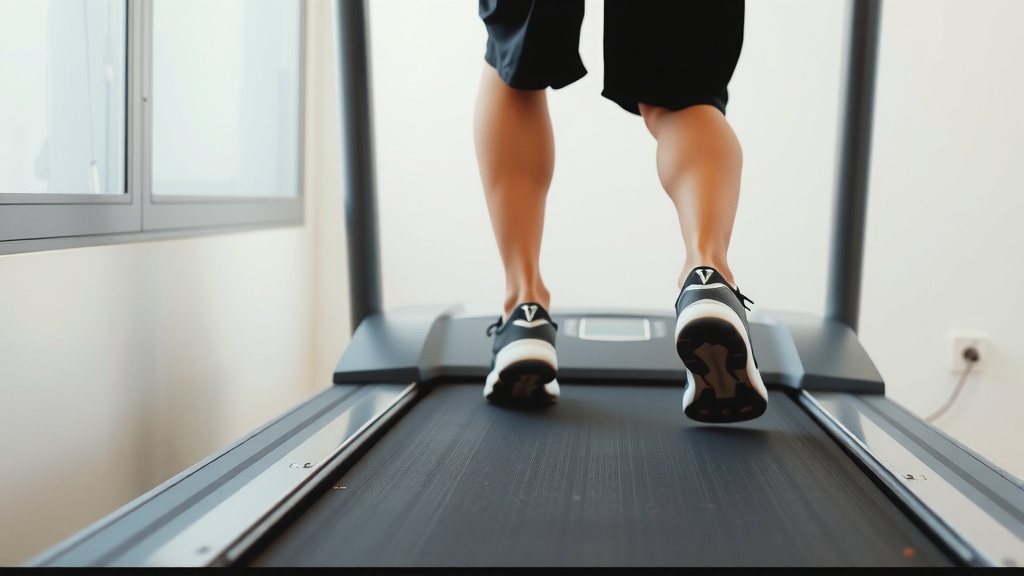
Imagine you’re on a treadmill and the speed clicks up to 11 mph. Suddenly, you’re not just running; you’re flying across the belt. Your legs are a blur, churning beneath you. You need to consciously coordinate your arm swing to help maintain balance and momentum. Your breathing becomes deep and rapid, and your heart rate skyrockets. It’s an all-out effort, a feeling of pure, intense speed that lasts only a short time before you need to slow down.
A Checklist for Approaching High Treadmill Speeds
- Start with a comfortable running pace.
- Gradually increase speed by small increments.
- Always perform a dynamic warm-up.
- Incorporate short bursts at higher speeds.
- Focus on proper form and breathing.
- Listen to your body and stop if needed.
Conclusion
So, 11 mph on a treadmill is a speed reserved for the truly dedicated. It’s the pace of a sprinter, a burst of extreme effort that demands peak physical conditioning. You’ve learned it’s far beyond a casual jog and requires specific training to achieve safely. Remember, consistency and listening to your body are your best allies on your fitness journey. If you’re aiming for this level of intensity, focus on building a solid base, warming up thoroughly, and progressing gradually. Your next step? Incorporate short, controlled bursts of speed into your current routine, always prioritizing form and safety, and gradually increase the duration and intensity.
Frequently Asked Questions
Is 11 mph on a treadmill considered sprinting?
Yes, 11 mph on a treadmill is definitely considered sprinting. It’s a pace that mimics the speed of elite sprinters during short, high-intensity bursts. Most recreational runners will find this speed incredibly challenging to maintain for more than a few seconds.
Can a marathon runner maintain 11 mph for a long time?
While elite marathoners can sustain speeds around 10-12 mph, this is for their entire race, which takes hours. On a treadmill, 11 mph is typically only sustainable for very short intervals, not for endurance running like a marathon.
How can I safely work up to running at 11 mph?
Safely approaching 11 mph requires a gradual build-up. Start by comfortably running at speeds you can maintain, like 6-8 mph, and slowly increase your pace by small increments each week. Always warm up thoroughly and listen to your body, stopping if you feel pain.
What kind of fitness level do you need for 11 mph?
You need a very high level of fitness to run at 11 mph. This speed requires significant explosive power, peak cardiovascular conditioning, and well-developed leg muscles. It’s not a speed for beginners or even intermediate runners.
Is running at 11 mph good for weight loss?
While very high-intensity sprints like 11 mph burn a lot of calories in a short time, they are usually not sustainable for long enough to be the primary driver of weight loss. A balanced approach incorporating moderate-intensity cardio and strength training is generally more effective and sustainable for weight management.