5.8 Treadmill Speed Explained: What it Means for Your Workout
A treadmill speed of 5.8 mph is considered a brisk jog for most people. It’s faster than a fast walk but slower than a full-out run. Many find this speed to be a good balance for an effective cardio workout without being too challenging.
This pace falls into the moderate to vigorous activity zone for many fitness levels. It can feel like a good challenge for someone starting out but might be a warm-up for experienced runners. Understanding what 5.8 mph feels like can help you optimize your treadmill sessions.
- 5.8 mph is a solid, brisk jog.
- It’s a great pace for moderate cardio.
- It’s faster than walking, slower than running.
- Many people use this speed for effective workouts.
Let’s walk through exactly what 5.8 mph on a treadmill means for your workout.
So, you’ve set your treadmill to 5.8 miles per hour. What does that actually mean for your workout? Let’s break down what this speed feels like and how it fits into your fitness routine. It’s a pace that many find incredibly effective without feeling like they’re sprinting.
Understanding Your 5.8 MPH Treadmill Pace
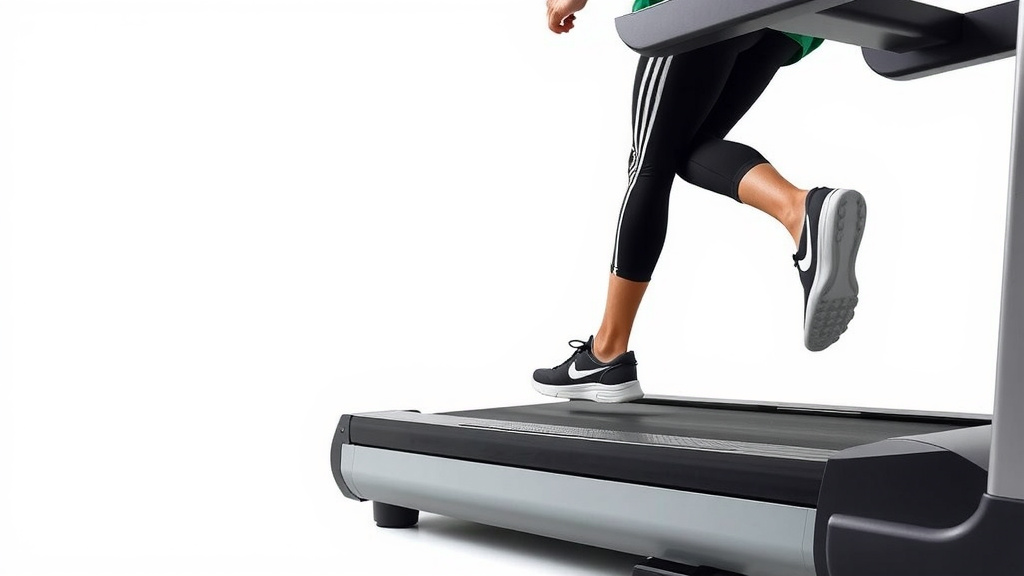
Hitting 5.8 mph on your treadmill is generally considered a brisk jog. Think of it as a pace faster than a quick walk but a notch below what many people would call a full sprint. It’s a speed that gets your heart pumping and lungs working without demanding elite-level endurance. You’re moving at a clip that signals your body to start burning calories effectively and improving cardiovascular health.
What Does 5.8 MPH Feel Like?
For many, 5.8 mph feels like a sustainable, challenging pace. You’ll likely be breathing noticeably heavier than when walking. You might find yourself talking in shorter sentences. Your arms will be moving more purposefully. It’s the kind of speed where you know you’re getting a solid workout. It’s often described as a comfortable discomfort – hard enough to be beneficial, but not so hard that you can only maintain it for a short time.
Pace Comparison: Jog vs. Run
To put it in perspective, a typical brisk walk might be around 3.5 to 4.0 mph. A light jog often starts around 4.5 to 5.0 mph. So, 5.8 mph is definitely in the jogging category. A more serious running pace for many could be anywhere from 6.5 mph to 8.0 mph or even higher. This means 5.8 mph sits comfortably in that sweet spot for moderate-intensity cardio for a lot of people.
Who is 5.8 MPH For?
This speed is quite versatile. We found that it’s a great target for:
- Beginners looking to progress: If you’ve been power walking and want to step up your game, 5.8 mph is an excellent next step.
- Intermediate fitness enthusiasts: For those who regularly exercise, this can be a great pace for steady-state cardio workouts.
- Warm-ups or cool-downs for advanced runners: Serious runners might use 5.8 mph as a warm-up jog before hitting higher speeds or as a recovery pace during intervals.
- Interval training: You might use 5.8 mph for the “work” intervals in a HIIT session, followed by a slower recovery pace.
It’s a pace that requires some effort but is manageable for durations of 20 minutes to an hour, depending on your fitness level. The key is that it challenges your cardiovascular system effectively.
Benefits of Jogging at 5.8 MPH
Why aim for this particular speed? Jogging at 5.8 mph offers a range of health benefits. It’s about finding a pace that’s challenging enough to yield results but sustainable enough to stick with. Many fitness guidelines suggest moderate-intensity exercise is key for overall health, and 5.8 mph often falls right into that zone.
Cardiovascular Health Boost
When you jog at 5.8 mph, your heart rate typically elevates into the moderate to vigorous intensity zone. According to the Centers for Disease Control and Prevention (CDC), moderate-intensity aerobic activity means you can talk but not sing during the activity. Vigorous intensity means you can only say a few words without pausing for breath. 5.8 mph often hits that sweet spot where you’re definitely working, but still able to hold a brief conversation.
Regular workouts at this intensity can strengthen your heart muscle, improve blood circulation, and help lower blood pressure over time. It’s a fantastic way to build endurance and make your heart more efficient.
Calorie Burn and Weight Management
Let’s talk calories! Jogging at 5.8 mph is an efficient way to burn calories. The exact number of calories burned depends on your body weight, metabolism, and the duration of your workout, but it’s significantly more than walking at a slower pace. For a 155-pound person, a 30-minute jog at 5.8 mph can burn roughly 298 calories, compared to about 124 calories for a brisk walk at 4.0 mph (Harvard Health Publishing).
This increased calorie expenditure makes 5.8 mph a great pace for weight management goals. Consistent workouts at this speed, combined with a balanced diet, can contribute to a calorie deficit, helping you lose or maintain weight.
Improved Mood and Mental Well-being
Don’t underestimate the mental perks! Physical activity, especially cardio like jogging, releases endorphins – your body’s natural mood lifters. We found that people who exercise regularly often report lower levels of stress, anxiety, and depression. A 5.8 mph jog can be your daily dose of feel-good chemicals. It’s a great way to clear your head after a long day.

Optimizing Your Treadmill Workout at 5.8 MPH
Simply setting the treadmill to 5.8 mph is a good start, but how can you make the most of it? Here are some tips to ensure your 5.8 mph sessions are effective and enjoyable. It’s all about smart training.
Varying Your Workouts
While a steady 5.8 mph jog is great, mixing things up can prevent plateaus and boredom. Consider these strategies:
- Incline training: Increase the incline on your treadmill while keeping the speed at 5.8 mph. This challenges your leg muscles more and increases calorie burn without needing to run faster. A 1-3% incline often simulates outdoor running conditions.
- Intervals: Alternate between 5.8 mph and a faster or slower pace. For example, jog at 5.8 mph for 3 minutes, then increase to 6.5 mph for 1 minute, and repeat. Or, jog at 5.8 mph for 5 minutes and then drop to a brisk walk (e.g., 4.0 mph) for 2 minutes. This keeps your body guessing and can boost your metabolism.
Duration and Frequency
How long and how often should you jog at 5.8 mph? This depends on your fitness goals and current level. For general health, aiming for at least 150 minutes of moderate-intensity aerobic activity per week is recommended (CDC). This could translate to:
- Five 30-minute sessions at 5.8 mph per week.
- Three 50-minute sessions.
Listen to your body. If you’re new to this pace, start with shorter durations (15-20 minutes) and gradually increase as you feel stronger. Rest days are also important for muscle recovery and preventing injuries.
Cool-Down and Stretching
After your 5.8 mph jog, don’t just jump off! A proper cool-down helps your heart rate return to normal gradually and can aid in muscle recovery. Spend the last 5 minutes of your workout slowing down your pace, perhaps to a brisk walk (3.0-4.0 mph).
Follow this with some static stretching. Focus on major leg muscles like your hamstrings, quadriceps, calves, and glutes. Hold each stretch for 20-30 seconds. This can help maintain flexibility and reduce muscle soreness. Proper preparation and recovery are key to long-term fitness success.
Checklist for Your 5.8 MPH Workout:
- Warm up properly: Start with 5 minutes of brisk walking or light jogging.
- Set your speed: Adjust treadmill to 5.8 mph.
- Maintain good posture: Keep your back straight, shoulders relaxed, and core engaged.
- Listen to your body: Adjust speed or incline if needed.
- Cool down gradually: Slow to a walk in the last 5 minutes.
- Stretch afterwards: Focus on major leg muscles.
Conclusion
You’ve learned that 5.8 mph on a treadmill is a fantastic pace for a brisk jog. It strikes a great balance, offering a solid cardiovascular workout without being overly demanding for most fitness levels. We found it’s a speed that boosts your heart health, helps with calorie burn, and can even improve your mood. Whether you’re starting out or an experienced runner, incorporating 5.8 mph into your routine can help you reach your fitness goals. Your next step? Lace up your shoes and give it a try on your next treadmill session!
Frequently Asked Questions
Is 5.8 mph considered running or jogging?
For most people, 5.8 mph is considered a brisk jog. It’s faster than a fast walk but generally slower than what most would describe as a full run. This pace allows you to get a good workout while still being sustainable for a decent duration.
How many calories can I burn jogging at 5.8 mph?
The exact calorie burn varies based on your weight and workout duration, but research suggests a 30-minute jog at 5.8 mph can burn close to 300 calories for an average person. This makes it an efficient speed for weight management goals.
Can beginners use 5.8 mph on a treadmill?
Yes, beginners can use 5.8 mph as a progression from power walking. Start with shorter durations, perhaps 15-20 minutes, and gradually increase as your stamina improves. It’s a great way to step up your cardio intensity.
How does 5.8 mph compare to outdoor running?
On a treadmill, 5.8 mph is a consistent jog. Outdoors, the same pace might feel slightly easier or harder depending on terrain, wind resistance, and whether you’re running uphill or downhill. Treadmills offer a controlled environment for this pace.
What are the main benefits of jogging at 5.8 mph?
Jogging at 5.8 mph effectively strengthens your heart and improves circulation, contributing to better cardiovascular health. It also significantly increases calorie expenditure compared to walking, aiding in weight management. Plus, the endorphin release can lead to improved mood and reduced stress.