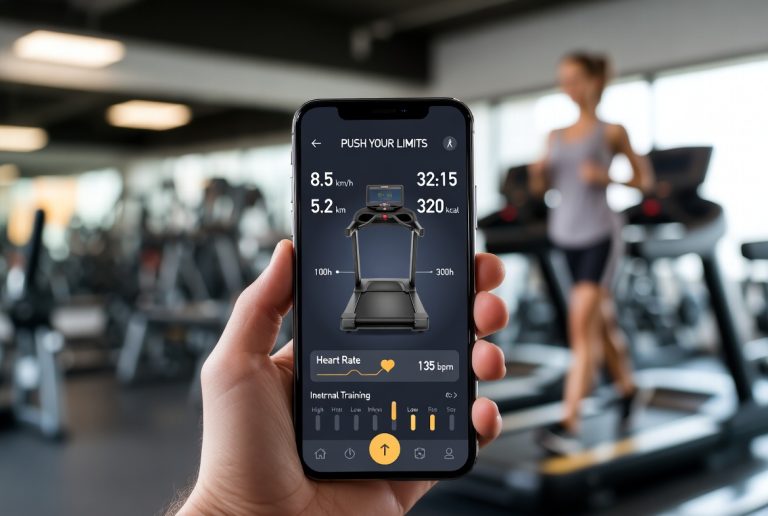
Gym Treadmill Speed: How Fast Do They Actually Go
Most gym treadmills can reach speeds between 10 to 12 miles per hour. Some high-end models might even go a little faster, up to 15 mph. This speed range is usually enough for most users, from casual walkers to serious sprinters. You’ll find that most treadmills are set to top out within this common range.
The speed of a gym treadmill can vary based on its make and model. Cheaper or older machines might have lower maximum speeds. Newer, more advanced treadmills often offer higher top speeds and more settings. It’s good to know what to expect before you hop on for your workout.
- Gym treadmills typically go 10-12 mph.
- Some can reach 15 mph.
- Speed depends on the treadmill’s model.
- Basic models might have lower top speeds.
- Advanced treadmills offer more speed options.
Let’s get into the details about treadmill speeds and what they mean for your fitness routine.
“`htmlUnderstanding Gym Treadmill Speed Capabilities
You might be wondering, how fast do gym treadmills actually go? Most commercial gym treadmills are designed to accommodate a wide range of fitness levels. This means they generally offer a top speed that suits both recreational walkers and serious sprinters.
Typical Speed Ranges for Gym Treadmills
We found that the standard maximum speed you’ll encounter on most gym treadmills is typically between 10 to 12 miles per hour. This range is quite generous. It allows for vigorous running and sprinting for most individuals.
Think about it: 12 mph is a 5-minute mile pace. That’s pretty speedy! If you’re not a professional athlete, you’re unlikely to hit the top speed on a regular basis. It’s there to provide a challenge and variety for those who need it.
Factors Influencing Treadmill Speed
What makes one treadmill go faster than another? Several factors come into play when determining a treadmill’s top speed. It’s not just about hitting a number; it’s about the machine’s engineering and intended use.
Model and Brand Differences
You’ll notice that different brands and models have different speed capabilities. High-end, commercial-grade treadmills found in well-equipped gyms often have higher top speeds than those you might find in a smaller studio or a home gym.
We’ve seen that some premium models can reach speeds of up to 15 miles per hour. These are built for elite athletes or those who specifically train for very high-intensity running. For the average gym-goer, these extra mph might not be necessary, but it’s nice to know they exist.
Motor Power and Durability
The motor power is a huge factor. A more powerful motor can sustain higher speeds for longer periods without overheating or straining. Treadmills designed for intense running need robust motors to handle the demand.
Research suggests that a treadmill motor should ideally be at least 2.5 CHP (continuous horsepower) for walking and jogging. For running, especially at higher speeds, you’ll want to see 3.0 CHP or more. This power directly translates to the machine’s ability to reach and maintain faster speeds reliably.
Age and Maintenance of Equipment
The age and condition of the treadmill also matter. An older machine, even if it was once capable of high speeds, might have degraded components. This can affect its performance. Regular maintenance is key to ensuring any treadmill operates at its peak capabilities.
If a treadmill isn’t properly lubricated or if its belt is worn, it can struggle to reach its maximum advertised speed. Gyms that maintain their equipment well will offer a more consistent and reliable experience, no matter the speed you choose.
What Speed is Right for Your Workout?
Knowing the top speed is one thing, but understanding what speeds are suitable for different types of workouts is another. Your fitness goals will dictate the speed you should aim for.
Speed for Different Exercise Types
Let’s break down typical speeds based on common gym activities. This can help you set realistic goals and choose the right treadmill setting.
Walking Speeds
For a brisk walk, you’ll likely be comfortable between 3 to 4.5 miles per hour. This speed allows you to get your heart rate up without breaking into a run. It’s excellent for warm-ups, cool-downs, or active recovery days.
Jogging and Running Speeds
If you’re jogging, you might aim for speeds between 4.5 to 6 miles per hour. As you increase intensity to a run, speeds typically range from 6 to 8 miles per hour. These are common paces for many runners during cardio workouts.
High-Intensity and Sprinting Speeds
For those who love pushing their limits, speeds of 8 miles per hour and above come into play. This is where you enter the territory of fast running and sprinting. As we mentioned, most treadmills cap out around 10-12 mph, with some going up to 15 mph for those who can handle it.
Considering Incline vs. Speed
It’s important to remember that you can increase workout intensity in two main ways: by increasing speed or by increasing the incline. Many users find that adding incline is a great way to challenge themselves without needing to hit top speeds.
According to exercise guidelines, varying both speed and incline can lead to more balanced muscle engagement and prevent plateaus (National Strength and Conditioning Association). So, don’t feel pressured to always sprint; a steep incline at a moderate pace can be just as effective.
Maximizing Your Treadmill Experience
Now that you have a better idea of treadmill speeds, let’s talk about how you can make the most of your time on the machine.
Using Pre-Set Programs
Most gym treadmills come with built-in workout programs. These programs automatically adjust the speed and incline for you. They are designed to provide variety and target different fitness goals, like interval training or hill climbs. It’s a fantastic way to get a challenging workout without constantly monitoring the controls.
Listening to Your Body
Always pay attention to how your body feels. Pushing yourself too hard, too soon can lead to injury. It’s better to start with a manageable speed and gradually increase it as your fitness improves. Consistency is key, not just speed.
We found that many fitness experts recommend gradually increasing your running distance or speed by no more than 10% per week. This helps your body adapt and reduces the risk of overtraining or injury (American College of Sports Medicine).
Checking Treadmill Specifications
If you have a favorite treadmill at your gym, don’t hesitate to look up its model number. A quick online search can tell you its exact top speed and motor power. This knowledge can help you plan your workouts more effectively and understand the machine’s capabilities.
A Quick Treadmill Speed Checklist
- Confirm the treadmill’s maximum speed.
- Start with a comfortable warm-up speed.
- Gradually increase speed or incline for your workout.
- Utilize pre-set programs for variety.
- Listen to your body; avoid overexertion.
- Focus on consistency for long-term progress.
By understanding the typical speeds and how they relate to your fitness goals, you can confidently step onto any gym treadmill and have a productive, safe, and effective workout.
“`Conclusion
You’ve learned that most gym treadmills offer speeds between 10 to 12 mph, with some reaching up to 15 mph. This range is typically more than enough for most fitness enthusiasts, whether you’re walking, jogging, or sprinting. Remember that motor power and machine maintenance play a big role in performance. Don’t feel pressured to always hit top speeds; varying your workouts with incline can be just as effective. Now that you’re informed, step onto that treadmill with confidence and make your next workout your best one yet!
Frequently Asked Questions
What is the average top speed of a commercial treadmill?
On average, you can expect commercial gym treadmills to go between 10 and 12 miles per hour. Some higher-end models might offer speeds up to 15 mph for those who need an extra challenge.
Can I actually run at 12 mph on a treadmill?
Yes, most treadmills are capable of reaching 12 mph, which is a 5-minute mile pace. However, this speed is very fast and requires a high level of fitness; it’s often more of a challenge than a routine pace for most users.
How does treadmill motor power affect its speed?
A more powerful motor, measured in continuous horsepower (CHP), allows the treadmill to reach and maintain higher speeds more reliably without overheating. For running, especially at faster paces, look for a motor of 3.0 CHP or higher.
Is it better to increase speed or incline for a harder workout?
Both speed and incline increase workout intensity. Increasing incline can challenge your muscles differently and provide a great workout without requiring you to reach top running speeds. Varying both is often recommended for balanced training.
What should I do if a treadmill won’t reach its advertised top speed?
If a treadmill seems slower than it should be, it might need maintenance, such as belt lubrication or adjustment. Older machines may also have reduced performance. If you notice this consistently, inform gym staff about the issue.