How Effective Is Walking on a Treadmill to Lose Weight?
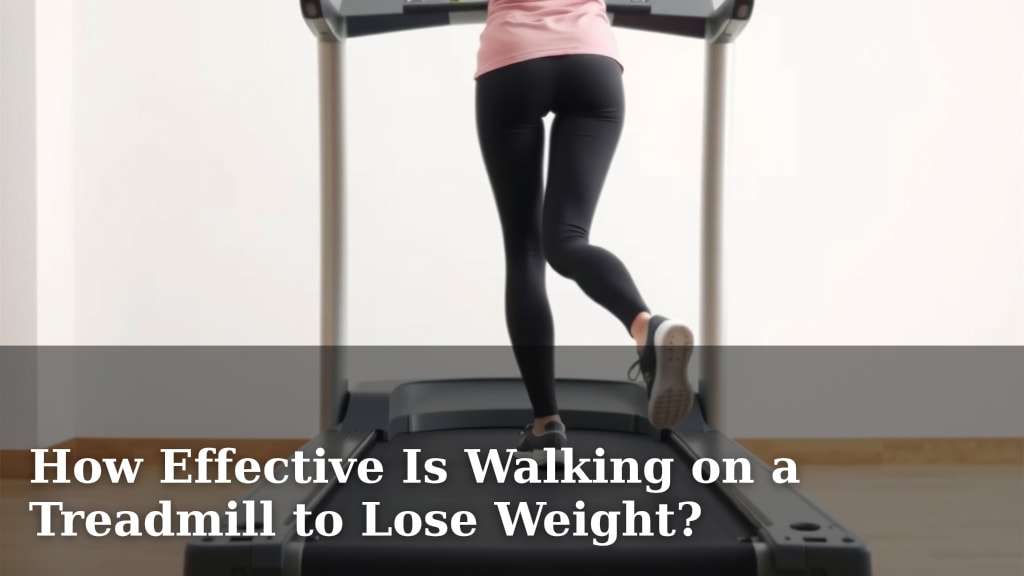
Yes, walking on a treadmill can be very effective for weight loss when you pair it with a healthy diet. It helps you burn calories and build stamina. Many studies show that consistent treadmill workouts contribute to a lower body weight. It’s a fantastic tool to help you reach your fitness goals.
You might be wondering if it’s as good as walking outdoors. Treadmills offer a controlled environment, making it easier to track your progress. You can adjust speed and incline to boost calorie burn. It’s a convenient way to get your steps in, no matter the weather outside.
- Treadmill walking is effective for weight loss when combined with diet.
- It burns calories and improves cardiovascular health.
- You can control workout intensity for better results.
- It offers convenience and consistency.
Let’s get into the details of how treadmill walking can help you shed those extra pounds. We’ll cover what makes it work and how to get the most out of your sessions.
Is Treadmill Walking a Good Way to Lose Weight?
Absolutely! Treadmill walking is a fantastic tool for weight loss. It burns calories and helps build your endurance. Research consistently shows that regular treadmill use contributes to a healthier body weight. It’s a convenient and controlled way to get moving and reach your fitness goals.
Think of your treadmill as your personal, weather-proof gym. You have complete control over your workout. This makes it easier to track progress and ensure you’re challenging yourself. Let’s dive into why this simple exercise can be so effective.
How Treadmill Walking Burns Calories
The core of weight loss is creating a calorie deficit. This means you burn more calories than you consume. Treadmill walking directly helps with this by burning calories during your workout. The number of calories you burn depends on a few key factors.
Factors Affecting Calorie Burn
Your body weight is a big one. Heavier individuals generally burn more calories doing the same activity. This is because it takes more energy to move a larger mass. But don’t let that discourage you. Even at a lower weight, consistent effort adds up significantly.
Then there’s the intensity of your walk. Speed and incline play a huge role. A faster pace burns more calories. Adding an incline is like walking uphill, which really ramps up the calorie burn. It also engages different leg muscles more effectively.
Speed and Incline: Your Calorie-Burning Tools
Let’s look at how these elements work together. Walking at a brisk pace (around 3-4 mph) can burn a good amount of calories. If you add a 5% incline, you can significantly boost that number. It’s like turning a casual stroll into a mini-hike.
We found that many people underestimate the impact of incline. Research from the American Council on Exercise suggests that increasing the incline can increase calorie expenditure by up to 10 times. So, don’t be afraid to crank it up!
Building a Consistent Treadmill Routine
For weight loss, consistency is king. You need to make treadmill walking a regular part of your life. Aim for at least 150 minutes of moderate-intensity aerobic activity per week. That’s about 30 minutes, five days a week (CDC).
Setting Realistic Goals
Start where you are. If you’re new to exercise, begin with shorter, less intense walks. Maybe 20 minutes, 3 times a week. As you get fitter, gradually increase the duration and intensity. Listen to your body; don’t push too hard too soon.
It’s easy to get discouraged if you aim too high initially. Celebrate small victories! Completing a 30-minute walk when you could only do 10 before is a huge win. Keep that momentum going.
Tracking Your Progress for Motivation
Most treadmills have built-in consoles that track your distance, time, speed, and calories burned. Use this data! Seeing your progress can be incredibly motivating. You can also use fitness trackers or apps to log your workouts.
Maybe you started burning 200 calories per session. After a few weeks, you might find you’re burning 250 calories for the same workout. That means your body is becoming more efficient, and you’re getting fitter. This is a sign you’re on the right track!
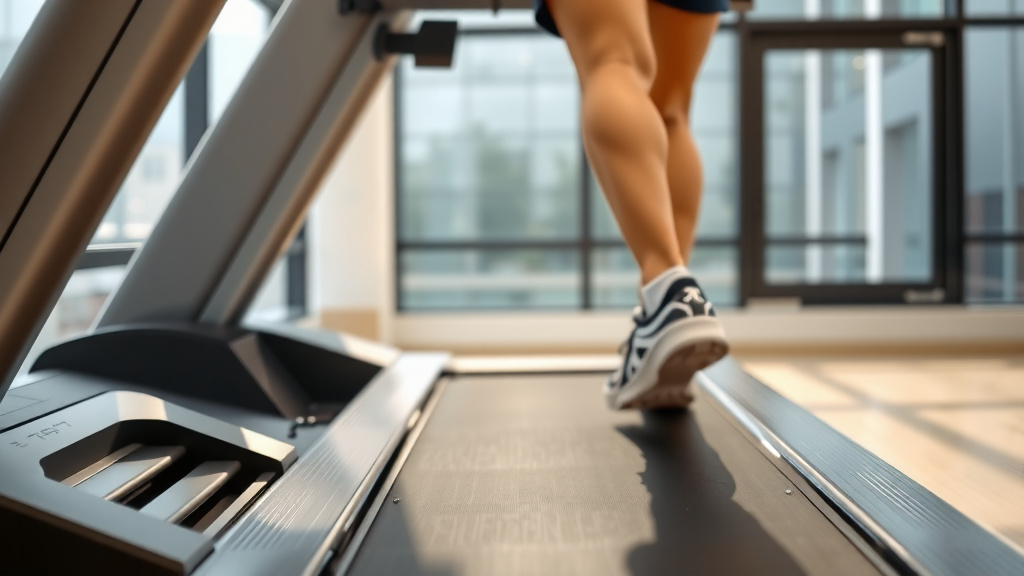
Making Your Treadmill Workouts More Effective
To maximize your weight loss results, you need to challenge your body. Your body adapts to exercise over time. If you do the same routine every day, your calorie burn will eventually plateau.
Varying Your Workouts
Switch things up to keep your body guessing. Try interval training. This involves alternating between periods of high intensity (faster pace or steeper incline) and lower intensity recovery periods. For example, walk fast for 1 minute, then walk at a moderate pace for 2 minutes, and repeat.
You can also change your routine daily or weekly. One day might be a long, steady-state walk. Another day could focus on hills (incline). This prevents boredom and keeps your metabolism humming.
Combining Treadmill Walking with Diet and Strength Training
While treadmill walking is great, it’s most effective when part of a larger plan. Diet plays a massive role in weight loss. You can’t out-walk a bad diet. Focus on whole foods and portion control.
Incorporating strength training is also beneficial. Building muscle mass increases your resting metabolic rate. This means you burn more calories even when you’re not exercising. Think of muscle as your body’s calorie-burning engine.
Here’s a quick checklist to get the most out of your treadmill walks:
- Set a consistent schedule for your walks.
- Gradually increase your speed and incline.
- Incorporate interval training for a calorie-burning boost.
- Stay hydrated before, during, and after your workout.
- Pair your treadmill routine with a balanced, healthy diet.
- Consider adding strength training sessions 2-3 times a week.
Using a treadmill for weight loss is a smart, accessible choice. By understanding how it works and applying these strategies, you can effectively reach your goals.
Conclusion
You’ve learned that treadmill walking is a powerful tool for weight loss. It’s effective because it burns calories and builds your fitness. Remember, consistency is key. Setting realistic goals and tracking your progress will keep you motivated. Don’t forget to vary your workouts and pair them with a healthy diet and strength training. Your next step is to schedule your first treadmill session this week and start building your momentum!
Frequently Asked Questions
How many calories can you burn walking on a treadmill?
The number of calories you burn varies greatly based on your body weight, speed, and incline. A general estimate for a 155-pound person walking at 3.5 mph for 30 minutes is around 150-200 calories. Increasing speed or incline will significantly boost that number.
Is walking on a treadmill better than walking outside for weight loss?
Both are effective, but treadmills offer more control. You can precisely manage speed and incline to maximize calorie burn and track your progress consistently. Outdoor walking offers fresh air and varied terrain, but weather and distractions can impact workout consistency.
Can you lose weight just by walking on a treadmill every day?
While daily treadmill walking burns calories, weight loss also requires attention to your diet. You need to create a calorie deficit, meaning you burn more calories than you consume. Combining consistent walks with a balanced diet yields the best results.
How long should I walk on the treadmill to see weight loss results?
Aim for at least 150 minutes of moderate-intensity walking per week, which is about 30 minutes, five days a week. You should start to notice changes within a few weeks if you maintain consistency and pair it with healthy eating habits.
What’s the best treadmill speed and incline for weight loss?
There isn’t a single “best” setting, as it depends on your fitness level. Generally, a brisk pace (3-4 mph) combined with a 5-10% incline can significantly increase calorie burn. Listen to your body and gradually increase intensity as you get fitter.