
How Does Incline Treadmill Burn Fat?
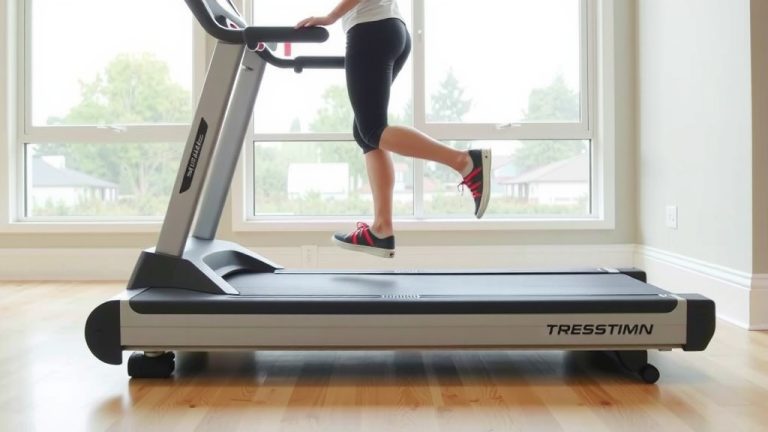
Yes, an incline treadmill can absolutely help you burn more fat. By tilting the belt, you recruit more muscles, especially in your glutes and hamstrings. This increased muscle activation means your body has to work harder, burning more calories in the same amount of time. It’s a fantastic way to boost your fat-burning potential!
Think of it like walking or running uphill in real life. Your body uses more energy to overcome gravity. Studies and fitness experts agree that the added incline significantly ramps up your calorie expenditure. This makes your cardio sessions more efficient for weight loss goals.
- Incline treadmill workouts burn more calories.
- More muscle activation means higher energy use.
- It’s like walking or running uphill outdoors.
- This boosts your overall fat-burning efforts.
Let’s walk through exactly how that incline does its magic and why it’s so effective for fat loss.
You’re curious about how tilting that treadmill belt can make a real difference in your fat-burning efforts. It’s a fantastic question, and the answer lies in how your body works! When you incline the treadmill, you’re essentially asking your muscles to work harder against gravity. This increased effort burns more calories and fat.
Why Incline Training Boosts Fat Burn
So, how exactly does adding an incline to your treadmill workout turn up the fat-burning furnace? It’s all about making your body work harder. When you’re on a flat surface, your muscles perform a certain amount of work. Introduce an incline, and suddenly, you’re engaging more muscles and demanding more energy from your body.
Muscle Activation and Energy Expenditure
When you walk or run on an incline, your body automatically recruits more muscle fibers. Think about walking up a hill versus walking on flat ground. Your glutes, hamstrings, and even your calves have to work much harder to propel you forward and upward. This increased muscle activation is a key player in burning more calories. More active muscles mean your body needs more fuel, and that fuel often comes from stored fat.
Research supports this. Studies have shown that even a moderate incline can significantly increase your calorie expenditure compared to a flat surface at the same speed. For example, one study found that walking at a 4% incline burned about 10% more calories than walking on a level surface (NCBI). This means you can get a more efficient workout in less time, which is great for busy schedules.
The Physics of Inclines: Working Against Gravity
Let’s break down the science a bit. Gravity is always pulling us down. On a flat treadmill, you’re mostly just moving your legs forward. When you add an incline, you’re working directly against that downward pull. You have to lift your body weight higher with each step. This requires more muscular effort and, consequently, more energy. It’s like the difference between pushing a box across a flat floor and pushing it up a ramp.
The steeper the incline, the harder your muscles have to work to overcome gravity. This means that adjusting the incline is a powerful way to control the intensity of your workout without necessarily increasing your speed. You can walk at a comfortable pace but still get a tough workout.
Targeting Specific Muscle Groups for Fat Loss
While incline training is great for overall calorie burn, it also has a particular knack for targeting certain muscles. This can lead to more effective fat loss in those areas and improved muscle tone.
Your Glutes and Hamstrings Get a Workout
When you’re on an incline, your hamstrings and glutes become your powerhouse muscles. They work overtime to extend your hips and pull your legs behind you. This is similar to exercises like lunges or squats. The added engagement means these muscles burn more fuel. Over time, this can contribute to toning and strengthening these areas, which are common spots for fat storage.
Calf and Quadriceps Engagement
Don’t forget your lower legs! Your calves work harder to push off the belt with each step, especially as you move through the stride. Your quadriceps, on the front of your thighs, also engage more to help lift your leg and absorb the impact. This all-around lower body activation contributes to a higher metabolic rate during your workout.
Incline Treadmill vs. Other Cardio for Fat Loss
You might be wondering how incline treadmill workouts stack up against other popular cardio options when it comes to burning fat. The great news is that incline training offers some unique advantages.
Increased Calorie Burn in Less Time
Compared to steady-state cardio on a flat surface, incline walking or running can burn significantly more calories in the same amount of time. For instance, marching at a 10-15% incline can burn calories at a rate similar to running at a moderate pace on a flat surface (Cleveland Clinic). This makes it a highly time-efficient way to boost your fat loss goals. You get more bang for your buck workout-wise.
Low-Impact, High-Calorie Burn Potential
One of the best parts about incline treadmill training is that it can be surprisingly low-impact, especially incline walking. By controlling your speed and incline, you can reduce the jarring impact on your joints that often comes with higher-impact activities like running on a flat surface. This makes it a great option for people looking to minimize joint stress while still maximizing their calorie expenditure.
Here’s a quick look at how incline walking can compare:
| Activity | Estimated Calorie Burn (per 30 mins, 150 lb person) |
|---|---|
| Walking (3.5 mph, flat) | ~140 calories |
| Walking (3.5 mph, 10% incline) | ~250 calories |
| Running (6 mph, flat) | ~350 calories |
| Incline Walking (3.5 mph, 15% incline) | ~300+ calories (can vary) |
*(Note: Calorie burn can vary based on individual factors like weight, metabolism, and exact intensity.)*
As you can see, a brisk walk on a steep incline can rival the calorie burn of running!
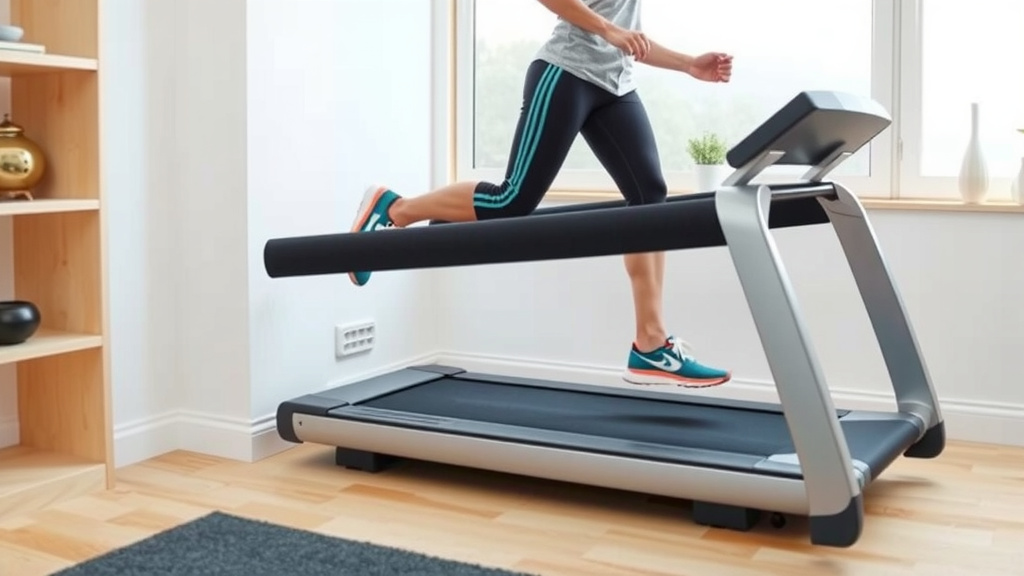
Making the Most of Your Incline Workouts
Ready to put this knowledge to work? Here’s how you can get the most fat-burning benefits from your incline treadmill sessions.
- Start gradually: Don’t jump to a 15% incline right away. Begin with a lower incline and shorter durations, gradually increasing as you get fitter.
- Listen to your body: Pay attention to how you feel. If you experience any pain, ease off the incline or intensity.
- Focus on form: Keep your posture upright, engage your core, and avoid leaning too far forward or holding onto the handrails excessively.
- Mix it up: Vary your incline levels and speeds throughout your workout for a more dynamic training session.
- Be consistent: Regular workouts are key to seeing results. Aim for several incline sessions per week.
Conclusion
You’ve learned how adding incline to your treadmill workouts significantly boosts fat burn. By activating more muscles in your legs and glutes, you increase your calorie expenditure, much like climbing a real hill. This means you can achieve more fat loss in less time and with less impact on your joints compared to running flat. Ready to see these benefits for yourself? Start incorporating incline training into your routine a few times a week, gradually increasing the incline and duration as you feel stronger. Your body will thank you for the efficient, effective workout!
Frequently Asked Questions
How much incline should I use to burn more fat?
Research suggests that even a modest incline of 4-10% can increase calorie burn. For a more significant fat-burning effect, aim for inclines between 10-15% if your body allows. Start lower and gradually increase the incline as you build strength and endurance.
Can I do incline treadmill workouts every day?
While incline workouts are effective, daily intense sessions might be too much for your muscles and joints. It’s often better to incorporate incline training 3-4 times a week, allowing for rest days. Listen to your body to prevent overtraining and injury.
Is incline walking better than incline running for fat loss?
Both can be very effective, but incline walking is often more accessible and lower impact. It can burn a comparable amount of calories to running on a flat surface. If you’re new to incline training or have joint concerns, start with incline walking.
How long does it take to see results from incline treadmill training?
Consistency is key. You might start noticing changes within a few weeks, but significant fat loss typically takes a consistent effort over several months. Combining incline training with a healthy diet will yield the best results.
Can incline training help reduce belly fat specifically?
Spot reduction of fat is a myth; you can’t choose where your body loses fat. However, incline training increases your overall calorie burn, which contributes to total body fat loss. As you lose fat overall, you’ll likely see a reduction in belly fat too.
One Comment